
Owner Explainer: How Tesla Scheduled Departure, Charging and Preconditioning Work
Owner Explainer · Current Tesla Primary Documentation
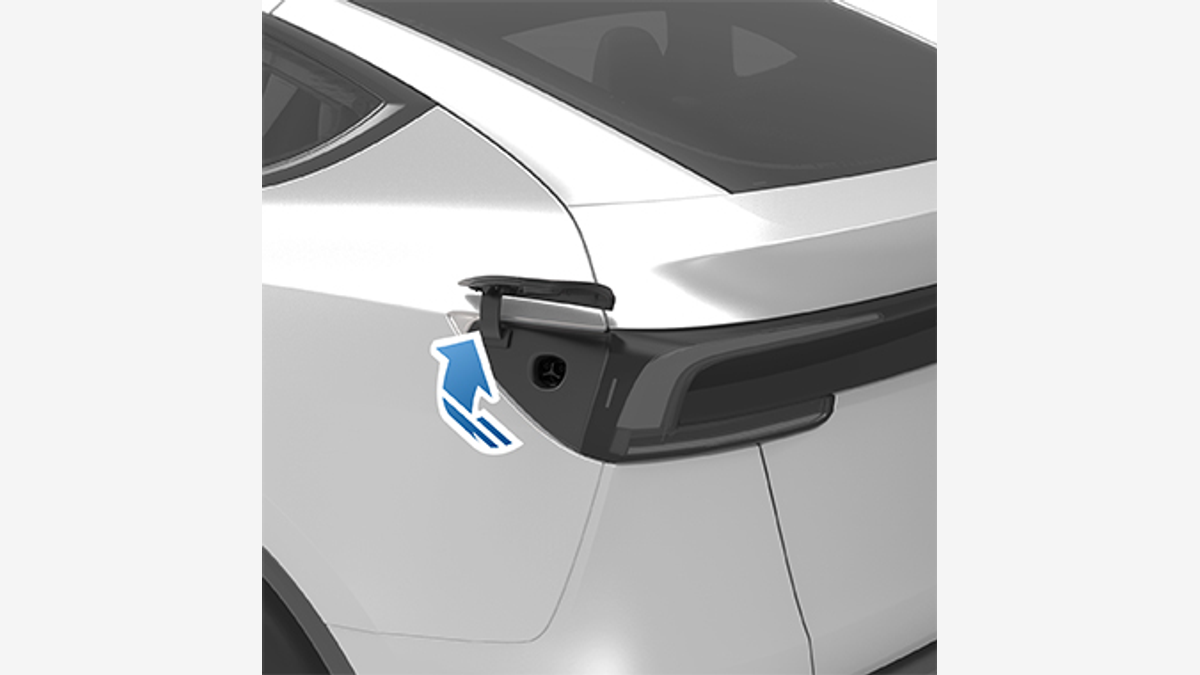
Use Start at when you want charging to begin at a fixed time, End by when you want the car to calculate a finish near departure, and Precondition when you want the cabin and battery prepared for that departure. Tesla says scheduled charging does not control Superchargers.
30-Second Brief
- This Owner Explainer is dated September 9, 2026 in America/Los_Angeles. It summarizes current Tesla manuals and is not presented as a new feature announcement.
- Schedules can be tied to the car’s current location or saved Home and Work locations.
- Start at fixes the beginning; End by lets the vehicle calculate when charging must begin.
- Precondition prepares the cabin and battery by the departure time, including while unplugged when the vehicle is not in Low Power Mode.
- Scheduled charging is ignored at fast chargers, including Tesla Superchargers.
What Happened
Tesla’s current Model 3 and Model Y manuals separate three controls that owners often mix together: a charging start time, a charging completion target and a departure preconditioning time. The useful setup depends on whether the goal is a utility-rate window, a ready-by deadline or cabin-and-battery preparation.
This article enters Tesstudio’s mandatory fallback ladder after 14 complete no-publication hours with one Tesla News post on the Los Angeles day. No same-window candidate met the normal new-fact threshold, so the workflow expanded to a current, evidence-based owner topic without weakening source gates.
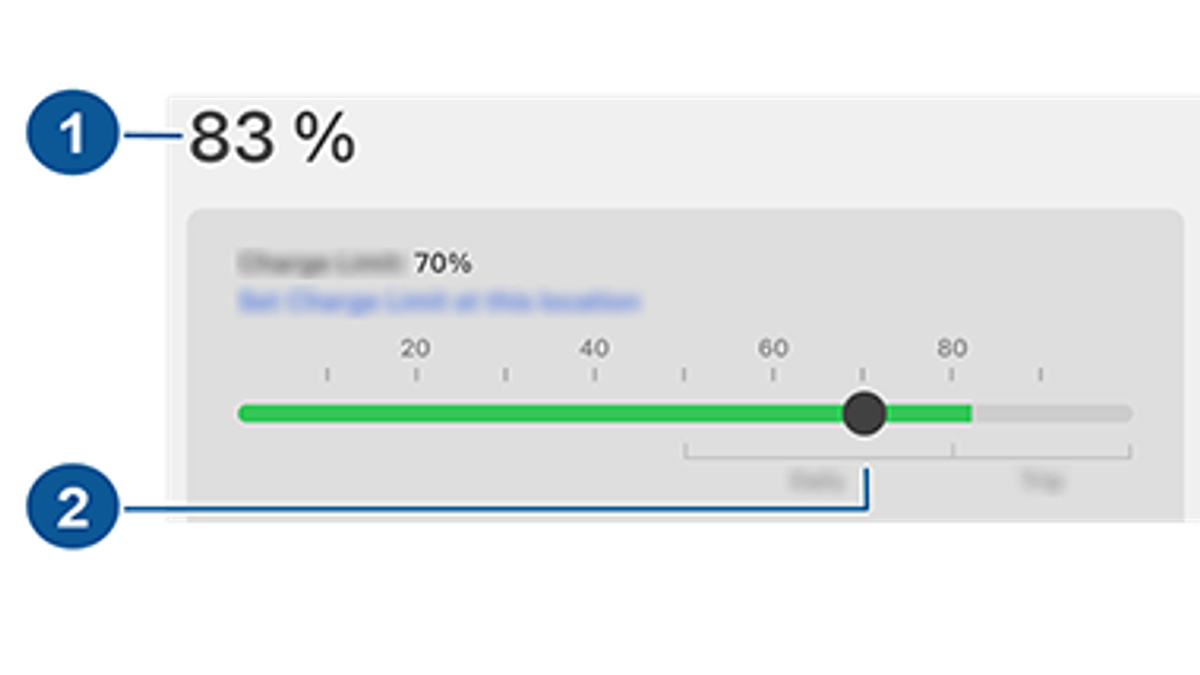
What Is Confirmed
- Location matters: Tesla lets owners create schedules for the current location or saved Home and Work locations. A Current Location schedule only applies when the car returns to that approximate place.
- Start at: with no End by time, the vehicle begins at the selected time and continues until the charge limit is reached.
- End by: with no Start at time, the vehicle briefly draws power after plug-in to estimate how long it needs, then chooses a start time that targets the selected finish.
- Immediate starts can be normal: Tesla lists exceptions, including insufficient time to reach the limit, plugging in during an active window or the next schedule being more than 18 hours away.
- Precondition is separate: it prepares the cabin and battery for departure. Without a precondition schedule, Tesla says the battery only warms before charging when it is too cold to charge, and the cabin is not prepared.
- Fast chargers are excluded: charging schedules are ignored at Tesla Superchargers and other fast chargers.
What Remains Unconfirmed
A schedule does not guarantee lower electricity cost. Savings depend on the utility tariff, demand charges, taxes and whether the selected window actually matches the bill’s off-peak period. Tesla’s recommendation to finish near departure can reduce reheating energy, but it does not promise a specific range or efficiency gain.
Menus, app behavior and feature availability can differ by vehicle, software and market. Owners should use the live in-car manual for their exact vehicle. Departure preconditioning also should not be confused with navigation-triggered preparation before DC fast charging.
Why It Matters
A fixed start time is simple, but it can finish hours before departure. End by gives the vehicle room to calculate a later start so the battery is closer to ready when the trip begins. Tesla recommends that approach even where off-peak pricing is not relevant because an early-finished battery can cool and require energy to warm again.
In cold weather, scheduled preconditioning can also reduce the temporary limits owners see on regenerative braking, acceleration and charging. The benefit is preparation—not a promise that weather no longer affects the vehicle.
What Tesla Owners Should Know
- Pick the real objective. Use Start at for a tariff opening time, End by for a departure deadline and Precondition for cabin-and-battery readiness.
- Set the correct location. Confirm Home, Work or Current Location. A schedule saved at one place is not a universal timer.
- Leave enough charging time. If the car cannot meet an End by target inside the available window, it may begin immediately.
- Enable Repeat Weekly when needed. Tesla says a non-repeating schedule runs once and then disables itself.
- Keep the car plugged in when practical. This lets scheduled preparation use wall power and preserves battery energy for the drive.
- Do not expect it at a Supercharger. Route to the fast charger in navigation for charging-related battery preparation.
- Verify the live state. Check the app or touchscreen after setup, especially after travel, daylight-saving changes or software updates.
Tesstudio Analysis
The most robust default for an overnight home charge is often an End by time close to departure plus a matching Precondition schedule. That combination gives the car responsibility for the charging start and the preparation start while keeping the owner focused on the time the vehicle needs to be ready.
Owners should still compare the schedule against the actual utility tariff. If a strict off-peak window matters more than departure readiness, use Start at and End by together only after confirming there is enough time to reach the intended charge limit.
Related Tesla News Resources
For road-trip charging, see Tesstudio’s Trip Planner explainer and Supercharger preconditioning explainer. No Related Gear module is included because this documentation does not establish an accessory need.
Sources & Reporting Notes
- Tesla Model Y Owner Manual: Scheduled Precondition and Charge — primary source for location rules, Start at, End by, immediate-start exceptions, fast-charger exclusion and departure preconditioning.
- Tesla Model 3 Owner Manual: Scheduled Precondition and Charge — primary model-specific corroboration.
- Tesla Model Y Owner Manual: Getting Maximum Range — primary source for plugged-in preconditioning and range-efficiency context.
- Tesla Model Y Owner Manual: Cold Weather Best Practices — primary source for cold-battery limitations and scheduled preparation.
Reporting note: Direct Tesla HTML requests can return access restrictions, so current indexed manual text was reviewed and official Model 3 and Model Y PDF manuals were downloaded and signature-checked before publication. The two article images are Tesla owner-manual illustrations. Company instructions are presented as Tesla guidance, not independent efficiency testing.
Update & Correction Log
September 9, 2026: Initial Owner Explainer, published in mandatory fallback mode after 14 complete no-publication hours and with one Tesla News post on the America/Los_Angeles day.


Leave a comment
This site is protected by hCaptcha and the hCaptcha Privacy Policy and Terms of Service apply.