
Owner Explainer: Tesla Cold Tire Pressure and TPMS Warnings
Owner Explainer · Tesla + NHTSA Primary Sources
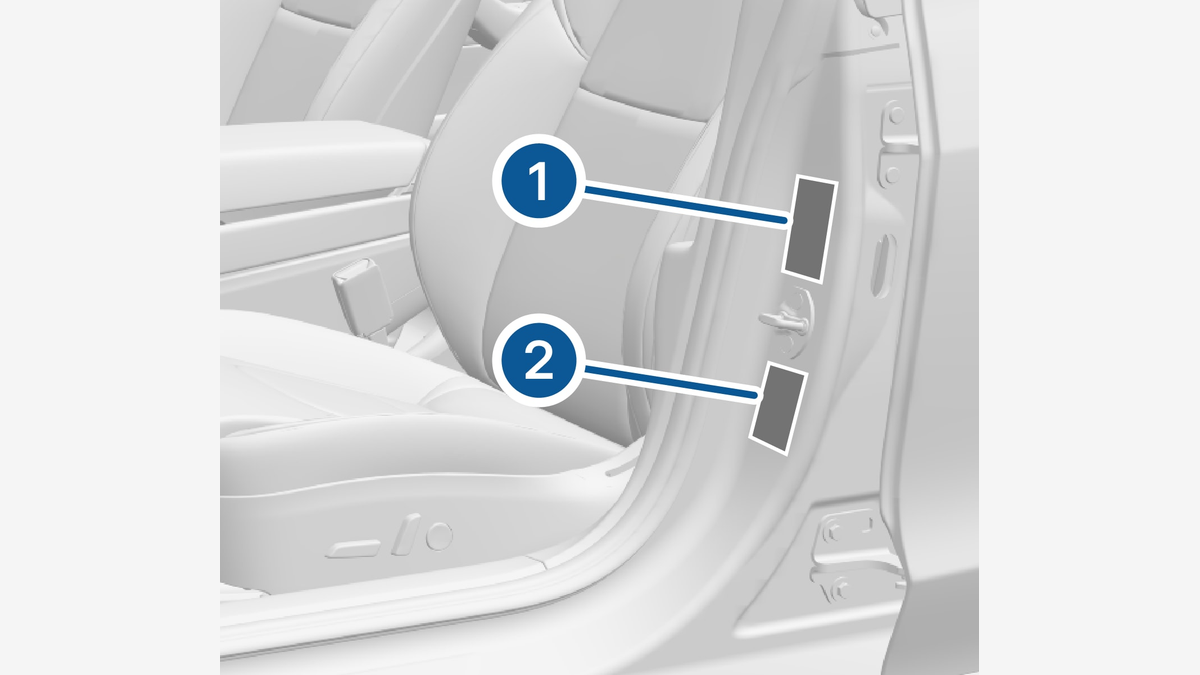
For Tesla cold tire pressure, use the driver-door-pillar label after the car has been stationary for over three hours. A solid Tesla TPMS warning means check the tires promptly; a light that flashes for approximately one minute and then stays on points to a monitoring-system fault. TPMS is not a substitute for a gauge and monthly checks.
30-Second Brief
- This clearly dated Owner Explainer was published October 7, 2026 in America/Los_Angeles under the mandatory fallback ladder; it is not a claim that Tesla announced a new feature today.
- Use the Tire and Loading Information label on the driver-side center door pillar for the recommended cold pressure. Do not assume every Tesla uses the same PSI.
- Tesla says “cold” means the vehicle has been stationary for over three hours, and even about one mile of driving can warm the tires enough to affect readings.
- Direct TPMS shows individual pressure values; indirect TPMS estimates pressure loss and may require manual calibration after pressure or tire changes.
- Tesla and NHTSA both warn that TPMS does not replace regular manual pressure checks.
What Happened
Current Tesla Model Y documentation distinguishes direct TPMS, which uses wheel sensors and displays pressure values, from indirect TPMS, which estimates pressure loss from vehicle data and warns only after underinflation is detected. Tesla also defines the correct cold-pressure workflow and separates a low-pressure warning from a TPMS malfunction.
Recent owner questions continue to mix generic PSI numbers, warm-tire readings, direct sensors and indirect calibration. Those community posts were used only as an interest signal. All factual guidance below comes from Tesla and NHTSA primary documentation.
What Is Confirmed
- Vehicle-specific target: Tesla says to inflate to the pressure on the Tire and Loading Information label, even if the number differs from the tire sidewall.
- Cold measurement: Tesla instructs owners to check with an accurate gauge when the vehicle has been stationary for over three hours.
- Temperature matters: Tesla says pressure drops approximately one PSI for every 10° F (6° C) decrease in outside temperature.
- Direct versus indirect: direct TPMS uses wheel sensors and can show per-tire values; indirect TPMS estimates pressure loss and needs manual calibration after pressure adjustment, repair, replacement or rotation.
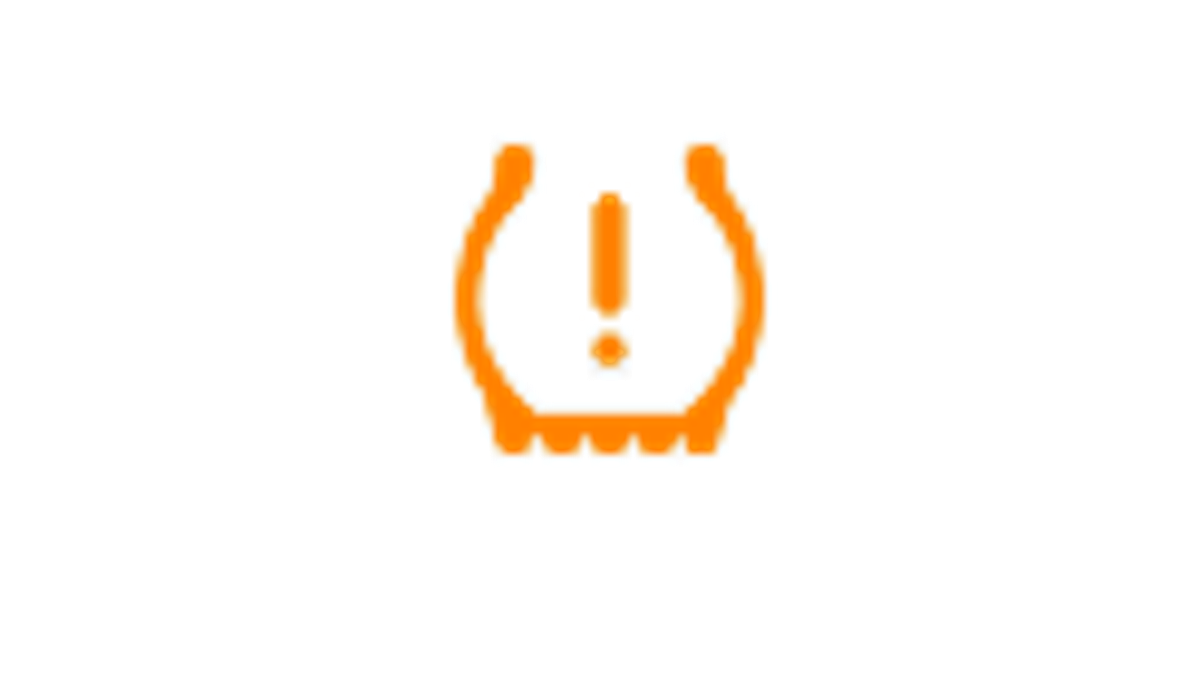
- Solid warning: stop and check the tires as soon as practical, then inflate to the proper cold pressure if the tire is otherwise safe.
- Flashing warning: a light that flashes for one minute at power-on and then remains illuminated indicates a TPMS malfunction; Tesla directs owners to schedule service.
- Manual checks remain required: TPMS is not a substitute for proper maintenance, and NHTSA recommends checking pressure monthly.
What Remains Unconfirmed
No single pressure number applies to every Tesla configuration. Wheel size, tire specification, load, towing setup, market and vehicle label can change the correct target. This article therefore does not prescribe a universal PSI.
A warning cannot diagnose whether the cause is seasonal temperature change, a puncture, valve leak, damaged wheel, faulty sensor, incompatible wheel or another condition. A disappearing light also does not prove that a damaged tire is safe.
Why It Matters
Underinflation increases heat and can affect tire life, handling, stopping and range. Tesla notes that warm tires can read higher, so releasing air from a warm tire merely to match the cold label can leave it dangerously underinflated when it cools.
Understanding direct and indirect TPMS also prevents the wrong reset advice. Some vehicles show per-tire values; others estimate pressure loss. Calibration steps apply to the indirect system and must begin only after all four tires are set to the recommended cold pressure.
What Tesla Owners Should Know
- Read the vehicle label. Open the driver door and record the cold pressures listed for the installed configuration.
- Measure cold. Use an accurate gauge after the car has been stationary for over three hours.
- Inspect before inflating. Look for punctures, cuts, bulges, sidewall damage or a visibly low tire. Do not drive on a damaged tire.
- Adjust and recheck. Add or remove air to the label value, then verify again with the gauge and reinstall the valve cap.
- Know the system type. In Controls > Service, individual PSI values indicate direct TPMS; a warning-only display points to indirect TPMS.
- Calibrate only when applicable. For indirect TPMS, follow the model-specific Tesla menu after all tires are correctly set; monitoring is inactive during relearning.
- Treat flashing as a fault. If the indicator flashes for about one minute and remains on, schedule Tesla service rather than assuming pressure alone will clear it.
- Escalate rapid loss. If pressure falls again quickly, the vehicle pulls, vibrates or shows damage, stop safely and arrange professional inspection or roadside help.
Tesstudio Analysis
The safest rule is label, cold, gauge. The door label defines the target, a cold tire makes the comparison meaningful, and a physical gauge confirms the measurement. The dashboard system is an alert layer—not the maintenance process itself.
Owners should also avoid copying hidden-service-menu advice from forums. Tesla’s public manual provides ordinary owner steps for direct-sensor relearning or indirect-system calibration. Anything beyond that belongs with trained service personnel.
Related Tesla News Resources
For tread and rotation intervals, see Tesstudio’s Tesla tire-rotation explainer. For flats and safe transport, see the Tesla roadside-assistance guide. No Related Gear module is included because the primary sources do not establish a specific accessory recommendation.
Sources & Reporting Notes
- Tesla Model Y DIY: Tire Pressures — primary source for label pressure, cold measurement, temperature effect, warning behavior and the owner adjustment procedure.
- NHTSA TireWise: Tire Safety Ratings and Awareness — independent public guidance for monthly pressure checks and direct/indirect monitoring-system context.
Reporting note: Tesla model-specific instructions change over time. Owners should use the live in-car manual for their exact vehicle. Community posts were discovery-only and are not cited as evidence.
Update & Correction Log
October 7, 2026: Initial Owner Explainer, published in mandatory fallback mode after more than 17 hours without a new article and with one Tesla News publication on the America/Los_Angeles day.


Laisser un commentaire
Ce site est protégé par hCaptcha, et la Politique de confidentialité et les Conditions de service de hCaptcha s’appliquent.