Nevada Approves Tesla for Up to 5,000 Robotaxis—Rides Still Conditional
Confirmed Update · Nevada Primary Source
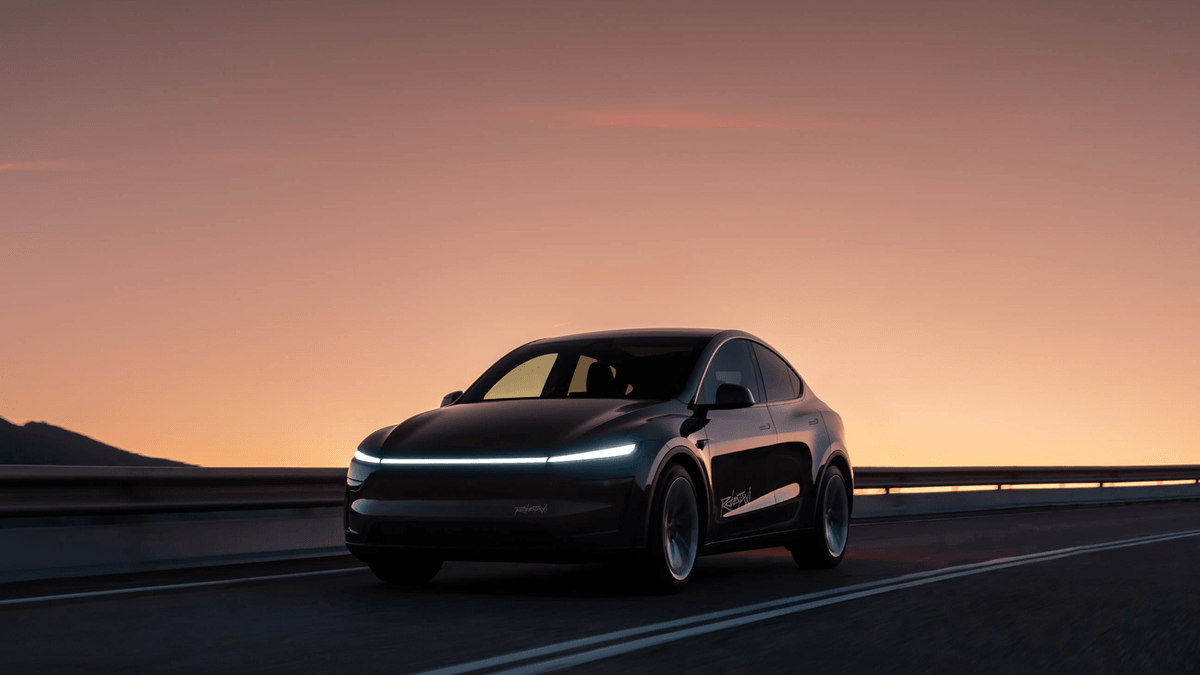
The Tesla Nevada Robotaxi approval now covers up to 5,000 fully autonomous vehicles in Clark County during the first 12 months after permit issuance. That replaces the earlier ten-vehicle phase as the approved scale, but it is not an immediate Las Vegas Robotaxi launch: Tesla must complete inspections, insurance, rate, app and other compliance steps, and Harry Reid International Airport service needs separate authorization.
30-Second Brief
- The Nevada Transportation Authority says its commissioners unanimously approved Tesla Robotaxi, LLC’s Autonomous Vehicle Network Company application on August 20, 2026.
- The approved order authorizes a first-year ceiling of up to 5,000 fully autonomous vehicles after permit issuance.
- Paid rides are limited to Clark County, the approved operational design domain and the conditions set by the Authority.
- Tesla cannot begin service until required inspection, insurance, rate, app-review and other compliance steps are satisfied.
- The order requires operations to commence within 120 days after permit issuance, but Nevada has not announced the exact public launch date.
What Happened
On August 21, the Nevada Department of Business and Industry published the Authority’s official account of a vote held during the August 20 General Session Meeting. Commissioners unanimously approved applications from Tesla, Waymo and Aviari to operate as Autonomous Vehicle Network Companies in Nevada.
For Tesla, the approved order allows up to 5,000 fully autonomous vehicles during the first 12 months following permit issuance. This is a material expansion from the July 27 interim order, which capped the first phase at ten vehicles in a limited Las Vegas Strip corridor. The new approval matches the maximum fleet size Tesla requested in its June application, but it does not mean 5,000 vehicles are already deployed.
What Is Confirmed
- Approval: NTA commissioners unanimously approved Tesla Robotaxi, LLC’s AVNC application.
- Fleet ceiling: Tesla is authorized for up to 5,000 fully autonomous vehicles during the first 12 months following permit issuance.
- Geographic scope: The authorization covers paid passenger transportation in Clark County within the approved operational design domain and other order conditions.
- Airport boundary: The approved geographic area includes Harry Reid International Airport, but service there requires separate authorization from the Clark County Department of Aviation.
- Pre-service requirements: Nevada lists vehicle inspection documentation, required insurance, submitted rates, customer-facing application information, accessibility, nondiscrimination, receipts and reporting among the conditions that must be satisfied.
- Ongoing oversight: Companies must report crashes and other legally required events, maintain inspection, maintenance and repair records, and remain within the granted authority.
- Timing condition: The approved orders require operations to commence within 120 days after permit issuance.
What Remains Unconfirmed
Nevada’s release does not name the exact date when paid Tesla rides will begin, the number of vehicles that will enter service on day one, the final public geofence, the hours of operation or the fare schedule. The 5,000 figure is a regulatory maximum, not a deployment forecast.
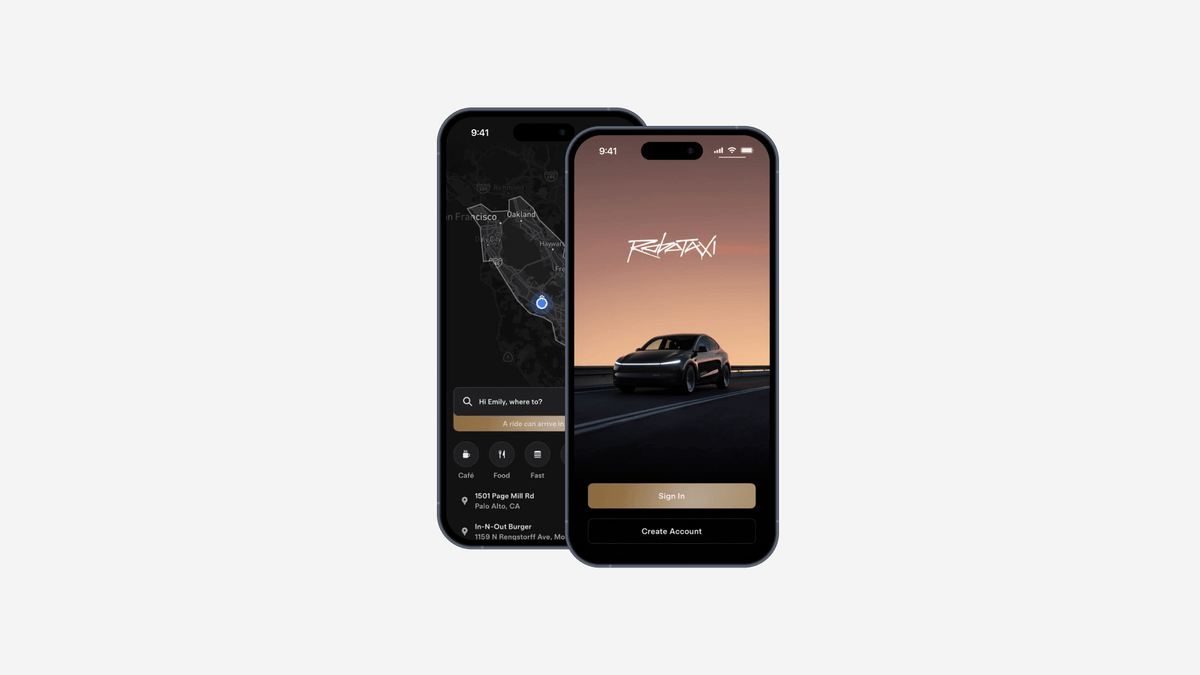
The release also does not identify the initial vehicle mix or explain the operational supervision model. Tesla’s current Robotaxi page says its existing U.S. service starts with Model Y and that Cybercab will offer rides in the future, but that general product statement does not establish which vehicles Tesla will use in Nevada.
The regulator-hosted certificate page still exposed the July 27 interim order when checked for this update. Nevada says the final permits will be issued after staff verify the applicants have satisfied the Authority’s conditions. We therefore treat the application approval as confirmed while keeping permit issuance, final document posting and public service start as separate milestones.
Why It Matters
The vote gives Tesla substantially more regulatory headroom than the initial ten-vehicle order. A 5,000-vehicle ceiling is large enough to support a meaningful commercial network if Tesla can meet the conditions and scale operations, and Clark County offers concentrated visitor demand across Las Vegas.
The conditions are equally important. Nevada has approved the business authority and maximum scale, but operational readiness still depends on vehicle documentation, insurance, rates, customer-app review and compliance systems. Airport access is another separate gate. For readers tracking autonomy, the right milestone sequence is approval, permit issuance, pre-service compliance, public launch and then actual fleet growth.
What Tesla Owners Should Know
- Do not assume rides are available today. Check the Tesla Robotaxi app and official Tesla service map for a live Nevada launch notice.
- Do not read 5,000 as the launch fleet. It is the maximum authorized during the first year after permit issuance.
- Airport service is separate. Harry Reid International Airport trips require authorization from the Clark County Department of Aviation.
- Service may start with a smaller geofence. The Authority retains control over the operational design domain, geofence and operating parameters.
- Vehicle type is not confirmed. Tesla’s general Robotaxi imagery and Cybercab promotion do not prove the Nevada launch fleet configuration.
- Consumer FSD rules do not change. An AVNC approval for Tesla Robotaxi is separate from the supervision requirements for privately owned Tesla vehicles.
Can Tesla operate 5,000 Robotaxis in Las Vegas now?
Nevada approved Tesla for up to 5,000 fully autonomous vehicles in Clark County during the first 12 months after permit issuance. Paid rides cannot begin until the listed regulatory conditions are satisfied, and airport service needs separate authorization. The approval does not confirm that 5,000 vehicles are ready or that public service has started.
Tesstudio Analysis
This update changes the central fact of the original page. The July interim order accurately described a ten-vehicle starting phase, but Nevada’s August 20 vote approves the much larger application. Updating the same event page preserves the regulatory timeline and avoids creating a second URL that would compete with the first.
Our view: the approval is a high-value autonomy milestone, but fleet size will be proven by operations rather than the ceiling in an order. The next evidence to watch is a regulator-hosted final permit, Tesla’s Nevada service announcement, an approved rate filing, an official geofence and verified vehicles entering paid service.
Related Tesla News Resources
Follow the Tesstudio Tesla News hub for verified Tesla software, safety and Robotaxi updates. No Related Gear or purchase CTA is included because vehicle accessories are not relevant to this regulatory approval.
Sources & Reporting Notes
- Nevada Department of Business and Industry: NTA approves Tesla, Waymo and Aviari AVNC applications — primary state release, August 21, 2026.
- Nevada Transportation Authority: Tesla AVNC Permit 002 interim order — primary July 27 document establishing the earlier ten-vehicle phase and restrictions.
- Nevada Transportation Authority: Docket 26-05015 application notice — primary June application record for up to 5,000 vehicles in Clark County.
- Tesla: Robotaxi — company service page and source for the two editorial images; it does not establish Nevada launch timing.
- KTNV Las Vegas: NTA autonomous vehicle applications approved — independent local reporting based on NTA’s announcement.
Reporting note: The 5,000-vehicle ceiling, Clark County scope, pre-service conditions, airport boundary and 120-day requirement come from Nevada’s official release. Tesla’s product page is used only for general service context and image provenance. We do not infer a Nevada launch date, initial fleet size, vehicle mix or final geofence.
Update & Correction Log
August 13, 2026: Initial publication documented Nevada’s July 27 interim order, including the ten-vehicle ceiling, limited corridor and operating restrictions.
August 21, 2026: Updated after Nevada officially announced unanimous approval of Tesla’s full AVNC application for up to 5,000 vehicles during the first year after permit issuance. The headline, summary, analysis and source record now distinguish application approval from final permit issuance and public service. Replaced two generated information cards with sourced Tesla Robotaxi images; no unsupported launch date or fleet forecast was added.


Leave a comment
This site is protected by hCaptcha and the hCaptcha Privacy Policy and Terms of Service apply.