
Owner Brief: Tesla Model Y Tire Chains—Rear Wheels, 30 mph Limit and Fit Rules
Owner Brief · Current Tesla Primary Guidance
For Tesla Model Y tire chains, Tesla says to use the approved size for the exact wheel and seating configuration, install chains on the rear tires only, remove wheel covers, and stay at or below 30 mph (48 km/h). Never deflate a tire to make a chain fit, and stop if a chain contacts suspension or brake components.
30-Second Brief
- This Owner Brief is dated October 14, 2026 in America/Los_Angeles. It summarizes current standing guidance and does not claim Tesla announced a new chain product today.
- Tesla's current U.S. Model Y manual lists different approved chains by tire size and, for some sizes, seating configuration.
- Tesla says chains belong on the rear tires only and must not be used on the front tires.
- Remove wheel covers before installation and do not install tire chains on summer tires.
- Do not exceed 30 mph (48 km/h), avoid heavy loading, and remove chains as soon as conditions allow.
- Local law controls whether chains must be carried or installed. Road requirements can change quickly.
What Happened
Winter travel questions are becoming more relevant as mountain routes move toward seasonal chain-control conditions. Tesla's current Model Y documentation answers the vehicle-fit questions, while road authorities control when traction devices are legally required.
This article enters the mandatory fallback ladder after more than five no-publication hours while the Los Angeles daily count remains below four. It is a clearly dated owner reference, not a same-window product announcement.
What Is Confirmed
- Rear axle: Tesla says approved chains should only be installed on the rear tires and explicitly says not to use snow chains on the front tires.
- Matched fit: the current U.S. manual lists different approved chain models for 18-, 19-, 20- and 21-inch configurations, with seating-layout distinctions for some sizes.
- Wheel covers: Tesla says to remove wheel covers before fitting chains; failing to do so can cause damage not covered by warranty.
- Tire type: Tesla says not to put tire chains on summer tires.
- Speed: Tesla's maximum while using chains is 30 mph (48 km/h).
- Clearance: Tesla warns against heavy loading, non-recommended chains, front-tire installation and deflating tires to make chains fit.
- Noise response: if unusual noise suggests contact with suspension components or brake lines, Tesla says to stop and investigate immediately.
What Remains Unconfirmed
The online table is not proof that one chain fits every Model Y. Wheel diameter, tire size, seating configuration, market and future manual revisions can change the correct product. The vehicle's touchscreen manual and tire sidewall should be checked before purchase or installation.
This article also does not state that carrying chains always satisfies a posted road control, or that all-wheel drive creates a universal exemption. Local authorities and posted instructions determine the rule at the time and place of travel.
Why It Matters
Incorrect chains can damage more than a wheel finish. Tesla specifically identifies suspension, body, wheels and brake lines as components at risk when a chain is wrong or poorly installed. The manufacturer fit table and the chain maker's instructions therefore work together.
The legal question is separate from the vehicle question. Caltrans, for example, says control areas can change rapidly and tells drivers to use the vehicle manufacturer's specifications while obeying posted chain-control directions.
What Tesla Owners Should Know
- Read the in-car manual. Use the manual matched to the exact vehicle because online tables can change.
- Match the tire sidewall. Confirm the actual tire size, not only the wheel style shown in the app.
- Buy the listed fit. Do not assume a chain sold for another Model Y wheel or seating layout has safe clearance.
- Remove wheel covers. Follow Tesla's warning before chain installation.
- Use rear tires only. Do not install snow chains on the front tires.
- Stay below 30 mph. Drive slowly, reduce load and remove chains when conditions allow.
- Never deflate to fit. Re-inflation can make chains dangerously tight.
- Stop for contact noise. Inspect immediately if chains may be touching suspension or brake lines.
- Check current road controls. Carry and install traction devices as required by local signs and authorities.
Tesstudio Analysis
Tesstudio scores this dated Owner Brief at 74.4. Authority, safety relevance and owner usefulness are high because the vehicle-fit and operating limits come directly from Tesla's current Model Y manual, with Caltrans providing independent public-road context. Timeliness and event magnitude are lower because this is seasonal standing guidance rather than a new product event.
The most important distinction is fit versus law: Tesla determines what can be safely fitted to the vehicle, while road authorities determine when traction devices must be carried or installed.
Related Tesla News Resources
No Related Gear module is included. Tire chains are safety-critical vehicle equipment, and no Tesstudio catalog product is mapped without a verified fit for the reader's exact tire and configuration.
Sources & Reporting Notes
- Tesla Model Y Owner's Manual: Tire Care and Maintenance — primary rear-wheel placement, current size/configuration table, wheel-cover rule, speed limit and clearance warnings.
- Tesla Model Y Owner's Manual: Cold Weather Best Practices — primary winter-tire, tire-chain and local-regulation context.
- Caltrans: Chain Controls / Chain Installation — independent public-road context showing that controls change and posted requirements govern.
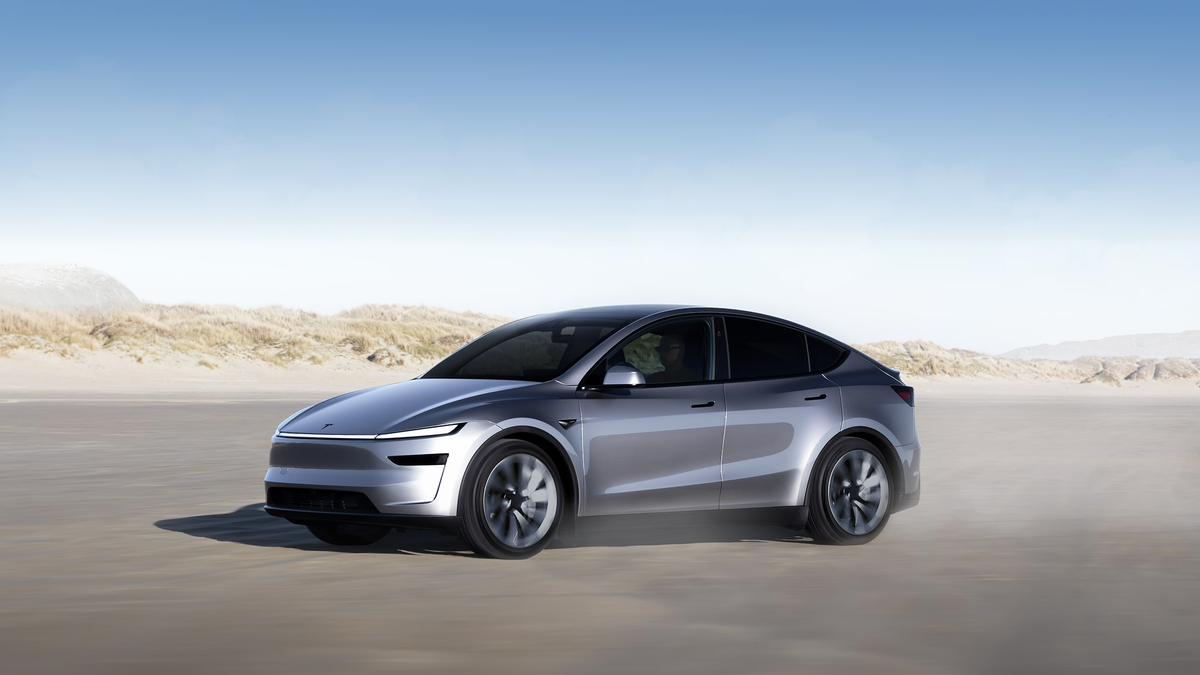
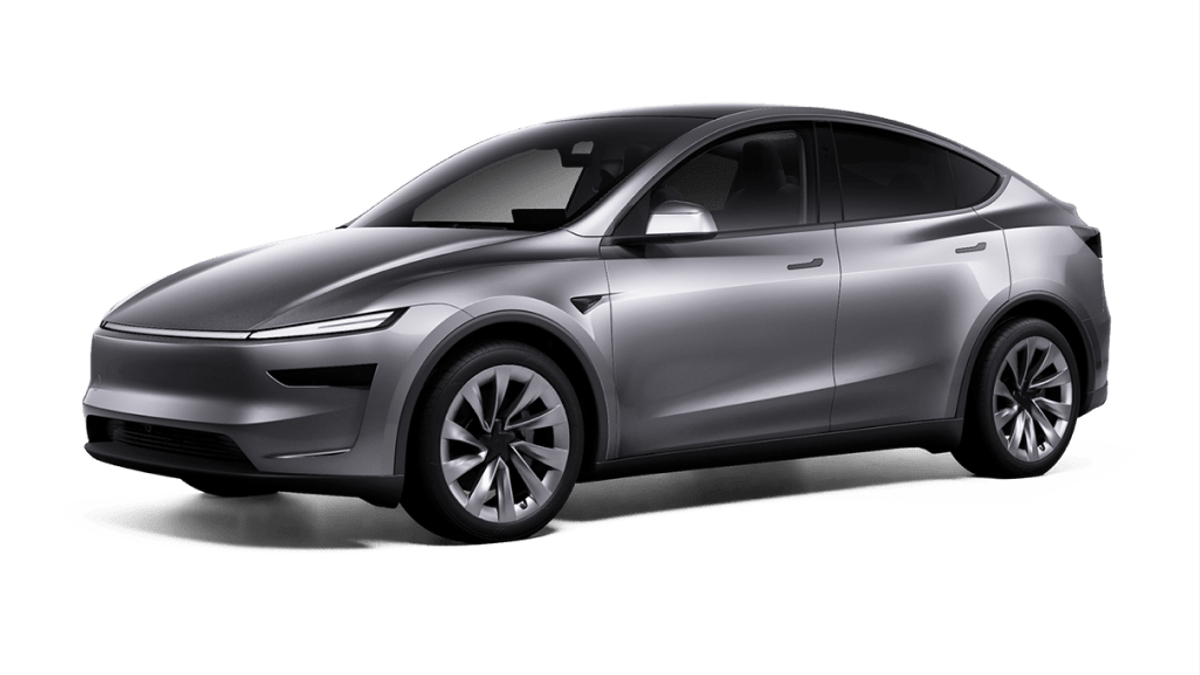
Reporting note: The two Tesla manual pages and Caltrans page were read through lightweight HTTP/Web routes on October 14, 2026. Product images are official Tesla photographs used only as clearly labeled vehicle-family context; they do not show chain installation.
Update & Correction Log
October 14, 2026: Initial Owner Brief. The article preserves tire-size, seating-configuration, local-law and future-manual boundaries and does not imply that standing guidance changed today.



Leave a comment
This site is protected by hCaptcha and the hCaptcha Privacy Policy and Terms of Service apply.