
Owner Explainer: Tesla Model Y Blind Spot Camera, Chime and Warning Lights
Owner Explainer · Tesla + NHTSA Primary Guidance
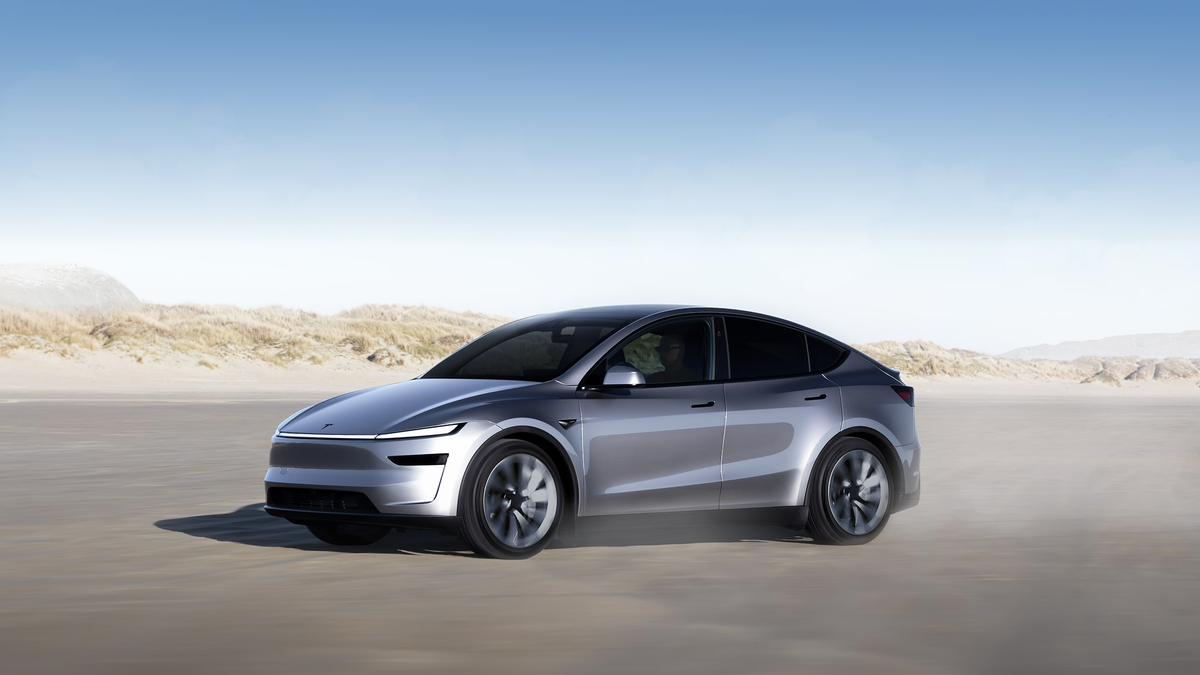
Tesla Model Y blind-spot assistance can combine an automatic side-camera view, a collision-warning chime and—on equipped vehicles—A-pillar warning lights. These signals do not eliminate shoulder checks or guarantee detection. Check the controls and manual matched to your vehicle, then verify the adjacent lane directly before moving.
30-Second Brief
- This November 11, 2026 Owner Explainer summarizes current primary documentation; it is not a claim that Tesla announced a new blind-spot feature today.
- Automatic Blind Spot Camera can display the corresponding side-repeater view when a turn signal is used.
- Tesla says a vertical red bar can appear in the camera image when a vehicle is detected in the adjacent blind spot.
- The optional Blind Spot Collision Warning Chime is designed to sound when a vehicle is detected in the blind spot and a possible collision is identified.
- Current Model Y documentation also describes A-pillar warning lights on equipped vehicles, but availability varies by configuration, market and software.
- Tesla warns that the camera, chime and warning lights do not detect every hazard and do not replace attentive driving or shoulder checks.
What Happened
Tesla's current Model Y documentation describes several blind-spot signals that owners can confuse as one system. The side-camera image provides a view, the chime adds an audible warning for a possible collision, and warning lights can communicate detection status on supported vehicles.
The NHTSA distinction is useful: blind-spot warning provides audio or visual information, while blind-spot intervention may apply braking or steering after a driver begins moving toward an occupied lane. A warning is not the same as an intervention, and neither makes a lane change automatically safe.
What Is Confirmed
- Camera view: Tesla says the Automatic Blind Spot Camera can show the side-repeater image corresponding to the active turn signal.
- Red-bar alert: Tesla documents a vertical red bar in the camera image when a vehicle is detected in the adjacent blind spot.
- Optional chime: the Blind Spot Collision Warning Chime can be enabled in Controls > Safety on the current Model Y manual page.
- Warning lights: current Model Y documentation describes red A-pillar speaker-grille lights on equipped vehicles, with solid, blinking and rapid-blinking states.
- Door-opening alert: on vehicles with the documented warning-light feature, Tesla describes an alert when an approaching object is detected while a door-opening attempt is made.
- NHTSA definitions: the agency separates blind-spot warning from blind-spot intervention and says warning systems provide audio or visual alerts.
- Driver responsibility: Tesla says the camera and chime do not eliminate attentive driving or manual shoulder checks.
What Remains Unconfirmed
The sources do not establish that every Model Y has identical warning lights, menus, thresholds or display behavior. Build configuration, market, purchased options and software version can change what appears. The touchscreen Owner's Manual matched to the individual vehicle is the controlling reference.
The documentation does not prove detection of every motorcycle, bicycle, pedestrian or fast-approaching vehicle, and it does not promise reliable operation in every weather, lighting or camera-obstruction condition. This article does not independently test detection range or false-alert rates.
Why It Matters
Blind-spot tools can reduce information gaps, but they can also create overconfidence if owners treat a quiet chime or blank camera overlay as proof that the lane is clear. Tesla's own warning keeps the correct hierarchy: direct observation and driver judgment come first; camera, chime and lights are supporting signals.
Separating warnings from intervention also helps owners interpret behavior. An audible or visual alert asks the driver to respond. A steering or braking input is a different class of assistance and remains subject to system limits.
What Tesla Owners Should Know
- Check the matched manual. Open the touchscreen Owner's Manual and confirm which blind-spot features and controls apply to your build.
- Enable the signals you want. Review Controls > Display for the camera and Controls > Safety for the chime or warning lights where available.
- Place the camera window carefully. If the manual allows repositioning, choose a location that does not cover critical driving information.
- Use mirrors and a shoulder check. Do not move solely because the camera lacks a red bar or the chime stays silent.
- Keep cameras clear. Dirt, snow, ice, glare, rain and damage can reduce camera performance.
- Read warnings by function. A camera view, chime, warning light and steering intervention are different signals with different limits.
- Do not test the system in traffic. Never create a close lane-change situation to see whether a warning or intervention appears.
Tesstudio Analysis
Tesstudio scores this current Owner Explainer at 74.3. Source authority and owner relevance are high because operational and safety boundaries come from Tesla and NHTSA primary pages. Timeliness and event magnitude are lower because this is standing guidance rather than a same-window product launch.
The most important rule is that silence is not clearance. A driver should treat the camera, chime and warning lights as extra evidence, never as a substitute for checking the lane. That reading is consistent across both Tesla's warnings and NHTSA's description of blind-spot assistance.
Sources & Reporting Notes
- Tesla Model Y Owner's Manual: Lane Assist — primary source for the collision-warning chime, warning lights, door-opening alert and driver-responsibility warnings.
- Tesla Model Y Owner's Manual: Cameras — primary source for Automatic Blind Spot Camera, the turn-signal view and red-bar behavior.
- NHTSA: Driver Assistance Technologies — primary public definitions separating blind-spot warning from blind-spot intervention.
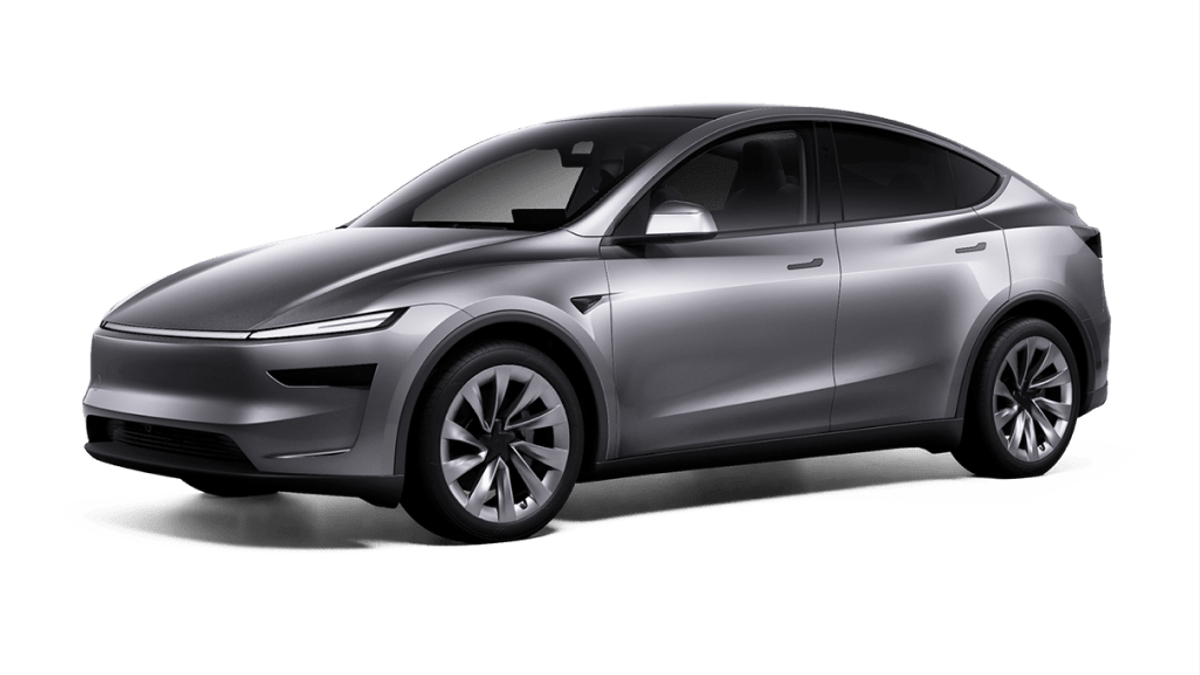
Reporting note: Tesla's manual pages were verified through the current lightweight Web index after direct runtime extraction returned only a partial shell; NHTSA's definitions were directly readable. Both visuals are existing provenance-tracked official Tesla product images and are explicitly illustrative. Community anecdotes were not used as factual evidence. X was not called because actual billing could not be verified.
Update & Correction Log
November 11, 2026 in America/Los_Angeles: Initial fallback publication. The article separates camera, chime, warning-light and intervention functions, preserves equipment variability and states that blind-spot assistance does not eliminate shoulder checks.


Leave a comment
This site is protected by hCaptcha and the hCaptcha Privacy Policy and Terms of Service apply.