
Owner Explainer: Tesla Model S Manual Door Releases and No-Power Exit
Owner Explainer · Current Tesla Primary Guidance
For a Tesla Model S no-power exit, Tesla says the front manual release is in front of the window switches. For a rear door, fold back the carpet edge below the rear seats, expose the mechanical release cable and pull it toward the center of the vehicle. Use the mechanical releases only when the car has no power or when otherwise necessary.
30-Second Brief
- This dated Owner Explainer summarizes current Tesla Model S guidance; it does not claim the hardware changed on October 28, 2026.
- With power available, use the normal interior door button.
- For a front door without power, pull up the manual release in front of the window switches.
- For a rear door without power, fold back the carpet edge below the rear seats and pull the exposed cable toward the center of the vehicle.
- Tesla warns that the window may not lower automatically when a manual release is used, creating a risk of glass or trim damage.
- Owners must verify the procedure against the matched manual for their exact vehicle, build and market.
What Happened
Model S normally uses powered interior door controls, while Tesla documents separate mechanical paths for loss of low-voltage power. The front and rear procedures are different, and the rear cable is hidden below the rear-seat carpet edge.
This article enters Tesstudio's mandatory fallback ladder after more than five no-publication hours while the America/Los_Angeles daily count remains below four. It is a current owner explainer built from Tesla primary guidance, not a same-window product announcement.
What Is Confirmed
- Front no-power path: Tesla says to pull up the manual release located in front of the window switches.
- Rear access point: fold back the carpet edge below the rear seats to expose the mechanical release cable.
- Rear pull direction: pull the cable toward the center of the vehicle.
- Normal-use boundary: when Model S has power, Tesla says to use the button at the top of the interior door handle.
- Window caution: the window may not automatically lower when the manual release is used, and the window or trim may be damaged.
What Remains Unconfirmed
The official pages do not establish that every Model S generation, build or market has identical trim, carpet access or cable routing. Earlier 2012–2020 vehicles can use different front-door wording, so owners should select the manual tied to the exact vehicle.
The guidance also does not prove that every door will remain operable after every collision, fire, submersion or deformation event. Emergency conditions can change the safest exit, and this article does not replace instructions from emergency services.
Why It Matters
A hidden rear release is difficult to find for the first time under pressure. Learning the front lever and rear carpet-access point while parked helps owners explain them to regular passengers before an emergency.
The safety value comes from precision: normal powered controls remain the default, while the mechanical releases are backups for loss of power or another necessary situation.
What Tesla Owners Should Know
- Open the matched manual now. Confirm the procedure for the exact Model S generation and market.
- Locate the front releases. Identify the lever in front of each front window-switch panel while parked.
- Identify the rear carpet access. Learn where the cable sits below the rear seats and the direction Tesla says to pull it.
- Teach frequent passengers. Explain that powered buttons are for normal use and the mechanical path is a no-power backup.
- Avoid unnecessary use. The window may not lower automatically, creating a risk of glass or trim damage.
- Follow emergency instructions. After a crash or other serious hazard, do not assume every release remains operable.
Tesstudio Analysis
Tesstudio scores this dated Owner Explainer at 73.2. Source authority and owner impact are high because the steps and cautions come from current Tesla Model S owner documentation. Timeliness and event magnitude are lower because this is standing guidance rather than a newly announced change.
The practical takeaway is specific: distinguish the front lever from the rear cable below the seat carpet, and verify both against the exact vehicle before they are needed.
Sources & Reporting Notes
- Tesla Model S Owner's Manual: Opening Doors with No Power — primary instructions for the front and rear mechanical releases, pull direction, normal-use boundary and window caution.
- Tesla Model S Owner's Manual: Interior — primary control map identifying the power-window switches and manual door release.
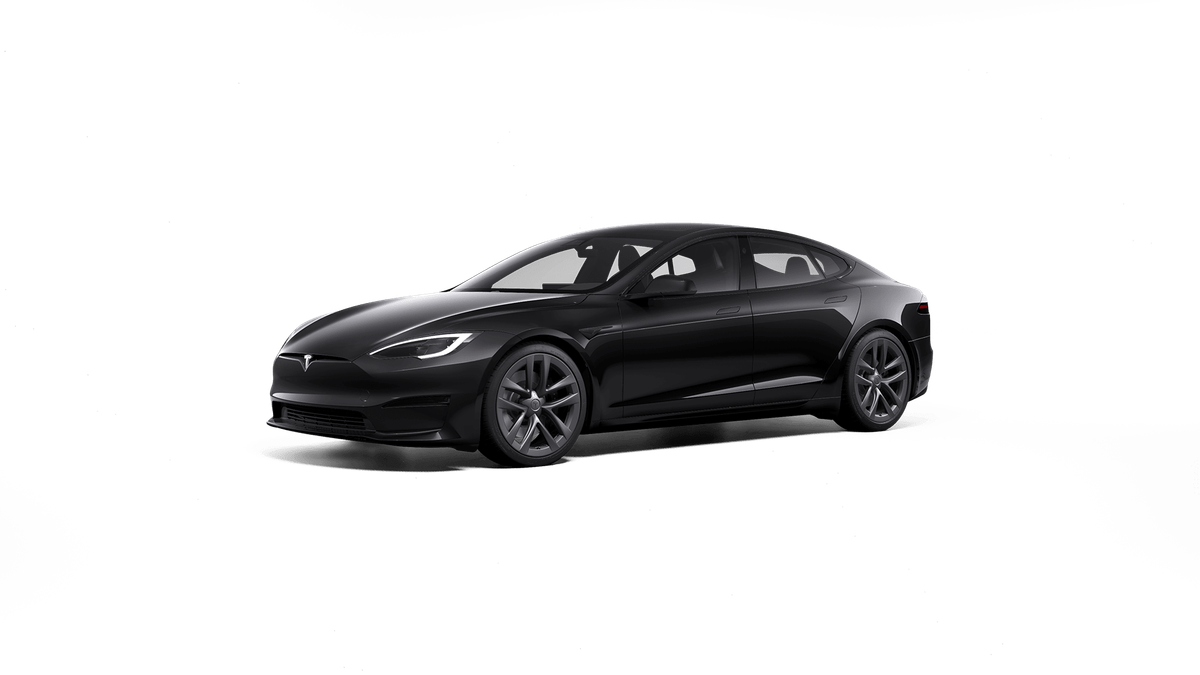
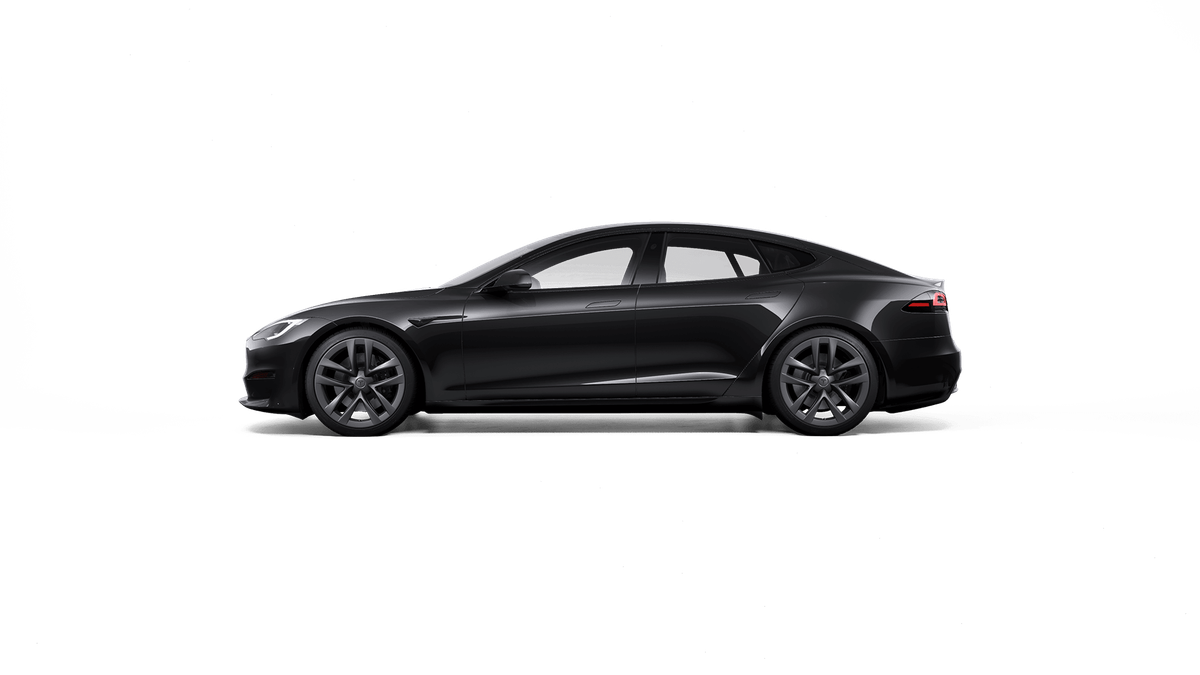
- Tesla Model S — official source for the two clearly labeled illustrative configurator images.
Reporting note: The current Tesla manual pages were independently readable through the lightweight web index on October 28, 2026; direct Tesla HTML requests were blocked or timed out. No community statement is used as factual evidence. The article is limited to Tesla's documented procedure and preserves generation, market and emergency-condition boundaries.
Update & Correction Log
October 28, 2026: Initial publication. The article separates the front and rear no-power procedures and preserves vehicle-specific and emergency-condition limits.




Leave a comment
This site is protected by hCaptcha and the hCaptcha Privacy Policy and Terms of Service apply.