
NASA’s Roman Telescope Launches on SpaceX Falcon Heavy
Verified Update · NASA Primary Source + AP
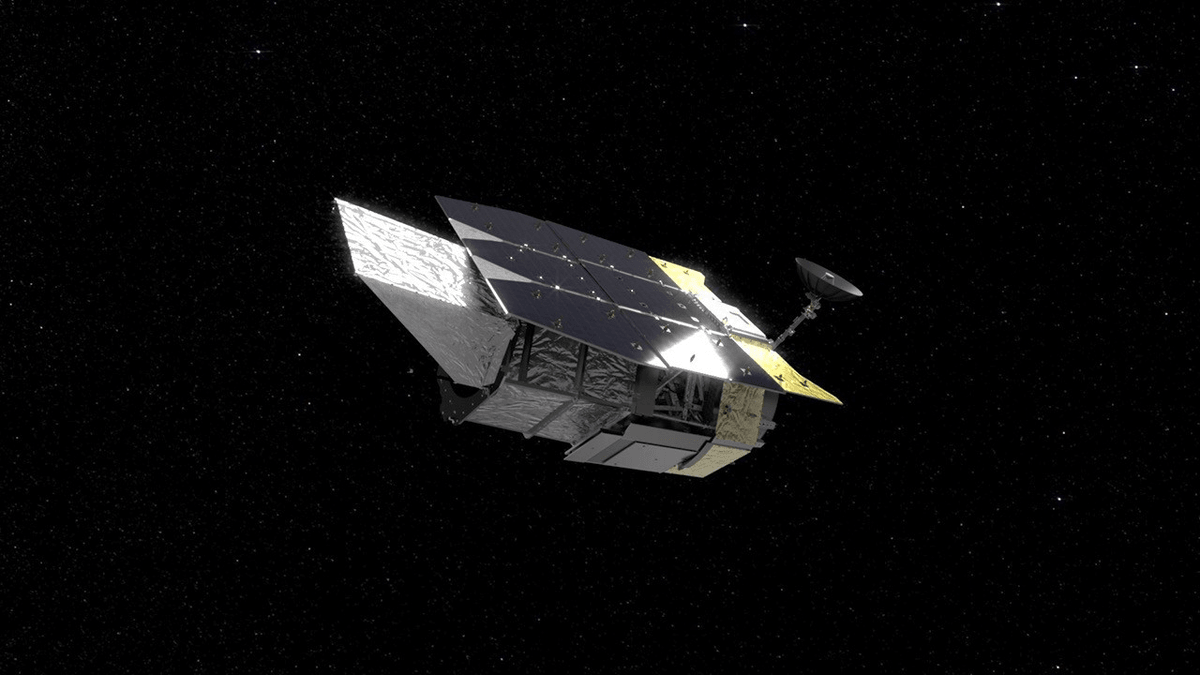
NASA confirms the Roman Space Telescope launch occurred at 7:26 a.m. EDT on August 30 aboard a SpaceX Falcon Heavy. Roman established communications, separated from the rocket about 31 minutes after liftoff, and deployed its solar panels and lower instrument sun shade. The mission is now beginning a roughly three-month journey toward Sun-Earth L2.
30-Second Brief
- NASA’s Nancy Grace Roman Space Telescope launched from Kennedy Space Center’s Launch Complex 39A at 7:26 a.m. EDT (11:26 UTC) on August 30, 2026.
- NASA says the SpaceX Falcon Heavy performed as expected; Roman separated from the upper stage about 31 minutes after liftoff.
- Ground teams received telemetry seven minutes after launch, and NASA later confirmed deployment of the observatory’s solar panels and lower instrument sun shade.
- Roman is beginning a roughly three-month, one-million-mile journey to an orbit around the second Sun-Earth Lagrange point.
- The launch is complete, but the cruise and commissioning campaign remain underway. NASA anticipates first images in early 2027.
What Happened
The event page has moved from a launch-coverage brief to a verified mission update. NASA’s August 30 release confirms liftoff at 7:26 a.m. EDT aboard Falcon Heavy from pad 39A. The agency says telemetry began arriving seven minutes after launch and the rocket separated Roman from its upper stage about 31 minutes into flight.
NASA’s launch blog separately records spacecraft separation at approximately 7:57 a.m. EDT and confirms that Roman was flying on its own. The Associated Press independently reported the launch, booster returns and spacecraft separation.
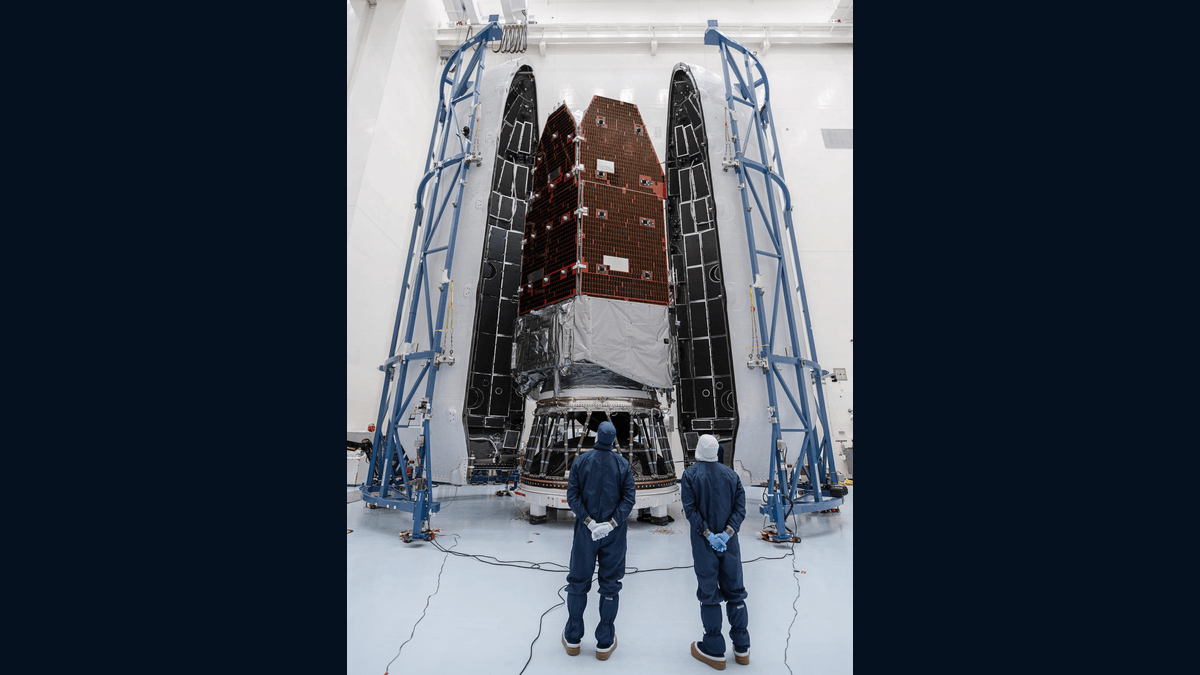
What Is Confirmed
- Launch: 7:26 a.m. EDT (11:26 UTC) on August 30, 2026, from Launch Complex 39A.
- Rocket performance: NASA says Falcon Heavy performed as expected.
- Communications: Roman telemetry reached NASA seven minutes after launch.
- Separation: Roman separated from Falcon Heavy’s upper stage at about 7:57 a.m. EDT.
- Early deployment: NASA confirmed the solar panels and lower instrument sun shade deployed one hour and 23 minutes after launch.
- Destination: Roman is traveling toward an orbit around Sun-Earth L2, about one million miles from Earth.
What Remains Unconfirmed
Successful launch and early deployment do not mean Roman has reached L2 or completed commissioning. NASA still expects the high-gain antenna and deployable aperture cover to open, mid-course corrections to occur, and both instruments to be powered on and calibrated.
NASA anticipates first images in early 2027, but that remains a schedule target. This update does not claim that science operations have started, that every deployment is complete, or that future commissioning milestones are guaranteed.
Why It Matters
Roman is a flagship NASA observatory designed to combine Hubble-like infrared sharpness with a field of view at least 100 times larger. NASA says it will study dark matter, dark energy, exoplanets, galaxies and black holes while producing 1.4 terabytes of data per day.
For SpaceX, the mission is a high-profile civil-science deployment on Falcon Heavy. The successful ascent and separation close the launch phase; the evidence boundary now shifts to Roman’s cruise, deployments and commissioning.
What Tesla Owners Should Know
- This is SpaceX news, not a Tesla vehicle update. It does not change Tesla software, charging, service or product availability.
- The mission is past launch. Older references to an August 30 target should now be read as completed schedule information.
- Follow NASA for commissioning. The next meaningful updates are deployments, trajectory corrections, instrument activation and arrival at L2.
- Separate launch success from science readiness. Roman still needs months of calibration before routine observations.
- Watch the primary record. NASA’s separation post includes the agency’s launch video and links to continuing mission updates.
Watch NASA’s spacecraft-separation update and source video.
Tesstudio Analysis
Tesstudio scores this same-event update at 92.0. NASA provides timestamped primary confirmation for liftoff, telemetry, separation and early deployments, while AP independently corroborates the launch and separation. The event is highly significant but does not justify a duplicate article because Tesstudio already had a canonical Roman launch page.
Our view: updating the existing brief is the cleanest reader and search experience. The page now records the event’s full progression from scheduled coverage to launch and early operations while keeping unfinished commissioning milestones explicit.
Related Tesla News Resources
Follow the Tesstudio Tesla News hub for verified SpaceX, Starlink and Tesla developments. No Related Gear or product call-to-action is included because Tesstudio’s vehicle-accessory catalog is not relevant to this NASA mission.
Sources & Reporting Notes
- NASA: Roman Space Telescope launches — primary August 30 release confirming liftoff, telemetry, separation, booster returns, solar-panel deployment and early mission status.
- NASA Science: Roman flying on its own — primary timestamped separation and communications update with NASA’s source video.
- Associated Press: NASA’s Roman telescope launches — independent launch and separation reporting.
Reporting note: This Verified Brief was first published August 24, updated August 26 with NASA’s hangar-transfer record, and updated again August 30 after launch and early deployment confirmation. The visuals are official NASA assets resized without generative alteration; neither is presented as a photograph of launch-day flight.
Update & Correction Log
August 24, 2026: Initial publication with NASA’s launch-coverage schedule.
August 26, 2026: Added NASA’s confirmation of the observatory’s transfer to the SpaceX hangar.
August 30, 2026: Reframed the page after NASA confirmed launch, communications, spacecraft separation, solar-panel deployment and the start of Roman’s journey to L2. No correction to the earlier schedule reporting was required.


Leave a comment
This site is protected by hCaptcha and the hCaptcha Privacy Policy and Terms of Service apply.