
Owner Explainer: Tesla Daily Charge Limits, 100% Trip Charging and Battery Care
Owner Explainer · Current Tesla Primary Documentation
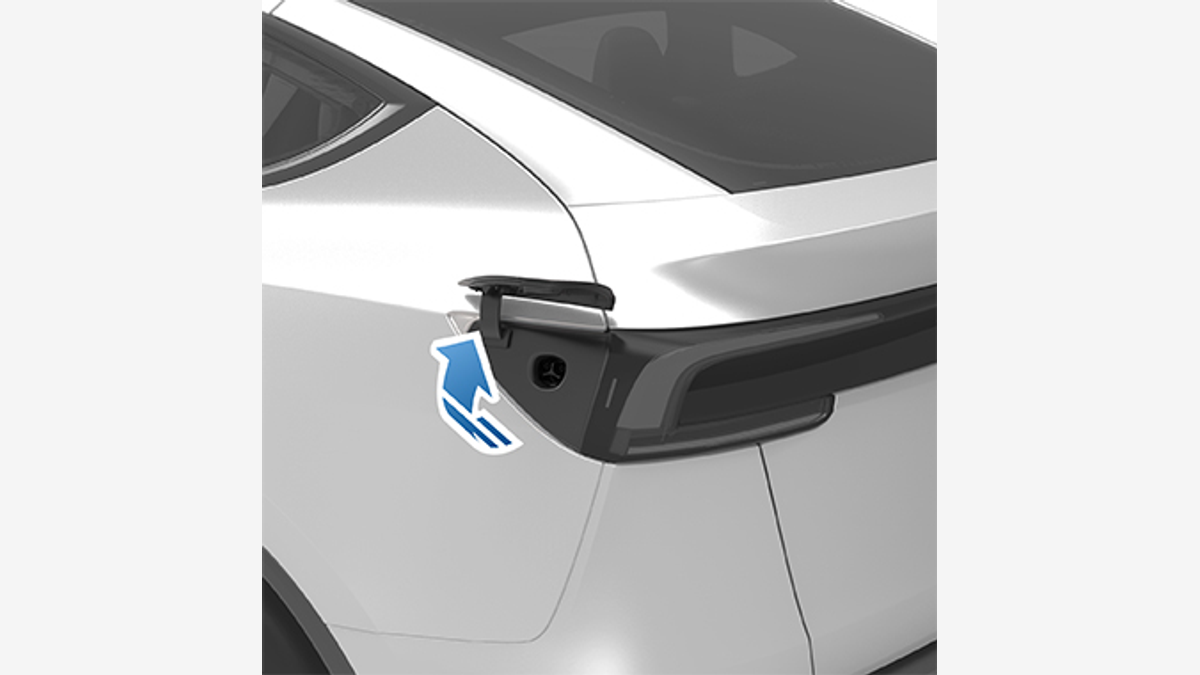
The correct Tesla daily charge limit depends on the installed battery, so follow the recommendation shown by the car or app. For a long trip, use the documented one-time higher charge limit; avoid leaving the vehicle near 0% or 100% for extended periods, and confirm a blinking green charge-port light before walking away.
30-Second Brief
- This Owner Explainer is dated September 7, 2026 in America/Los_Angeles. It summarizes current Tesla documentation and does not claim a new battery or charging feature launched today.
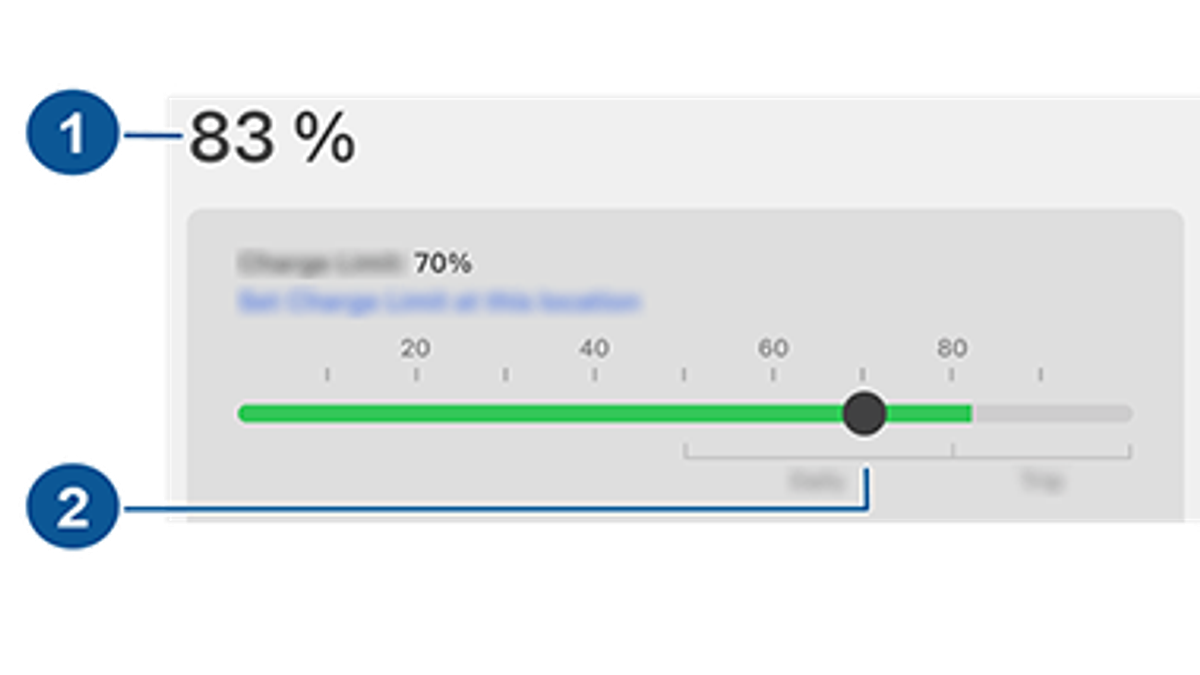
- Tesla does not prescribe one universal daily percentage for every vehicle. The touchscreen or Tesla app displays the recommendation for the installed battery.
- For vehicles that display an 80% daily recommendation, Tesla says to keep that limit for daily use and increase it when necessary before a long road trip.
- Model 3 and Model Y manuals document a temporary one-time charge above the daily recommendation that resets to the previous limit afterward.
- Tesla advises owners not to leave the battery near 0% or 100% for days or weeks and to charge regularly rather than repeatedly running the battery very low.
What Happened
Tesla’s current support pages and owner manuals give owners a battery-specific answer to a common question: “What percentage should I charge to?” The company directs drivers to the recommendation shown by their own vehicle rather than presenting one number as correct for every battery.
This is a policy-required fallback owner explainer after five complete hours without a new publication while the Los Angeles daily count remained below four. It is not presented as a same-window Tesla announcement.
What Is Confirmed
- Battery-specific guidance: Tesla says different batteries require different charging routines and tells owners to use the recommendation displayed by the vehicle or app.
- 80% applies conditionally: Tesla’s Range Tips say vehicles with a recommended daily limit of 80% should generally stay at 80% for daily use and move higher when necessary for a long trip.
- Temporary trip charging: Current Model 3 and Model Y manuals describe a one-time option to move above the daily recommendation; the limit returns to its previous setting afterward.
- Avoid extended extremes: Tesla advises against leaving the vehicle near 0% or 100% for days or weeks.
- Charge regularly: Tesla recommends frequent charging and plugging in at home regularly instead of routinely waiting for a very low state of charge.
- Check that charging started: Tesla says a blinking green charge-port light means charging is in progress; amber or red requires attention before leaving the vehicle.
What Remains Unconfirmed
No single percentage can be stated as the correct daily limit for every Tesla. Battery type, vehicle build, software, region and the recommendation displayed by the car can differ. Owners should not override their vehicle’s instruction based only on another owner’s routine.
Tesla’s guidance does not promise a specific degradation rate, battery lifespan or resale value for following these practices. It also does not mean an occasional high trip charge automatically damages a battery. The key distinction is between using extra charge when needed and leaving the vehicle at an extreme state of charge for an extended period.
Why It Matters
Charging advice is often reduced to a universal “80% rule,” but Tesla’s own wording is narrower: 80% is appropriate for vehicles that display that recommendation. Following the car avoids applying guidance for one battery chemistry to another.
The one-time trip setting also solves a practical problem. It lets an owner start a long journey with more energy without forgetting to restore the normal daily limit later.
What Tesla Owners Should Know
- Check your own recommendation. Open Controls > Charging on the touchscreen or the Charging screen in the Tesla app. Use the displayed daily and trip guidance.
- Use extra charge for a real need. Before a long trip, move above the daily limit only when the additional range is useful. Where offered, select the one-time option so the normal limit resets automatically.
- Time the finish near departure. Schedule charging so a high trip charge finishes close to when you plan to leave rather than leaving the vehicle full for an extended period.
- Do not wait for nearly empty. Tesla recommends charging regularly and avoiding prolonged low states of charge.
- Verify the session started. Look for the blinking green port light and confirm charging in the car or app. Solid amber means the connector may not be fully seated; blinking amber indicates reduced AC current; red indicates a fault.
- Plan long-term parking separately. Tesla’s Range Tips say that for stationary periods longer than two weeks, leave the vehicle around 50%, set the limit to 50% and keep it plugged in if possible.
- Use the in-car manual for exceptions. Exact menus, limits and storage advice can change with the vehicle, battery, software or market.
Tesstudio Analysis
The most reliable charging routine is deliberately boring: trust the vehicle’s current recommendation, plug in regularly, use extra charge when a trip requires it and avoid letting the car sit near either extreme for a long time.
Owners should treat the percentage as an operating setting, not a competition. The useful question is whether the chosen limit covers routine driving with a practical reserve while staying aligned with Tesla’s battery-specific guidance.
Related Tesla News Resources
For route planning and fast-charging preparation, see Tesstudio’s Trip Planner explainer and Supercharger preconditioning explainer. No Related Gear module is included because this guidance does not establish an accessory need.
Sources & Reporting Notes
- Tesla: Range Tips — primary support guidance for battery-specific limits, conditional 80% daily charging, prolonged extreme states of charge, frequent charging and long-term parking.
- Tesla Model Y Owner Manual: Charging Instructions — primary source for charge settings, one-time trip charging, charge-port light states, fast-charging tips and both attributed illustrations.
- Tesla Model 3 Owner Manual: Charging Instructions — primary model-specific corroboration of recommended limits and charging checks.
- Tesla: Home Charging — primary support guidance to plug in regularly and follow the battery-specific limit shown in the vehicle.
Reporting note: Tesla’s instructions are presented as company documentation, not independent battery testing. Direct Tesla support-page requests returned access restrictions during this run, while current indexed pages were readable and the official Model 3 and Model Y manuals and both source images returned HTTP 200. Owners should follow the live in-car manual for their exact vehicle.
Update & Correction Log
September 7, 2026: Initial Owner Explainer, published in mandatory fallback mode after five complete no-publication hours and with zero Tesla News posts on the new America/Los_Angeles day.




اترك تعليقًا
This site is protected by hCaptcha and the hCaptcha Privacy Policy and Terms of Service apply.