
Owner Explainer: Tesla Cold-Weather Preconditioning, Range and Regenerative Braking
Owner Explainer · Tesla + DOE Primary Sources
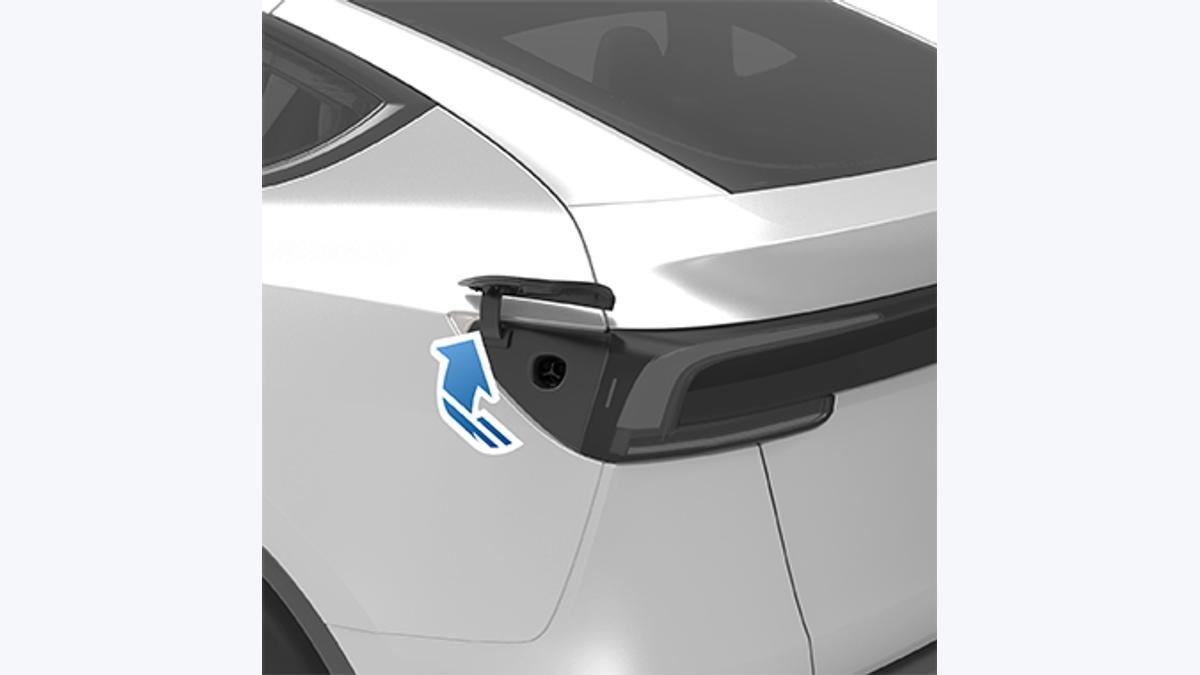
For Tesla cold-weather range, start with scheduled preconditioning while the car is plugged in. A blue snowflake means some Battery energy is temporarily unavailable, and regenerative braking, acceleration and charging may be limited until the Battery warms. Cold-weather loss varies by trip, vehicle and conditions; Tesla does not publish one universal percentage.
30-Second Brief
- This Owner Explainer is dated October 8, 2026 in America/Los_Angeles and summarizes current Tesla company guidance plus an independent U.S. Department of Energy public record. It is not presented as a new feature announcement.
- Tesla says cold weather raises energy use because the car may need power for driving, cabin heat and Battery heat.
- The blue snowflake indicates that some stored energy is temporarily unavailable because the Battery is cold; regenerative braking, acceleration and charging rates may also be limited.
- Tesla recommends scheduling preconditioning and keeping the vehicle plugged in when practical so the charging system can help warm the Battery.
- There is no single honest winter-range percentage for every Tesla. Temperature, trip length, speed, wind, heating, tires, terrain and Battery state all matter.
What Happened
Tesla’s current Model Y manual groups its cold-weather advice around preparation, energy use, temporary Battery limits and post-drive care. The central owner action is to prepare the vehicle before departure rather than treating the first miles of a cold trip as if the Battery were already warm.
The hourly news scan found no same-window event that passed the normal evidence and score threshold. With zero posts on the Los Angeles day and more than nine hours since the last publication, the workflow expanded under the mandatory fallback ladder to this current, evidence-based owner topic.
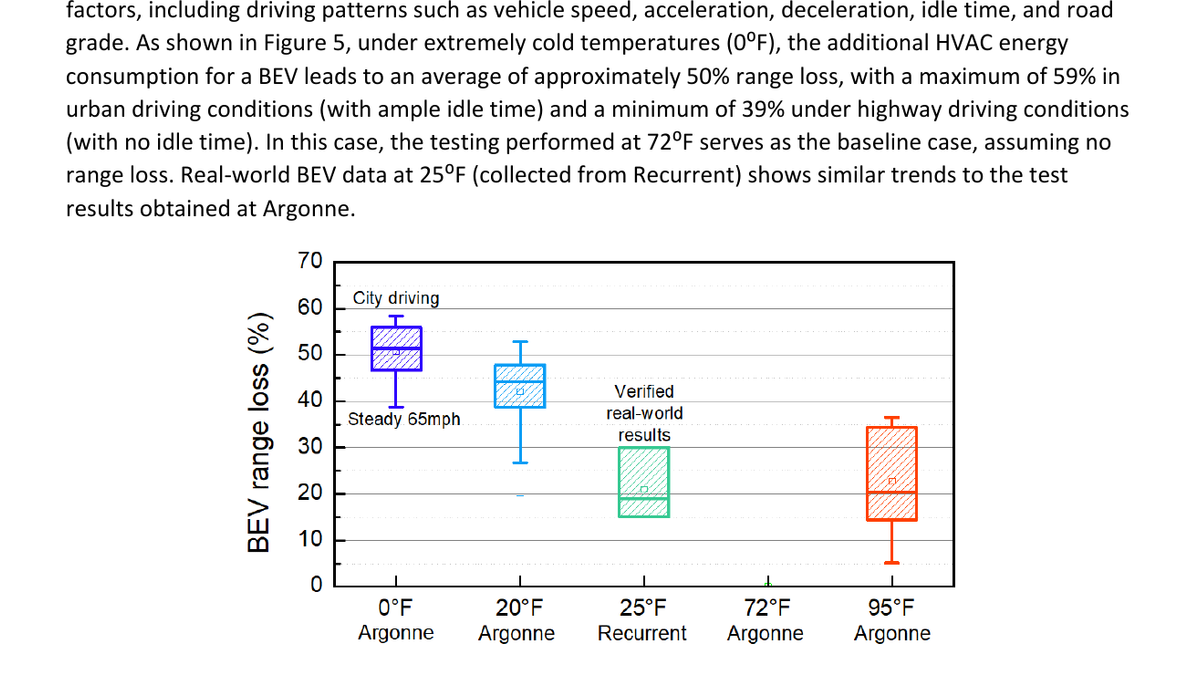
What Is Confirmed
- Higher energy use: Tesla says cold weather can require more power for propulsion, cabin heat and Battery heat.
- Blue snowflake: Tesla says this icon appears when part of the stored energy is unavailable because the Battery is cold. The unavailable portion is shown in blue on the Battery meter.
- Temporary performance limits: regenerative braking, acceleration and charging rates may be reduced until the Battery warms.
- Scheduled preparation: Tesla recommends using Schedule to precondition the cabin and Battery for a planned departure and pairing it with scheduled charging.
- Plugged-in advantage: Tesla says leaving the vehicle plugged in allows the charging system, rather than only the Battery, to help keep the Battery warm.
- Efficiency varies: DOE’s review shows that ambient temperature, heating technology, operating cycle and vehicle design can materially change cold-weather efficiency.
What Remains Unconfirmed
No primary source supports one universal statement such as “every Tesla loses 30% of range in winter.” A short urban trip with a cold-soaked cabin can look very different from a longer trip after preconditioning, and a heat-pump vehicle can differ from another configuration.
Preconditioning does not make weather irrelevant, restore every mile shown in warm conditions or guarantee full charging speed. A blue snowflake is also not a diagnosis of Battery damage; owners should distinguish the normal cold-battery indicator from separate alerts that direct them to service.
Why It Matters
Cold trips can stack several energy demands at once: warming the cabin, warming the Battery, overcoming denser air and moving on winter tires or wet roads. Preparing while plugged in shifts part of that work to external power and can reduce the temporary limits at departure.
The braking boundary matters just as much as range. Tesla says a cold Battery can limit regenerative braking. Current Model Y documentation says the vehicle can automatically apply regular brakes to provide consistent deceleration, but owners still need to follow the live manual and leave extra distance on snow or ice.
What Tesla Owners Should Know
- Set the departure time. Use Controls > Schedule or the Tesla app to precondition before the trip, not only after entering the car.
- Keep the vehicle plugged in when practical. This lets preparation draw from the charging system and preserves more stored energy for driving.
- Read the snowflake correctly. Treat it as a temporary cold-Battery status, then watch the energy meter and alerts as the vehicle warms.
- Expect limited regeneration. Leave more following distance and be prepared to use the brake pedal, especially on snow or ice.
- Use seat heaters strategically. Tesla says seat heaters use less energy than heating the entire cabin; comfort choices still remain the driver’s responsibility.
- Plan charging margin. A cold Battery can charge more slowly. Navigate to fast chargers so the vehicle can prepare the Battery where supported.
- Use the live vehicle manual. Menu names, braking behavior and cold-weather features can vary by model, build, software and region.
Tesstudio Analysis
The most useful winter metric is not a generic percentage—it is the car’s projected arrival energy after the cabin and Battery have been prepared for the actual route. Owners should compare similar trips and conditions rather than treating one cold-soak drive as the vehicle’s permanent range.
A practical default is simple: schedule the car to be ready close to departure, remain plugged in when available, route to fast charging in navigation and add weather margin. That workflow follows Tesla’s company guidance without promising a fixed efficiency outcome.
Related Tesla News Resources
For charge timing, see Tesstudio’s Scheduled Departure explainer. For road-trip charging, see the Supercharger preconditioning guide. No Related Gear module is included because the primary sources do not establish a specific accessory recommendation.
Sources & Reporting Notes
- Tesla Model Y Owner Manual: Cold Weather Best Practices — primary company guidance for energy use, the blue snowflake, temporary limits, scheduled preparation and plugged-in storage.
- Tesla Model Y Owner Manual: Braking and Stopping — primary company guidance for cold-Battery regenerative-braking limits and braking behavior.
- Tesla Model Y Owner Manual: Scheduled Precondition and Charge — primary company guidance for departure scheduling and the Tesla illustration.
- U.S. Department of Energy: Impact of Cold Ambient Temperatures and Extreme Conditions on Electric Vehicles — independent public-record context for temperature, HVAC and operating-condition effects.
Reporting note: Direct Tesla HTML requests can return access restrictions; the current manual text was verified through the project’s lightweight readable-source fallback. Tesla instructions are identified as company guidance. DOE provides independent context, not a Tesla-specific range promise. Community posts were discovery-only and are not evidence.
Update & Correction Log
October 8, 2026: Initial Owner Explainer, published in mandatory fallback mode after more than nine hours without a new Tesla News article and with zero publications on the America/Los_Angeles day.


اترك تعليقًا
This site is protected by hCaptcha and the hCaptcha Privacy Policy and Terms of Service apply.