
Owner Brief: Tesla Model Y Trailer Mode, Load Limits and Range
Owner Brief · Current Tesla Model Y Documentation
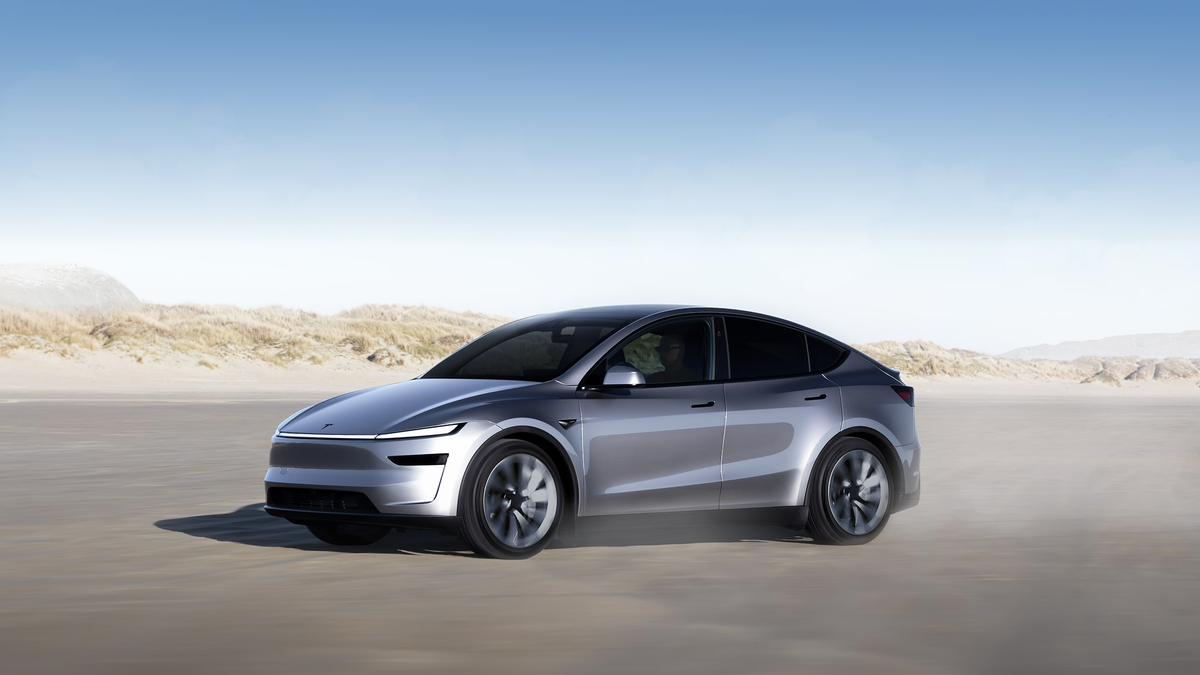
For Tesla Model Y towing, Trailer Mode must always be active. Do not assume the headline 3,500-pound figure applies to every seating, passenger and tire configuration. Verify the manual table for the exact car, include cargo and tongue load, expect longer stopping distance, and plan for lower real-world range.
30-Second Brief
- This Owner Brief is dated November 12, 2026 in America/Los_Angeles and summarizes current standing Tesla guidance; it is not a tow-package launch.
- The current North American manual lists up to 3,500 lb for specified five-seat configurations, but six- and seven-seat limits can fall as passenger count and wheel configuration change.
- Trailer Mode must always be active. Tesla says not to rely only on automatic detection.
- Automatic Emergency Braking may be limited in Trailer Mode, automatic steering interventions are disabled, and stopping distance may increase.
- For loaded trailers above 1,650 lb, Tesla recommends a separate braking system with an independent controller, subject to local rules.
- Towing increases weight and drag, so range can decrease significantly and Trip Planner estimates can differ from actual consumption.
What Happened
Seasonal travel and outdoor trips make Model Y towing guidance useful even when there is no new hardware announcement. Tesla’s current North American manual now presents separate tables for five-, six- and seven-seat vehicles, then links those limits to passenger count, wheel and tire fitment, tongue weight and the vehicle’s gross weight rating.
This article enters the mandatory fallback ladder after more than five no-publication hours while the Los Angeles daily count remains below four. It is a current owner reference, not a claim that Tesla changed these limits today.
What Is Confirmed
- Receiver and carrier limit: Tesla describes a 2 x 2 inch receiver and a 160 lb maximum vertical load for an accessory carrier, including the carrier’s own weight.
- Trailer capacity: the manual lists up to 3,500 lb and 350 lb tongue weight for specified five-seat configurations, but the six- and seven-seat tables reduce limits in several passenger and wheel combinations.
- Tongue load: Tesla says the load should be approximately 4–10% of total trailer weight and must stay within the configuration-specific maximum.
- Mode behavior: connecting trailer wiring in Park can engage Trailer Mode, but Tesla requires the driver to confirm it is active before towing.
- Assistance limits: automatic steering interventions are disabled, AEB braking force may be limited, and some self-driving and rear parking functions may be unavailable.
- Brakes and range: Tesla recommends a separate braking system above 1,650 lb loaded weight and says towing can significantly reduce range.
What Remains Unconfirmed
No single towing number applies to every Model Y. The reviewed North American manual is for the current Model Y manual path and does not prove identical limits for every model year, market, wheel, tire or seating configuration. The hitch label, vehicle manual, trailer label and local law must all be checked before use.
Trip Planner may adjust estimates in Trailer Mode, but Tesla does not promise a fixed range penalty. Weather, speed, grade, trailer shape, load, tires and climate use can materially change consumption.
Why It Matters
The common mistake is treating a maximum figure as a universal entitlement. Passenger and cargo weight consume part of the vehicle’s capacity, tongue load acts on the tow vehicle, and rear-heavy trailers can sway. The correct number is the lowest applicable limit across the exact vehicle, hitch, trailer, tires and law.
Trailer Mode also changes how driver-assistance systems behave. A driver who assumes normal AEB, steering intervention or parking-sensor behavior may leave too little stopping and maneuvering margin.
What Tesla Owners Should Know
- Open the exact in-car manual. Match seating, passengers, wheels and tires before using a capacity figure.
- Weigh the complete setup. Include trailer, cargo, accessories and tongue load; do not estimate only from an empty-trailer label.
- Confirm Trailer Mode. Verify the blue status and investigate yellow or red trailer icons before moving.
- Check lights and chains manually. Tesla says the driver remains responsible for the electrical connection, lighting and secure safety chains.
- Use a wider driving margin. Slow down, increase following distance, avoid sudden maneuvers and make wider turns.
- Plan charging conservatively. Use Trailer Mode and Trip Planner, but keep reserve for weather, grade and drag.
- Follow local rules. Brake-controller, speed, weight and licensing requirements vary by jurisdiction.
Tesstudio Analysis
Tesstudio scores this Owner Brief at 74.6. Authority and factual confidence are high because the limits, warnings and mode behavior come from Tesla’s current manual and support page. Event magnitude is lower because this is standing owner guidance rather than breaking news.
The decision rule is simple: confirm the exact table, keep Trailer Mode active, and plan braking and charging for a heavier, less aerodynamic vehicle-trailer combination. The maximum published number should never replace the configuration-specific checks.
Related Tesla News Resources
No Related Gear module is included. Safe towing depends on the vehicle, approved tow package, trailer, load and jurisdiction; no Tesstudio accessory is required to follow this guidance.
Sources & Reporting Notes
- Tesla Model Y Owner’s Manual — Towing and Accessories — primary capacity tables, tire and tongue-load rules, Trailer Mode behavior, driving warnings, trailer-brake guidance and range impact.
- Tesla Support — Model Y Tow Package — primary package description, receiver limit, seven-pin connection, Trailer Mode FAQ and range boundary.
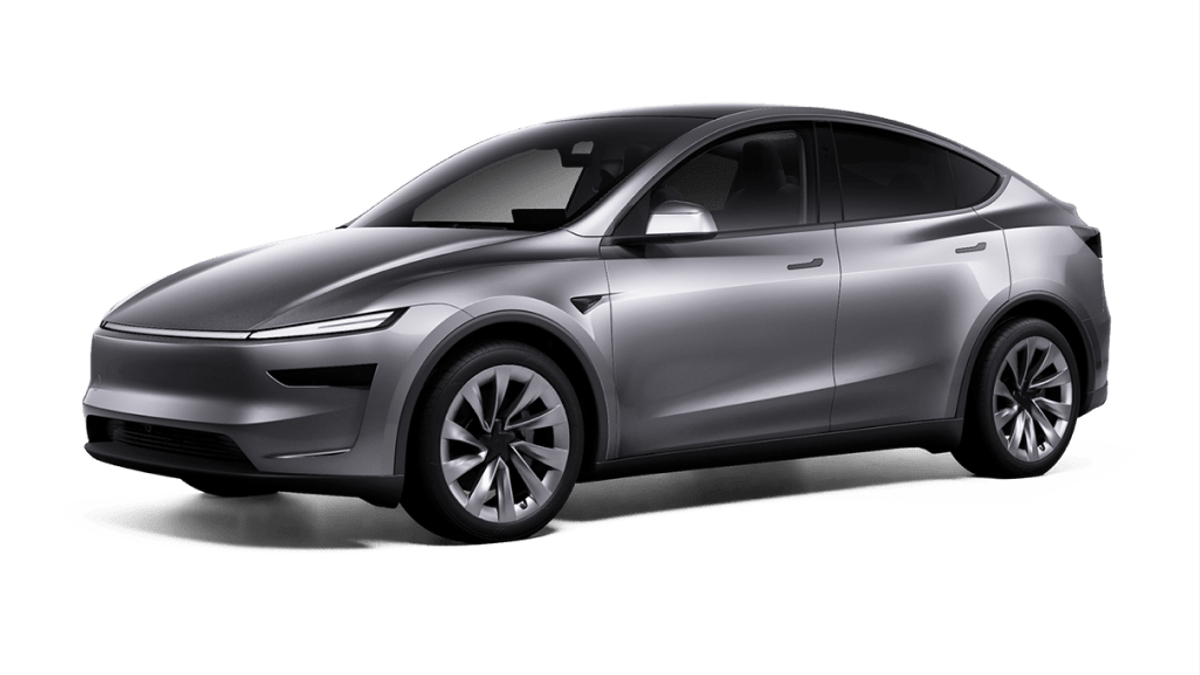
Reporting note: All operating and capacity claims are limited to Tesla’s current North American Model Y documentation. Both visuals are official Model Y product images reused as clearly labeled vehicle context; neither shows a trailer, hitch installation or a specific towing configuration.
Update & Correction Log
November 12, 2026: Initial Owner Brief. The article avoids a universal towing-capacity claim, separates accessory-carrier load from trailer tongue weight, and preserves Tesla’s assistance-system and range warnings.


댓글 남기기
이 사이트는 hCaptcha에 의해 보호되며, hCaptcha의 개인 정보 보호 정책 과 서비스 약관 이 적용됩니다.