
Owner Explainer: How to Transport a Tesla Model 3 Without Wheel Damage
Owner Explainer · Official Tesla Safety Guidance
For Tesla Model 3 towing, Tesla says all four tires must stay off the ground. The recommended method is flatbed transport. Tesla Tow Mode only permits slow, short movement for winching or repositioning; it does not make wheel-on-ground towing safe. Use Tesla Roadside Assistance or a provider that will follow the current manual.
30-Second Brief
- This is a dated Owner Explainer based on Tesla documentation accessed August 23, 2026; it is not a claim that Tesla announced a new towing rule today.
- Tesla says a Model 3 must be transported with all four tires off the ground because spinning wheels can generate power, heat and damage.
- A flatbed truck or comparable transporter is Tesla’s recommended method.
- If a flatbed is unavailable, Tesla permits a wheel-lift-and-dolly method within the manual’s stated distance and speed limits.
- Tow Mode is for loading or short repositioning. It is not permission to tow the car along a road with its tires spinning.
What Happened
Tesla’s current Model 3 manual gives a direct answer for an owner facing a breakdown, collision or depleted battery: the car should be moved using an approved all-wheels-off-ground method. The manual recommends a flatbed and defines a narrow role for Tow Mode while loading.
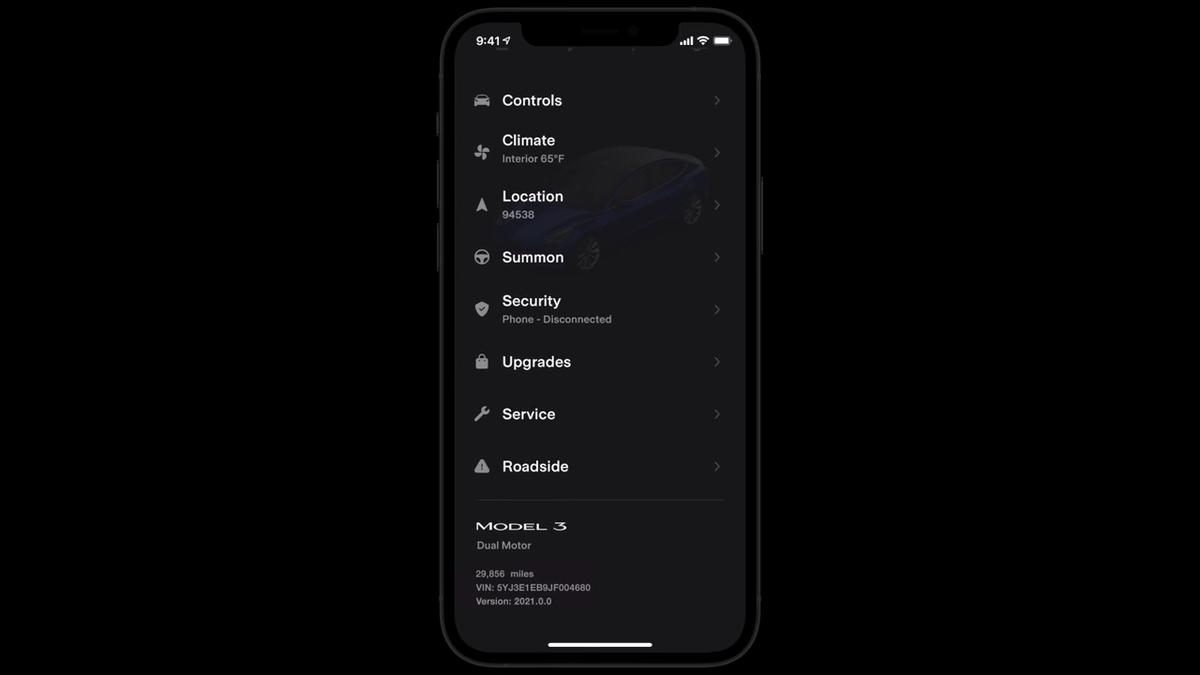
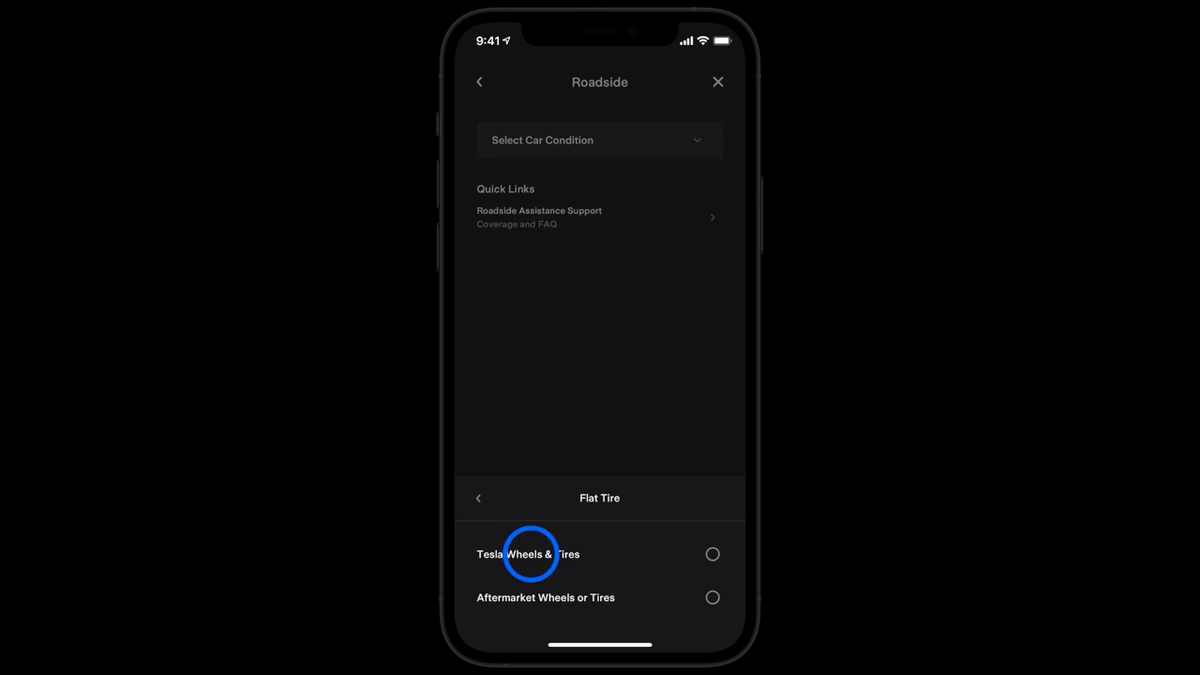
Tesla’s Roadside page provides the request path in the app and warns that coverage, restrictions and charges depend on the situation. Owners should separate the transport method from payment coverage: a safe loading method is required even when a particular tow is not financially covered.
What Is Confirmed
- All four tires off the ground: Tesla says the Model 3 motors generate power when the wheels spin, creating a risk of damage and overheating during improper transport.
- Flatbed preferred: A flatbed truck or comparable transport vehicle is Tesla’s recommended method.
- Dolly alternative: When a flatbed is unavailable, Tesla permits front wheel lifts with rear dollies, subject to a maximum 35 miles (55 km) and the dolly manufacturer’s speed rating.
- Tow Mode boundary: Tesla limits Tow Mode movement to under 5 mph (8 km/h) and less than 30 feet (10 meters), for winching or short repositioning.
- Roadside request: Tesla says owners can open the Tesla app, select Roadside, choose the issue, confirm details and request help.
- Collision caution: Tesla says a damaged vehicle’s high-voltage components should be treated as energized until qualified emergency professionals evaluate them.
What Remains Unconfirmed
The documentation does not establish that every tow or roadside call is free. Tesla lists different mileage caps, eligibility conditions, restricted-road limitations and paid services; coverage is determined for the specific request.
This article covers the current U.S. Model 3 manual. Other Tesla models, older vehicles and regional manuals can use different control names, limits or procedures. The transporter should check the exact vehicle’s touchscreen manual or current Tesla web manual before loading.
Why It Matters
An electric drive unit can be damaged when the wheels turn during an unapproved tow. Tesla’s instruction is therefore more specific than simply choosing a tow truck: the provider must keep all four wheels from spinning during road transport.
Tow Mode can also be misunderstood. Its name sounds broader than its function. In Tesla’s manual, it releases the parking brake for controlled loading or very short movement, while the flatbed or dolly system provides the actual transport.
What Tesla Owners Should Know
- Move out of danger first. If the vehicle is in an unsafe location, contact emergency services before arranging routine roadside help.
- Request the correct truck. Ask for a flatbed or an all-wheels-off-ground method that follows the exact Model 3 manual.
- Do not approve wheel-on-ground towing. Front-only or rear-only lifting without dollies does not keep all four tires off the ground.
- Use Tow Mode only for loading. In Park, secure the vehicle, hold the brake and open Controls > Service > Towing, then follow the on-screen requirements.
- Keep a key available. The manual says Tow Mode requires key detection, and the car must not remain connected to a charger.
- Tell the provider about loss of low-voltage power. Without touchscreen access, Tesla directs transporters to approved dollies or tire skates and separate low-voltage procedures.
- Confirm coverage before dispatch. Ask what mileage, destination and charges apply to the specific roadside request.
Tesstudio Analysis
The safest owner script is short: “Please use a flatbed, keep all four Model 3 tires off the ground and follow Tesla’s current transporter instructions.” That removes ambiguity before a truck arrives.
Owners should screenshot the current manual page or share its link with a third-party provider. The critical distinction is that Tow Mode helps load the car; it does not replace the transport equipment required to keep the wheels from spinning.
Related Tesla News Resources
Follow the Tesstudio Tesla News hub for verified Tesla owner and service guidance. No Related Gear placement is included because safe transport depends on professional equipment and the vehicle-specific manual.
Sources & Reporting Notes
- Tesla Model 3 Owner’s Manual: Instructions for Transporters — primary safety and loading instructions, accessed August 23, 2026.
- Tesla Support: Roadside Assistance — request steps, services and coverage limitations.
- Tesla Video Guide: Roadside in the Tesla App — official source video used for both attributed visual frames.
Reporting note: All transport and safety statements are taken from Tesla primary documentation. App video frames illustrate the request flow and are not presented as a guarantee that every current app screen is identical.
Update & Correction Log
August 23, 2026: Initial Owner Explainer. Model 3 transport limits, Tow Mode boundaries and Roadside coverage caveats are stated separately.


コメントを書く
このサイトはhCaptchaによって保護されており、hCaptchaプライバシーポリシーおよび利用規約が適用されます。