
Verified Brief: Researchers Flag Starlink Traffic in 105-Country Ad-Surveillance Data
Verified Brief · Primary Security Research + Reuters Investigation

A Starlink privacy study found that an ad-tech actor labeled SHADOW-EARTH-79 was the top winning bidder on observed Starlink traffic in 105 countries. Separate AdFection spyware research shows why invasive ad bidding can create real risk, but the evidence does not mean every Starlink user was infected or that Starlink participated in the activity.
30-Second Brief
- TrendAI published its underlying study on October 15, 2026; Reuters reported additional attribution and interviews on October 27.
- TrendAI says SHADOW-EARTH-79 ranked first in observed winning bids on Starlink traffic across 105 countries.
- The actor accounted for 12.9% of observed winning Starlink ad events in the test data, versus a 2.6% baseline share.
- Citizen Lab separately documented Discover-Tech's role in ad-based profiling and a confirmed zero-click spyware infection chain involving Al Jazeera devices.
- Neither report proves that every Starlink user, country or ad impression resulted in identification or infection.
What Happened
TrendAI analyzed real-time advertising-bid data and reported an unusually concentrated pattern around IP space associated with Starlink. Its October 15 study labels the actor SHADOW-EARTH-79 and says the actor was the number-one winning bidder on observed Starlink traffic in 105 countries.
Reuters published a follow-up investigation on October 27 that linked the activity to Discover-Tech; PPC Land's report on the investigation preserves the attribution and Starlink-specific metrics. Citizen Lab's separate October 15 report provides technical context: it documents how Discover-Tech used advertising infrastructure for profiling and reports a confirmed zero-click spyware infection chain in a specific Al Jazeera case.
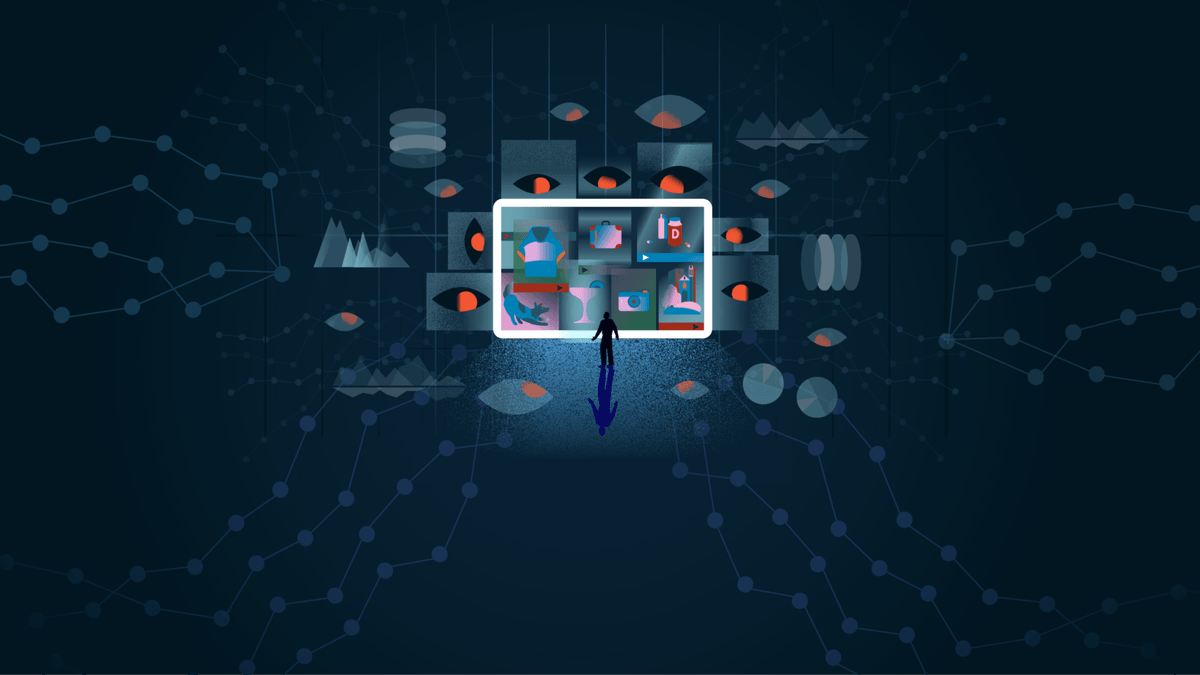
What Is Confirmed
- Observed concentration: TrendAI measured 66,208 winning Starlink ad events for SHADOW-EARTH-79 in its table, equal to 12.9% of the observed total.
- Country breadth: TrendAI says the actor ranked first on observed Starlink traffic in 105 countries, with geolocation caveats stated in the report.
- Ad-data exposure: real-time ad bidding can expose IP, location, device and identifier data to bidders that the user never directly engages.
- Independent technical record: Citizen Lab documented Discover-Tech's advertising infrastructure and confirmed an AdFection spyware infection chain involving Al Jazeera devices.
- Industry response: Citizen Lab says Google and IAB Europe removed Discover-Tech from vendor registries, and several platforms suspended or blocked related access.
What Remains Unconfirmed
TrendAI's public report does not name Discover-Tech; Reuters supplies that attribution through interviews and additional reporting. Tesstudio therefore treats the actor identification as Reuters-reported, not as a direct TrendAI statement.
An ad bid, impression or contact with profiling infrastructure does not by itself prove a person was selected for hacking or infected with spyware. Citizen Lab explicitly warns against making that jump. The evidence also does not show that SpaceX or Starlink operated, approved or knowingly assisted the alleged surveillance activity.
Why It Matters
Starlink is used in remote, restricted and conflict-affected regions where terrestrial networks may be unavailable. That makes metadata associated with Starlink traffic potentially valuable to an actor seeking to locate or profile people.
The broader issue is the advertising supply chain. Real-time bidding can distribute device and network data to many parties before an advertisement is displayed. A satellite connection does not remove that browser- and app-level exposure.
What Tesla Owners Should Know
- No Tesla vehicle action is required. This is a Starlink and digital-advertising security story, not a Tesla recall or software notice.
- Reduce invasive advertising. Use reputable content blocking, privacy-focused browsers and strict app-tracking controls where available.
- Keep devices updated. Browser, operating-system and app patches still matter even when the internet connection is delivered by satellite.
- Separate privacy tools. A VPN can hide browsing traffic from some network observers but does not automatically stop app identifiers, cookies or malicious ad scripts.
- High-risk users need tailored guidance. Journalists, activists, officials and people in conflict zones should follow organizational security advice rather than relying on one generic checklist.
Were Starlink users in 105 countries infected with spyware?
The public evidence does not support that blanket claim. TrendAI observed an actor winning an unusually large share of ad auctions on Starlink traffic in 105 countries. Citizen Lab confirmed a specific AdFection infection chain elsewhere, but an observed bid or impression is not proof that every Starlink user was identified or infected.
Tesstudio Analysis
This event scores 82.8. Source authority and evidence depth are strong because two independent research teams published readable technical records and Reuters added current investigative reporting. The score is constrained by attribution and victim-level uncertainty.
Our view: the strongest verified claim is a large, abnormal bidding pattern on observed Starlink traffic. The weakest—and unacceptable—claim would be that every user in 105 countries was hacked. Keeping those statements separate is essential.
Related Tesla News Resources
Follow the Tesstudio Tesla News hub for verified Starlink, SpaceX, Tesla and xAI updates. No Related Gear is included because this security research has no strong match to Tesstudio's vehicle-accessory catalog.
Sources & Reporting Notes
- TrendAI Research: Invasive Ads — primary October 15 study with the Starlink-specific bidding tables and methodology.
- Citizen Lab: Exposing AdFection — independent October 15 technical report on Discover-Tech, profiling and confirmed spyware delivery in a specific case.
- PPC Land: report on Reuters' Starlink investigation — October 27 coverage preserving the Reuters attribution, technical boundaries and source responses.
Reporting note: TrendAI's observed actor label and metrics are reported as research findings. Discover-Tech attribution is identified as Reuters-reported. Citizen Lab's confirmed infection evidence is not generalized to every Starlink user. Images are attributable research visuals resized without generative alteration.
Update & Correction Log
October 27, 2026: Initial publication. The brief distinguishes observed ad bidding and profiling from confirmed device infection, preserves geolocation caveats and makes no claim of Starlink complicity.



コメントを書く
このサイトはhCaptchaによって保護されており、hCaptchaプライバシーポリシーおよび利用規約が適用されます。