
Tracker Brief: SpaceX Launches 27 Starlink Satellites on October 23
Tracker Brief · Official Launch Result + Independent Ledger
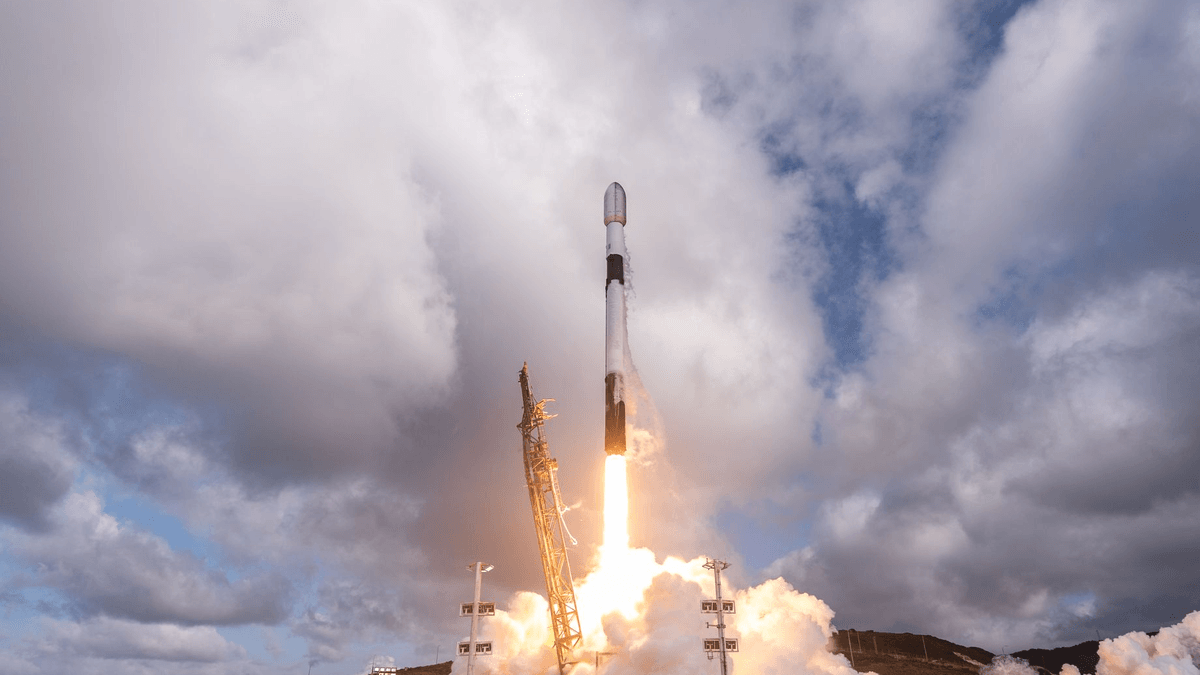
The Starlink 15-15 launch lifted off on October 23, 2026 at 22:48 UTC from Vandenberg SLC-4E. SpaceX says Falcon 9 carried 27 satellites to low-Earth orbit and the first stage completed its 36th-flight droneship landing.
30-Second Brief
- SpaceX says Falcon 9 launched 27 Starlink satellites on Friday, October 23 at 3:48 p.m. PT, or 22:48 UTC.
- The mission departed from SLC-4E at Vandenberg Space Force Base in California.
- SpaceX says the first stage completed its 36th flight and landed on the Of Course I Still Love You droneship.
- SpaceNexus independently records the launch as flown and successful; the FAA had listed the October 23 airspace window.
- The records do not establish that every satellite is operational or change any customer’s service availability.
What Happened
After earlier schedule changes, Starlink 15-15 launched from California on October 23. SpaceX’s updated mission page now uses completed-event wording for liftoff and the booster landing, while SpaceNexus records the 22:48 UTC liftoff and a successful outcome.
A public Spaceflight Now launch video provides an independent visual record. It is linked rather than downloaded or rehosted.
What Is Confirmed
- Launch time: October 23 at 3:48 p.m. PT, or 22:48 UTC.
- Payload: SpaceX says Falcon 9 launched 27 Starlink satellites to low-Earth orbit.
- Launch site: SLC-4E at Vandenberg Space Force Base in California.
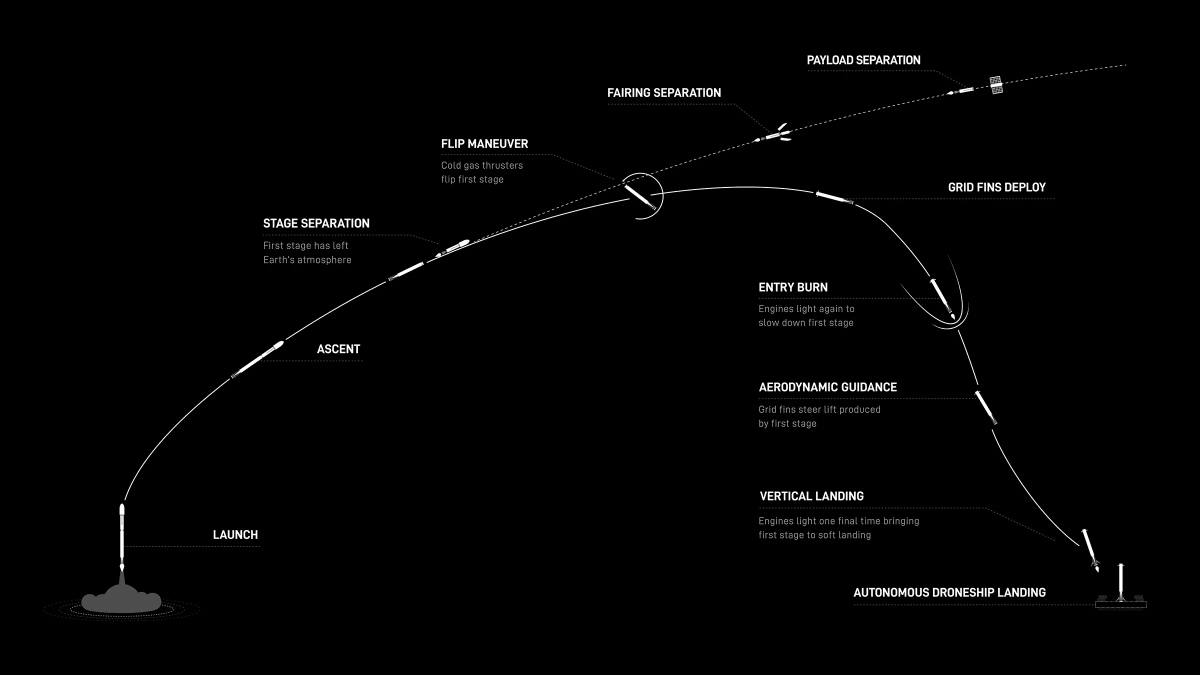
- Booster result: SpaceX says the first stage completed its 36th flight and landed on Of Course I Still Love You.
- Independent ledger: SpaceNexus records liftoff at 22:48 UTC and a successful outcome.
- FAA coordination: FAA Advisory 081 listed the October 23 launch/reentry window for Starlink 15-15.
What Remains Unconfirmed
The sources reviewed here do not establish that every satellite is operational, has reached its final service orbit or is already increasing capacity for a particular customer location. SpaceX’s timeline lists satellite deployment at T+1:02:04, but this brief does not convert that planned timeline entry into a broader service-performance claim.
No source reviewed links the mission to a Starlink price change, address-level availability change, or a Tesla vehicle, charging or software update.
Why It Matters
The flight adds another 27 satellites to SpaceX’s launch record and extends the reuse history of the mission’s first stage to 36 flights. The completed landing is a measurable operational result, while the effect on network service requires separate evidence.
The mission also shows why Tracker Briefs must be updated after launch: a schedule-only page became stale once the official source changed from targeting language to completed-event language.
What Tesla Owners Should Know
- No vehicle action is required. This is a SpaceX launch result, not a Tesla recall, software notice or charging change.
- Do not infer service availability. A successful launch does not prove Starlink availability at a specific address.
- Use the official mission record. It is the primary source for the launch time, payload and booster landing.
- Separate deployment from operation. Satellite operation and final-orbit status need later telemetry or company confirmation.
- No Related Gear is included. The mission has no strong verified match to Tesstudio’s vehicle-accessory catalog.
Did SpaceX launch Starlink 15-15 successfully?
Yes. SpaceX says Falcon 9 launched 27 Starlink satellites from Vandenberg at 22:48 UTC on October 23 and the first stage landed on Of Course I Still Love You. SpaceNexus independently records the outcome as successful.
Tesstudio Analysis
This Tracker Brief scores 76.6. The official SpaceX page establishes the launch and landing, the FAA supplies the regulatory window, SpaceNexus independently records the outcome, and Spaceflight Now supplies a public launch video. The score remains below the normal new-publication band because this was a routine constellation mission and downstream service impact is not yet established.
It qualifies under mandatory fallback: the Los Angeles daily count was below four after more than five hours without a publication, and policy allows a new score-70–79 Tracker Brief with narrow wording and hard evidence boundaries.
Related Tesla News Resources
Follow the Tesstudio Tesla News hub for verified SpaceX, Starlink, Starship, Tesla and xAI updates. Future updates should be limited to authoritative satellite-deployment or service-impact evidence.
Sources & Reporting Notes
- SpaceX: Starlink 15-15 mission page — primary source for the launch, payload, site, booster flight count and landing.
- FAA: October 22 Operations Plan Advisory 081 — primary regulatory record for the October 23 airspace window.
- SpaceNexus: Starlink 15-15 launch ledger — independent record of liftoff time and successful outcome.
- Spaceflight Now: Starlink 15-15 launch video — independent public video record.
Reporting note: SpaceX’s launch and landing statements are treated as company-reported primary evidence. This brief does not claim every satellite is operational or that customer service changed.
Update & Correction Log
October 24, 2026: Initial publication covering the October 23 launch result. The article distinguishes the official launch and landing from unverified satellite-operational and service-impact claims.




コメントを書く
このサイトはhCaptchaによって保護されており、hCaptchaプライバシーポリシーおよび利用規約が適用されます。