
Owner Explainer: Tesla Tire Rotation Timing and the 2/32-Inch Rule
Owner Explainer · Official Maintenance Guidance
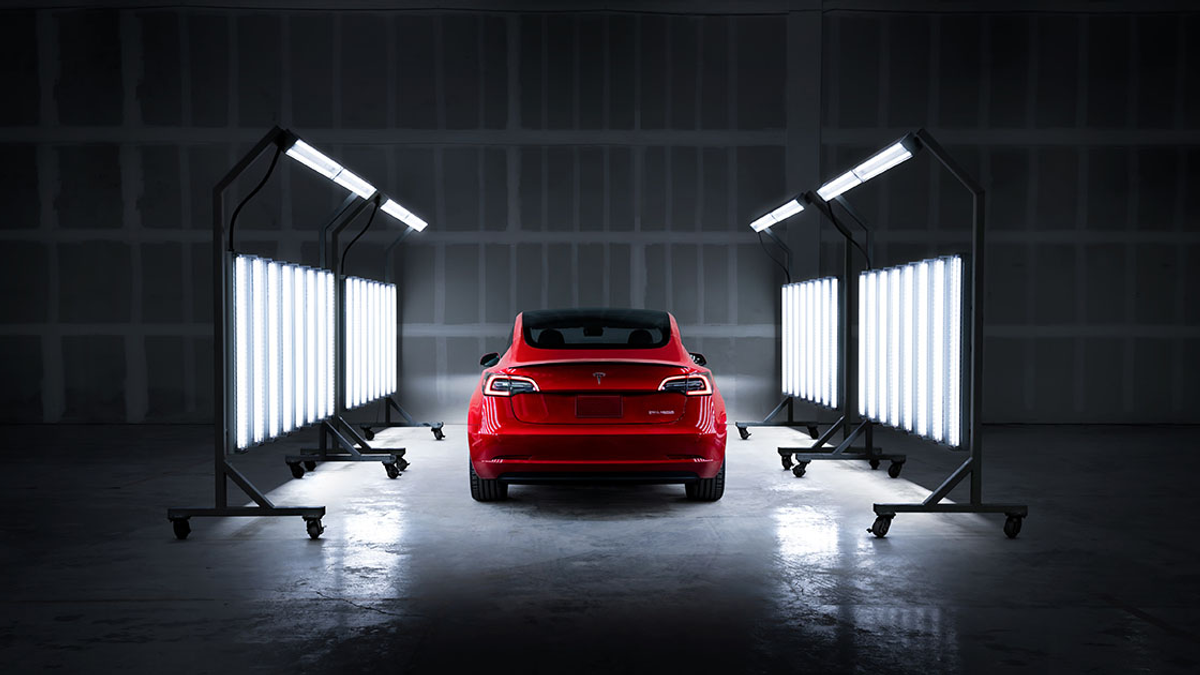
Tesla recommends a Tesla tire rotation every 6,250 miles or when the tread-depth difference reaches 2/32 inch, whichever comes first. That tread difference is a rotation trigger, not the same thing as saying every tire is worn out. Owners should also use the door-jamb label for cold tire pressure and check the vehicle-specific manual before choosing a rotation pattern.
30-Second Brief
- This is a maintenance explainer based on current Tesla and NHTSA guidance, not a claim that Tesla announced a new tire rule today.
- Tesla's published interval is every 6,250 miles or at a 2/32-inch tread-depth difference, whichever happens first.
- The 2/32-inch figure in this rule compares wear between tires. It should not be confused with a universal replacement threshold.
- Tesla says the Maintenance Summary can show the next rotation and record completed work on supported vehicle software.
- Vibration, pulling, visible damage or pressure loss calls for inspection; rotation alone is not a diagnosis or repair.
What Happened
Quiet news hours are a useful time to answer an owner question that recurs across Tesla models: when is a tire rotation actually due? Tesla's current Vehicle Maintenance page gives two triggers rather than a mileage-only rule. Owners should rotate at 6,250 miles, or sooner when the tread-depth difference between tires reaches 2/32 inch.
The distinction matters because electric-motor torque, regenerative deceleration, alignment, pressure, road surface and driving style can create uneven wear before the odometer reaches a fixed interval. Tesla says aggressive driving can require more frequent tire service.
What Is Confirmed
- Rotation interval: Tesla recommends every 6,250 miles or a tread-depth difference of 2/32 inch, whichever comes first.
- Maintenance record: Tesla says owners can open Controls > Service > Maintenance on the touchscreen to view and record maintenance actions when the feature is available.
- Balance and alignment are separate: Tesla associates steering-wheel vibration with a possible balancing need, and uneven wear or pulling with a possible alignment need.
- Pressure is vehicle-specific: Tesla directs owners to the tire-and-loading label on the center door pillar and says pressure should be checked when tires are cold.
- Monthly inspection is useful: NHTSA recommends recurring checks of inflation, treadwear and damage, together with rotation, balance and alignment as applicable.
What Remains Unconfirmed
No single rotation pattern applies to every Tesla wheel-and-tire setup. Directional tires, staggered front and rear sizes, winter sets and aftermarket equipment can restrict which positions can be exchanged. The correct pattern comes from the vehicle-specific owner's manual and tire markings.
A rotation does not prove that vibration, pulling, pressure loss or abnormal wear has been fixed. Those symptoms may involve balancing, alignment, a puncture, wheel damage, suspension or another condition. This explainer also does not estimate tire life, replacement price or warranty coverage for a specific vehicle.
Why It Matters
Uneven wear can shorten useful tire life and affect noise, handling and efficiency. Measuring tread at multiple positions makes the rotation decision evidence-based rather than calendar-based. The 2/32-inch difference rule is especially useful for owners who drive fewer miles but see one axle or shoulder wearing faster.
The rule also prevents a common misunderstanding: a 2/32-inch difference between tires is not identical to each tire having only 2/32 inch of tread remaining. One compares relative wear; the other is an absolute tread measurement. NHTSA and Tesla both advise inspection when wear, damage or performance changes are present.
What Tesla Owners Should Know
- Check the Maintenance Summary. Open Controls > Service > Maintenance and note the last recorded rotation and current recommendation.
- Measure all four tires. Use a tread-depth gauge at the inner, center and outer grooves. Record the lowest safe, repeatable measurement for comparison.
- Use both triggers. Schedule rotation at 6,250 miles or once the difference reaches 2/32 inch, whichever comes first.
- Confirm the rotation pattern. Check the vehicle-specific manual and tire sidewall before moving directional or staggered tires.
- Check pressure cold. Use the pressure printed on the driver-door tire-and-loading label, not a generic internet number or the maximum molded into the sidewall.
- Escalate symptoms. If a tire loses air, shows a bulge or cut, vibrates, makes unusual noise or changes vehicle handling, reduce speed and obtain a qualified inspection rather than assuming rotation is sufficient.
- Record completed work. After service, update the Maintenance Summary accurately; Tesla notes that the owner remains responsible for records, including work by independent repairers.
Tesstudio Analysis
Tesstudio scores this owner explainer at 71.5. The maintenance rule is supported by readable Tesla primary documentation and reinforced by NHTSA's tire-care guidance. The score remains below the normal new-news threshold because there is no same-window product announcement; it qualifies only under the mandatory fallback policy as a current, evidence-based owner explainer.
The most actionable insight is to track tread difference, not mileage alone. A quick measurement at regular pressure checks can reveal uneven wear early, while the vehicle-specific manual prevents owners from applying an incompatible rotation pattern.
Sources & Reporting Notes
- Tesla Vehicle Maintenance — primary source for the 6,250-mile and 2/32-inch triggers, balance/alignment symptoms and Maintenance Summary workflow.
- Tesla Tire Repair and Maintenance — primary source for cold-pressure checks, damage response and tire-service options.
- Tesla Model 3 Owner's Manual: Tire Care and Maintenance — primary vehicle-manual context for rotation limits and configuration-specific patterns.
- NHTSA TireWise — public safety guidance on pressure, treadwear, damage, rotation, balance and alignment.
Reporting note: This is a dated owner explainer published on August 19, 2026 in America/Los_Angeles after the hourly fallback threshold was reached. It does not present the underlying maintenance guidance as a new announcement. Tesla photographs illustrate service context and are not images of a diagnosed tire condition.
Update & Correction Log
August 19, 2026: Initial publication. The article separates relative tread-depth difference from absolute remaining tread and avoids prescribing one rotation pattern for every configuration.


Laisser un commentaire
Ce site est protégé par hCaptcha, et la Politique de confidentialité et les Conditions de service de hCaptcha s’appliquent.