
Tesla Says Powerwall Is Becoming Essential in 2026—Here’s What Homeowners Should Know
Verified Update · PG&E Primary Source + Specialist Corroboration
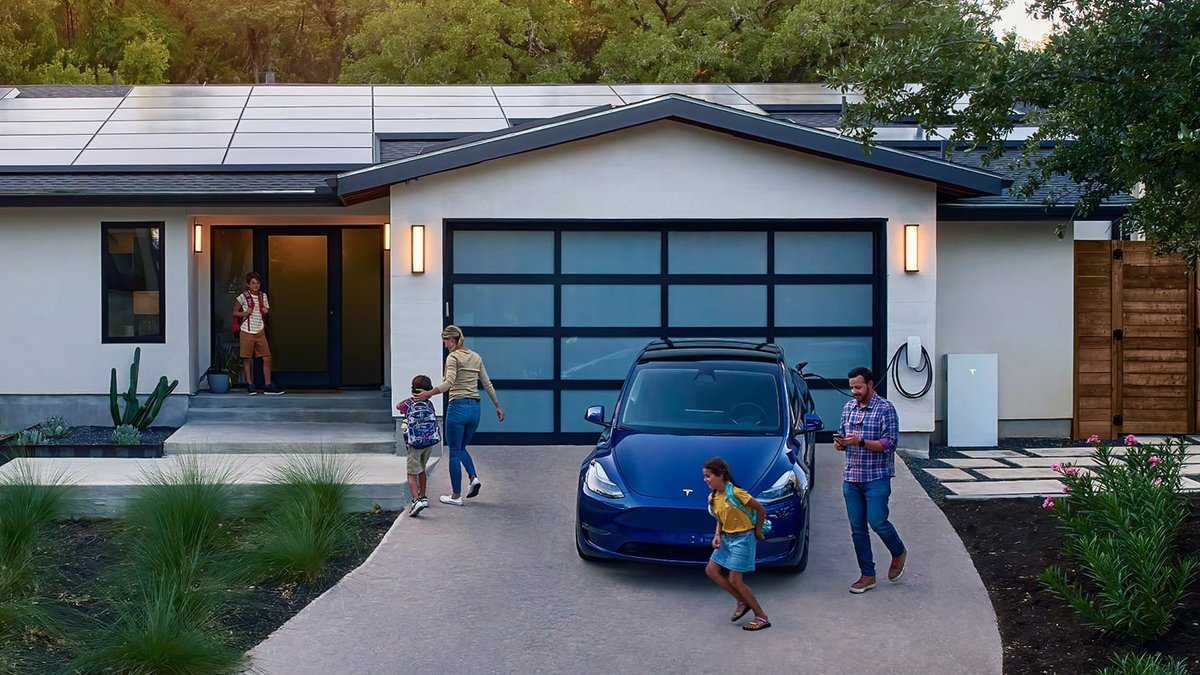
Tesla Powerwall 2026 is being positioned as more than a blackout backup: Tesla’s new explainer emphasizes home battery backup, solar energy storage and shifting household use around time-of-use electricity rates. The product can fit homes with costly peak rates or meaningful outage exposure, but whether it is worth buying requires a local quote and a load-by-load sizing plan.
30-Second Brief
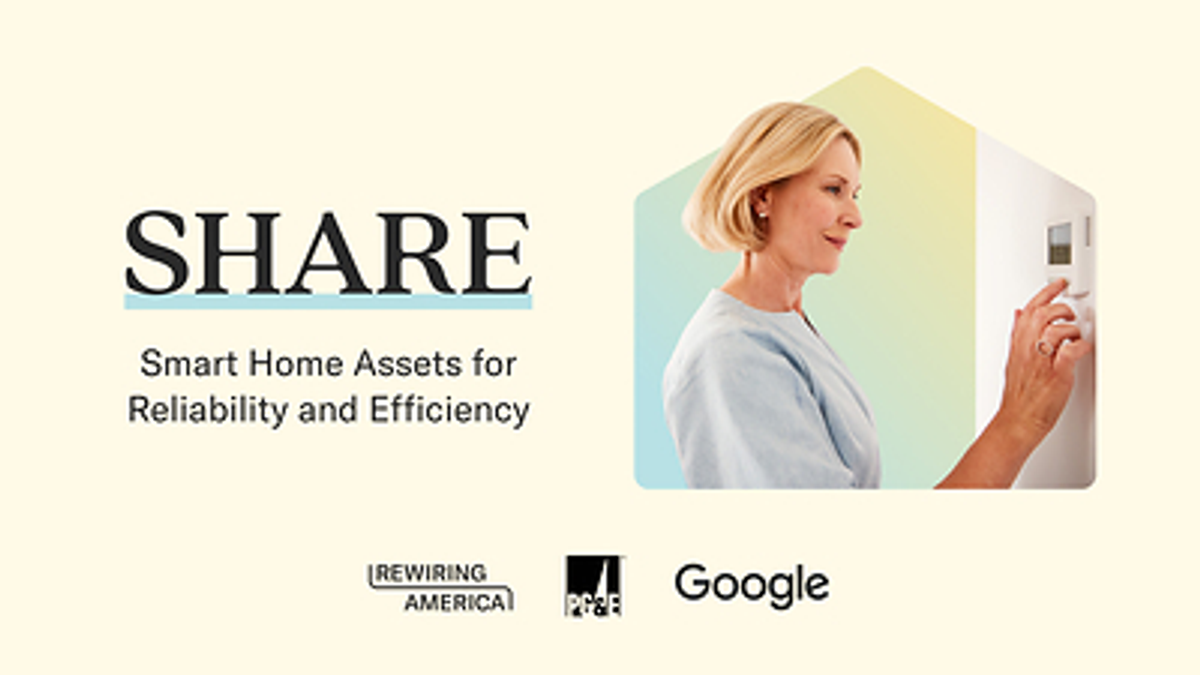
- September 7 update: PG&E says Tesla is one of the partners expected to help enroll nearly 21,000 existing flexible home-energy devices into the new Google-funded SHARE virtual power plant, with grid support targeted as early as fall 2026.
- Tesla published a new Powerwall explainer on August 10, 2026, arguing that home batteries matter more as homes electrify, outages affect households and electricity prices rise.
- Powerwall can store energy from solar or the grid, supply backup power and shift consumption around time-of-use rates; actual operation depends on local rules and system design.
- Tesla says more than one million Powerwall units have been installed worldwide. We treat that as a company-reported figure.
- EIA reported that U.S. electricity customers averaged 11 hours of interruptions in 2024, nearly twice the preceding decade’s annual average; major weather events drove most of those hours.
- There is no universal savings answer. Get an installed-price quote, utility-rate model, incentive check and critical-load plan before buying.
What Happened
Tesla’s August 10 article presents Powerwall as a response to three household energy trends: rising electricity use, grid interruptions and changing electricity prices. The company says the battery can store solar production or lower-cost grid energy, then use that stored energy during outages or more expensive periods.
The timing makes the article useful as a buyer signal rather than a new hardware launch. Tesla is explaining how it wants homeowners to evaluate the existing Powerwall platform: as a system combining resilience, energy-cost management, solar self-consumption and, where available, participation in a Virtual Power Plant.
PG&E announced SHARE on September 3, 2026. The utility says Tesla, Sunrun and Renew Home will help enroll nearly 21,000 existing flexible energy devices, while Google will fund the program. PG&E and Rewiring America plan to begin contacting eligible households in fall 2026; the resource is expected to start supporting the grid as early as that fall and run through 2027.
What Is Confirmed
- Storage sources: Tesla says Powerwall can charge from a compatible solar system or the electrical grid.
- Backup operation: A properly configured system can disconnect the home from the grid during an outage and use stored energy. The loads and duration it can support depend on capacity, power demand and system design.
- Storm Watch: Tesla documents a feature that can charge the battery to maximum capacity when severe weather is detected.
- Time-of-use operation: Tesla describes charging when grid rates are lower and using stored energy when rates are higher.
- Scale: Tesla’s product history says the one-millionth Powerwall was installed in 2025, while the new explainer says more than one million units are now installed worldwide.
- Outage context: EIA found U.S. customers averaged 11 hours without electricity in 2024, with major events accounting for 80% of the duration.
- SHARE program: PG&E says Tesla is among the partners working to enroll nearly 21,000 existing flexible energy devices in a Google-funded Bay Area virtual power plant proof of concept, with support targeted as early as fall 2026.
What Remains Unconfirmed
PG&E has not identified how many of the nearly 21,000 devices will be Tesla Powerwalls, which Tesla customers are eligible, what Tesla participants may earn, or the final dispatch capacity attributable to Tesla equipment. The program remains a proof of concept; fall 2026 is a target, not confirmation that grid dispatch has begun.
Tesla’s article does not prove that Powerwall lowers the bill for every customer, that one unit can back up every home, or that a battery will remain available through every multi-day outage. It also does not provide one nationwide installed price. Labor, electrical upgrades, permits, solar integration, local incentives and utility interconnection can materially change the total cost.
The company’s statement that outage frequency has doubled over the past decade should be read carefully. EIA’s underlying data show substantial year-to-year variation and a strong influence from major weather events. The relevant decision input is the outage history and risk at the buyer’s own address—not only a national average.
Why It Matters
Households are adding loads that make electricity continuity more valuable: heat pumps, induction cooking, electric water heating and EV charging. Tesla argues that stored energy helps homeowners manage the resulting dependence on the grid.
The SHARE announcement turns virtual power plants from an abstract Powerwall use case into a defined Bay Area deployment plan. It also shows why device eligibility, utility territory, enrollment terms and actual compensation matter more to an owner than a headline device count.
For Tesla vehicle owners, the connection is practical. A home battery can coordinate with solar and EV charging, but backup priorities matter. Charging a vehicle can consume energy much faster than refrigerators, lighting and communications equipment. A useful design separates “must-run” loads from “nice-to-run” loads and models how long each battery configuration can support them.
What Tesla Owners Should Know
- Do not assume automatic SHARE eligibility. PG&E and Rewiring America say outreach to eligible Santa Clara and Alameda County households begins in fall 2026. The announcement does not establish universal enrollment for Powerwall owners.
- Start with the problem. Decide whether the priority is outage backup, solar self-consumption, time-of-use savings, Virtual Power Plant participation or a combination.
- Collect 12 months of bills. Record usage, peak-demand rules and the difference between off-peak and peak prices. A small rate spread may produce a very different payback than a large one.
- List critical loads. Include refrigeration, internet, medical devices, heating or cooling, well pumps and the minimum EV miles needed during an outage.
- Request an installed-system quote. Ask about batteries, gateway equipment, electrical-panel work, permits, taxes, incentives, interconnection and warranty terms.
- Model poor-weather days. Solar output can fall when storms cause outages. Ask how the system performs with low solar production and an initially partial state of charge.
- Verify local programs. Virtual Power Plant availability, export compensation and battery incentives vary by utility and region.
Is Tesla Powerwall worth it in 2026?
It is most compelling when a home has frequent or costly outages, a meaningful peak/off-peak rate spread, solar energy that would otherwise be exported at low value, or incentives that reduce the installed cost. It is less compelling when reliability is already high, rates are flat, backup loads are unusually large or installation requires expensive electrical upgrades.
Tesstudio Analysis
Tesstudio scores the SHARE update at 82.2. PG&E provides primary confirmation of the program, partners, target device count, Google funding and planned timing; Energy-Storage.news independently reported the same core facts on September 7. The cleanest treatment is an update to this existing Powerwall guide, not a duplicate event page.
Tesla’s strongest point is that a home battery now has multiple jobs. Backup power alone is insurance; rate shifting and solar optimization can add daily use. But combining benefits does not eliminate the need for arithmetic. The proper comparison is not the battery’s sticker price against a vague promise of savings—it is the full installed cost against a location-specific value stack.
Our view: buyers should demand three outputs before signing—an outage-runtime estimate for critical loads, a year-one bill-impact model using the actual tariff, and a written explanation of what happens if solar production is low. Those answers make the decision measurable and reduce the risk of buying the wrong system size.
Related Tesla News Resources
Follow the Tesstudio Tesla News hub for verified Tesla Energy, vehicle, software and infrastructure updates. This article contains no product placement because Tesstudio’s current vehicle-accessory catalog is not directly relevant to a residential battery purchase.
Sources & Reporting Notes
- PG&E: SHARE virtual power plant announcement — primary September 3, 2026 record for the program, partners, nearly 21,000-device target, Google funding and planned timing.
- Energy-Storage.news: Google, Tesla, Sunrun and PG&E partner on California VPP — independent September 7 specialist coverage.
- Tesla: Powerwall Home Battery Is Becoming Essential for Homeowners — primary August 10 company explainer.
- Tesla: Powerwall product page — current company descriptions of storage, backup, Storm Watch and operating modes.
- U.S. Energy Information Administration: 2024 interruption-duration analysis — independent public data on outage duration and major events.
Reporting note: The SHARE facts are attributed to PG&E and independently corroborated by Energy-Storage.news. Neither source says all 21,000 devices are Tesla products, identifies a Tesla-device count, or confirms participant compensation for Tesla customers. Tesla product descriptions and installation figures remain labeled as company statements.
Update & Correction Log
August 12, 2026: Initial publication. Company-reported figures are labeled, national outage data are separated from household-specific risk, and no universal savings claim is made.
September 7, 2026: Added PG&E’s SHARE announcement and independent specialist corroboration; clarified the nearly 21,000-device target, fall-2026 timing and unresolved Tesla-specific eligibility, device-count and compensation questions. Replaced two generated cards with attributed primary-source visuals.


Laisser un commentaire
Ce site est protégé par hCaptcha, et la Politique de confidentialité et les Conditions de service de hCaptcha s’appliquent.