
Tracker Brief: Starship Flight 15 Targets Nov. 13 for First Double-Catch Attempt
Tracker Brief · Planned Mission · Pending Final Regulatory Approval
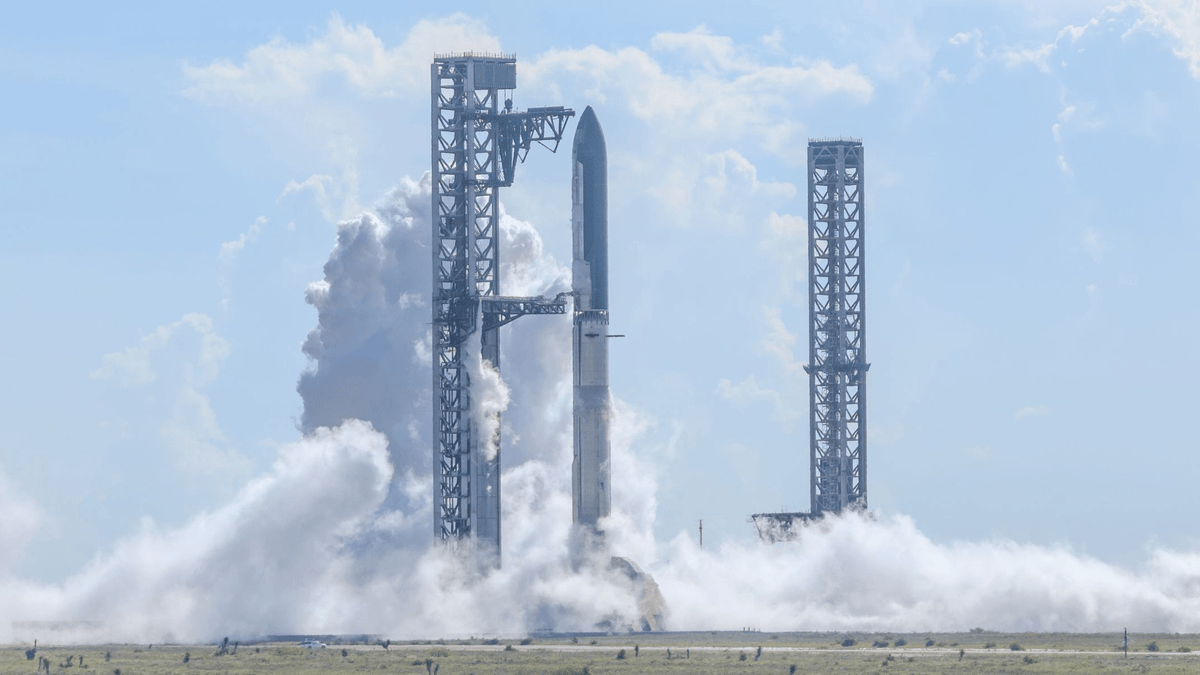
Starship Flight 15 is targeting a November 13, 2026 launch window opening at 22:45 UTC, according to an FAA operations plan and independent launch trackers. SpaceX says the mission is planned to attempt the first return of both Super Heavy and Starship to Starbase for tower catches. The mission remains pending final regulatory approval; this is a planning tracker, not a launch-success report.
30-Second Brief
- FAA's November 9 operations plan lists Starship Flight 15 for November 13, 22:45–00:40 UTC, with a November 14 backup.
- The same primary plan lists a separate Starship reentry period on November 14, with a November 15 backup.
- SpaceX's mission description says Flight 15 is planned to return both Super Heavy and Starship to Starbase for catch.
- Independent launch trackers describe this as the first Ship catch attempt and the first V3 Super Heavy catch attempt.
- The schedule remains pending final regulatory approval and operational readiness. A listed airspace window does not itself prove launch authorization.
What Happened
SpaceX published Flight 15 mission details over the November 7–9 period, and FAA air-traffic planning materials now show launch and reentry windows for the mission. The planned launch window opens Friday, November 13 at 22:45 UTC, or 4:45 p.m. Central Time.
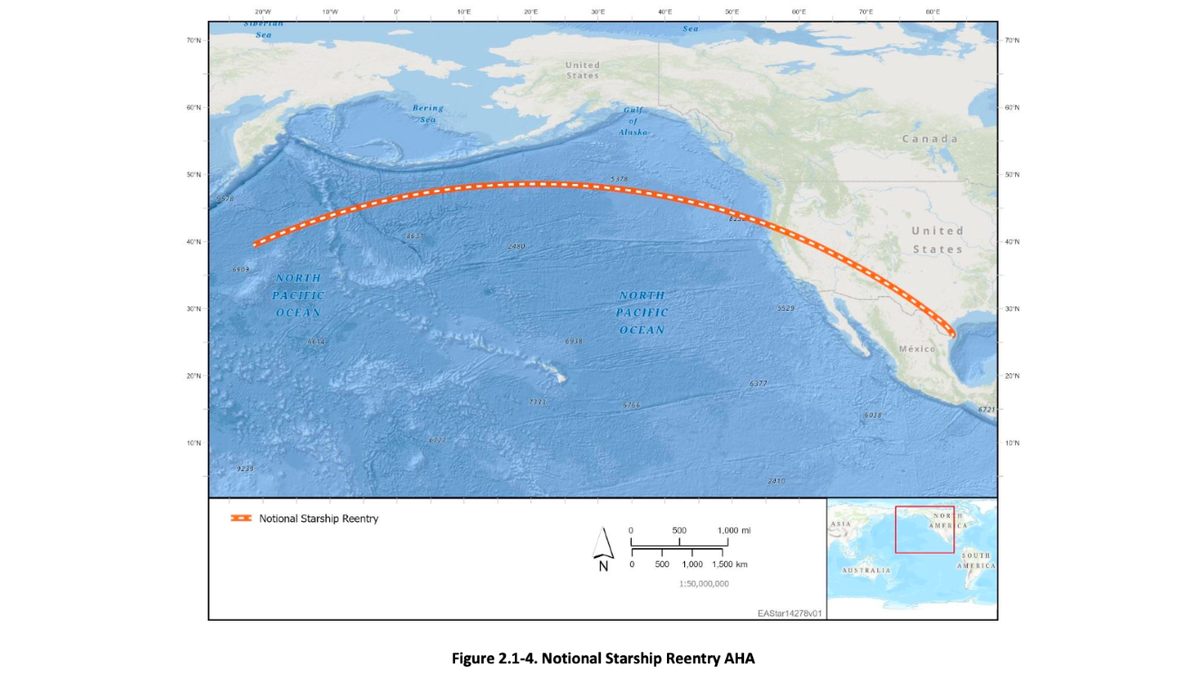
The mission profile is unusually long: SpaceX describes more than 22 hours in flight before a possible Ship return. The company says the vehicle would only return to Starbase if systems needed for reentry, landing burn and tower approach remain healthy.
What Is Confirmed
- FAA planning window: November 13, 22:45–00:40 UTC, with a November 14 backup at the same times.
- Reentry planning: FAA lists November 14, 20:56–00:14 UTC, with a November 15 backup.
- Company-stated objective: SpaceX describes the first planned return of both stages to Starbase for catch.
- Payload plan: SpaceX's mission description says Starship would deploy 26 Starlink V3 satellites.
- Abort boundary: SpaceX says Ship will return to Starbase only if critical systems are healthy.
What Remains Unconfirmed
Final regulatory approval, launch execution and either catch remain unconfirmed. FAA air-traffic planning coordinates possible operations; it is not a public statement that every licensing requirement has been satisfied. Weather, vehicle readiness, range conditions or regulatory timing could move the mission.
The double catch has never been completed. Mission objectives and tracker timelines are plans, not results. Tesstudio will treat launch, deployment and recovery as separate facts only after they occur and are independently verified.
Why It Matters
A successful return of both stages would be a major test of SpaceX's rapid-reuse architecture. The Ship attempt is especially demanding because it follows an orbital-duration mission and a much more energetic reentry than the booster's return.
For Starlink, the mission is also planned to place 26 V3 satellites into orbit. SpaceX says these satellites are intended to add substantially more network capacity, but service impact would depend on successful deployment, checkout and orbit raising.
What Tesla Owners Should Know
- No Tesla vehicle action is required. This is a SpaceX mission tracker.
- Treat times as targets. Recheck official SpaceX and FAA information before travel or viewing.
- Do not infer approval from the window. Planning entries and NOTAMs can precede final launch authorization.
- Separate launch from catch. A launch can proceed even if a return-to-site catch is later waved off.
- Wait for post-event verification. Payload deployment and recovery claims should be confirmed after the relevant milestones.
Tesstudio Analysis
Tesstudio scores this Tracker Brief at 77.5. The FAA window is a readable Tier 0 planning record, while two independent specialist reports corroborate the date and company-stated double-catch plan. The score stays below normal standalone-news publication thresholds because final approval and execution remain pending.
Mandatory fallback publication is appropriate because the item is timely, directly useful and narrowly framed as a planned mission. The durable boundary is simple: scheduled does not mean approved, launched or recovered.
Sources & Reporting Notes
- FAA ATCSCC Operations Plan, November 9, 2026 — primary public planning record for launch and reentry windows.
- SpaceX: Starship Flight 15 — company mission description for planned objectives and return-to-site health checks.
- Space.com: Flight 15 targets November 13 — independent report quoting SpaceX's mission description and window.
- Next Spaceflight: Starship Flight 15 — independent tracker for the planned window, vehicles and approval caveat.
Reporting note: FAA controls the scheduling claim; SpaceX controls statements about mission objectives. Independent sources corroborate the plan. This article does not claim final regulatory approval, launch, deployment or recovery.
Update & Correction Log
November 10, 2026 in America/Los_Angeles: Initial Tracker Brief. Published in mandatory fallback mode with the mission explicitly labeled planned and pending final regulatory approval.



Laisser un commentaire
Ce site est protégé par hCaptcha, et la Politique de confidentialité et les Conditions de service de hCaptcha s’appliquent.