
Owner Explainer: What NHTSA’s Model Y ADAS Pass Does—and Doesn’t—Mean
Owner Explainer · NHTSA Primary Records
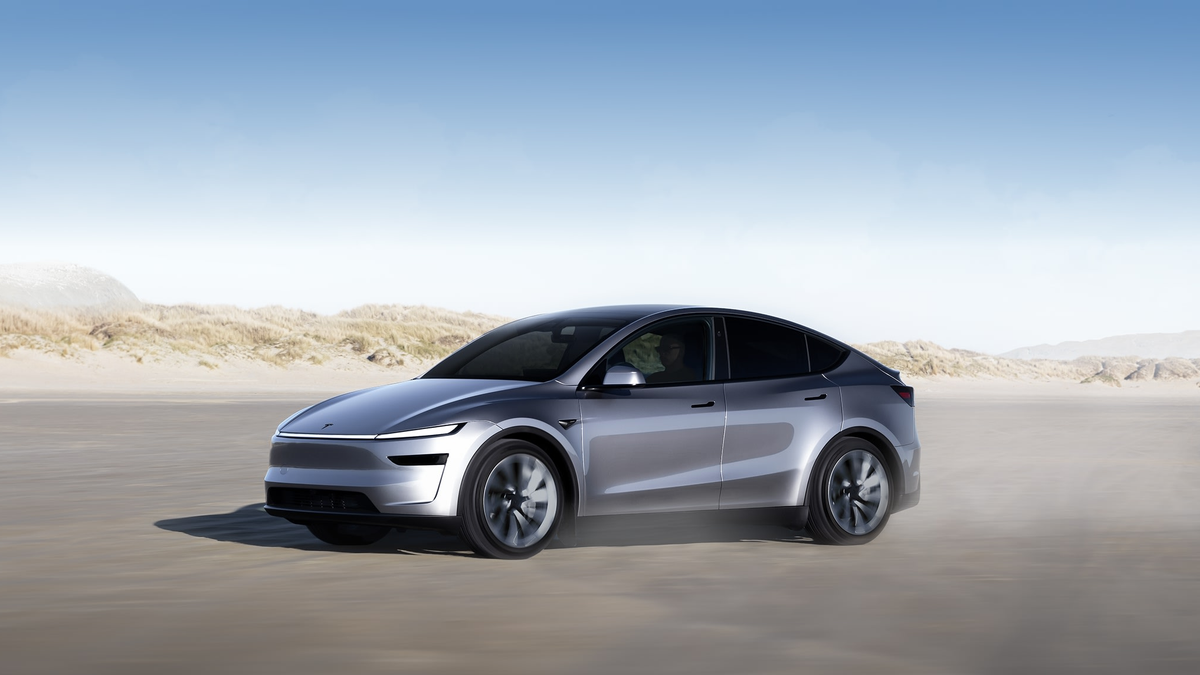
NHTSA said a later-release 2026 Tesla Model Y, limited to vehicles manufactured on or after November 12, 2025, passed eight crash-avoidance technology evaluations. The result is meaningful for the tested systems, but it is not an autonomous-driving certification, not a guarantee against crashes and not, by itself, a complete five-star crashworthiness rating.
30-Second Brief
- NHTSA announced the Model Y result on May 7, 2026. This September 8 article is a dated owner explainer, not a new-test announcement.
- The agency applies the result to later-release 2026 Model Y vehicles manufactured on or after November 12, 2025.
- The four newly integrated tests cover pedestrian automatic emergency braking, lane keeping assistance, blind spot warning and blind spot intervention.
- NHTSA also says the vehicle passed forward collision warning, crash imminent braking, dynamic brake support and lane departure warning evaluations.
- The agency explicitly describes these systems as driver assistance: the driver must remain attentive and in control.
What Happened
On May 7, NHTSA announced that the later-release 2026 Tesla Model Y was the first vehicle model to pass the agency's new benchmark for advanced driver assistance systems. The pass/fail evaluations sit inside the New Car Assessment Program and focus on crash-avoidance technologies.
The manufacturing-date boundary matters. NHTSA's announcement does not cover every vehicle carrying a 2026 model-year label; it specifies vehicles manufactured on or after November 12, 2025. Owners should use the certification label and vehicle records to identify the individual car rather than infer coverage from model year alone.
What Is Confirmed
- Agency and date: NHTSA published the result on May 7, 2026.
- Vehicle scope: later-release 2026 Model Y vehicles manufactured on or after November 12, 2025.
- New evaluations: pedestrian automatic emergency braking, lane keeping assistance, blind spot warning and blind spot intervention.
- Existing evaluations: forward collision warning, crash imminent braking, dynamic brake support and lane departure warning.
- Test format: NHTSA describes these as pass/fail crash-avoidance technology evaluations within NCAP.
- Driver role: NHTSA says ADAS is designed to assist drivers who remain fully attentive and in control.
What Remains Unconfirmed
The announcement does not say that every 2026 Model Y configuration was separately tested, does not certify Full Self-Driving behavior and does not authorize unattended or driverless operation. It supplies no promise that the systems will prevent every collision across all speeds, roads, weather, visibility conditions or maintenance states.
It also should not be stretched into a complete five-star crashworthiness claim. NHTSA separately lists the 2026 Model Y Long Range among vehicles selected for 5-Star Safety Ratings crash testing. The May announcement addresses the named crash-avoidance technology evaluations.
Why It Matters
Crash-avoidance technology labels are easy to blur together. A structured NHTSA pass gives owners a government-defined reference for specific systems, while the build-date limit prevents the result from being applied too broadly.
The distinction between assistance and autonomy is equally important. Features such as automatic emergency braking and lane keeping can reduce risk in tested scenarios, but the agency still places responsibility on an attentive driver. Owners should treat warnings, blocked sensors and changing road conditions as operational limits, not exceptions to ignore.
What Tesla Owners Should Know
- Check the build date. The NHTSA announcement names vehicles manufactured on or after November 12, 2025; model year alone is insufficient.
- Read the test names narrowly. Passing pedestrian AEB does not establish every possible cyclist, animal or crossing scenario, and passing lane keeping does not make the car autonomous.
- Keep sensors clear. Cameras and other sensors need unobstructed views; weather, dirt, glare and damage can affect assistance features.
- Stay attentive. NHTSA's own boundary is that ADAS assists a driver who remains in control.
- Separate score types. Crash-avoidance evaluations and crashworthiness star ratings answer different questions.
- Use VIN-specific records for recalls. This test result does not replace Tesla or NHTSA recall checks for an individual vehicle.
Tesstudio Analysis
Tesstudio scores this dated Owner Explainer 78.2. Source authority and factual confidence are high because all safety claims come from readable NHTSA primary records. Owner impact is strong, while timeliness and event magnitude remain lower because the underlying announcement was published May 7 rather than in the current two-hour window.
The article qualifies only under the mandatory fallback policy as a current high-value owner safety explainer. Its editorial value is the boundary: a specific Model Y build cohort passed eight named ADAS evaluations, but that is not a blanket claim about autonomy, every build or every crash scenario.
Sources & Reporting Notes
- NHTSA: Tesla Model Y Is the First Vehicle to Pass New ADAS Tests — May 7 primary announcement, build-date scope, eight named evaluations and driver-attention boundary.
- NHTSA: 2026 Model-Year Vehicles Selected for Testing — primary program page listing the Model Y Long Range for 5-Star Safety Ratings testing.
- NHTSA: Driver Assistance Technologies — primary definitions for lane keeping, blind spot warning and pedestrian automatic emergency braking.
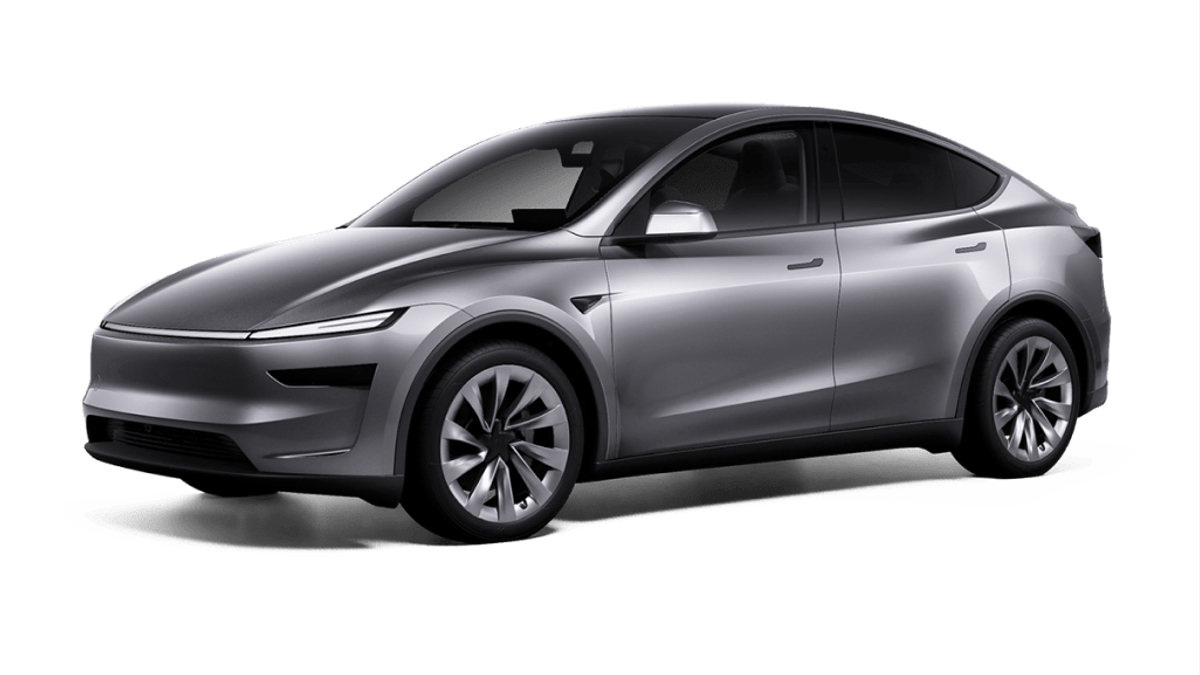
Reporting note: This fallback Owner Explainer was published September 8, 2026 in America/Los_Angeles after five complete no-publication hours and with the local daily count below four. It preserves NHTSA's May 7 event date and does not present the result as new today. Both visuals are official Tesla Model Y images reused with source attribution; neither depicts NHTSA testing.
Update & Correction Log
September 8, 2026: Initial publication. The article limits the result to NHTSA's named build cohort and separates crash-avoidance ADAS tests from autonomy and full crashworthiness ratings.


Laisser un commentaire
Ce site est protégé par hCaptcha, et la Politique de confidentialité et les Conditions de service de hCaptcha s’appliquent.