
Owner Brief: Tesla Emergency Drive Away—When and How to Use It
Owner Brief · Tesla Primary Manual + Independent Release Notes
Tesla Emergency Drive Away is a United States only last-resort option for an immediate personal-safety threat at a Tesla Supercharger. Tesla says it stops charging and lets the driver leave with the connector still attached, but doing so can damage the car and charger. Service inspection is required after activation, even if the vehicle does not move.
30-Second Brief
- Tesla’s Model 3 and Model Y manuals now contain a dedicated Emergency Drive Away section in the North American documentation for software version 2026.38.3.
- The feature is U.S.-only and applies at Tesla Superchargers—not third-party chargers, Wall Connectors or Mobile Connectors.
- Use is limited to an immediate threat to life or personal safety when getting out to unplug is unsafe or would unreasonably delay departure.
- Press the brake, select Drive or Reverse, confirm Activate, wait for charging to stop, then select the drive mode again.
- Activation can damage the vehicle and Supercharger. Tesla requires a Service inspection even if you activate the feature but do not drive away.
What Happened
Tesla’s current North American Model 3 owner manual is dated October 21, 2026 and lists Emergency Drive Away under “In Case of Emergency.” The matching Model 3 and Model Y pages give a narrow safety procedure, warnings, activation steps and after-use instructions. An independent release-note page for software 2026.38.5.11 also lists the feature and its U.S.-only boundary.
This is a dated Owner Brief, not a claim that Tesla launched a different feature today. The value is the current primary documentation: recent community discussion has shown how easily owners can mistake a last-resort safety action for a stuck-cable workaround or a feature to test casually.

What Is Confirmed
- Availability: Tesla says the feature is available only in the United States.
- Charger scope: The manual limits it to a Tesla Supercharger. It is not available at a third-party charger, Wall Connector or Mobile Connector.
- Emergency threshold: Tesla requires an immediate threat to life or personal safety, a need to leave immediately, unsafe conditions for exiting the vehicle, and an unreasonable delay or safety exposure from unplugging.
- Activation: Press the brake, choose Drive or Reverse, confirm Activate while holding the brake, wait for charging to stop, then select the drive mode again.
- Recording: Tesla says Dashcam starts recording when set to Auto and short camera recordings are shared with Tesla upon activation.
- Inspection: Tesla requires owners to schedule Service after activation, even if they do not actually drive away. The alert remains until inspection, and charging or other functions may be restricted.
What Remains Unconfirmed
The checked manuals confirm Model 3 and Model Y guidance, but they do not establish support for every model year, region, hardware configuration or software branch. Owners should consult the manual displayed in their own vehicle and current release notes. The documentation also does not guarantee damage-free separation; it says damage is expected and the owner may be responsible for repairs.
Tesla does not say that the vehicle can determine whether a situation is an emergency. The driver makes that judgment and accepts the documented consequences. This article therefore does not recommend testing the feature.
Why It Matters
A driver normally cannot shift away from a charging site while connected. Emergency Drive Away creates a narrow escape path when getting out of the vehicle would itself be dangerous. That can matter during violence, fire, severe disorder or another immediate threat at a charging location.
The strict boundaries matter just as much as the capability. Activating it is not a remedy for a stuck charge cable, a queue dispute, an inconvenience or a desire to save time. Tesla directs owners with a stuck connector to the manual release procedure instead.
What Tesla Owners Should Know
- Do not test it. Tesla says tapping Activate alone triggers the inspection requirement.
- Confirm your own vehicle supports it. Use Controls > Service > Owner’s Manual and check the release notes on the vehicle.
- Use it only for immediate personal danger. The feature is not for convenience or ordinary charging problems.
- Follow the two-stage gear confirmation. First select Drive or Reverse to open the prompt, then Activate while holding the brake; after charging stops, select the drive mode again.
- Expect damage and cost exposure. Tesla warns that the vehicle, cable, connector and charging equipment can be damaged.
- Schedule Service immediately afterward. Do this even if the car did not move after activation, and do not ignore vehicle alerts.
Tesstudio Analysis
The best way to understand this feature is as a physical escape exception, not a charging convenience. Tesla’s wording deliberately sets a high threshold because the system trades equipment damage for the ability to leave an immediate threat without stepping outside.
Owners should learn where the prompt appears before an emergency, but not activate it as practice. A safer preparedness step is to read the in-car manual, keep Dashcam storage working, and know the separate manual-release procedure for a stuck connector.
Sources & Reporting Notes
- Tesla Model 3 Owner Manual: Emergency Drive Away — primary procedure, warnings, recording and inspection requirements.
- Tesla Model Y Owner Manual: Emergency Drive Away — primary corroboration for Model Y.
- Tesla Model 3 Owner Manual: Publishing Information — October 21, 2026 manual date and section index.
- Drive Tesla: 2026.38.5.11 release notes — independent release-note corroboration; the Tesla manual remains authoritative.
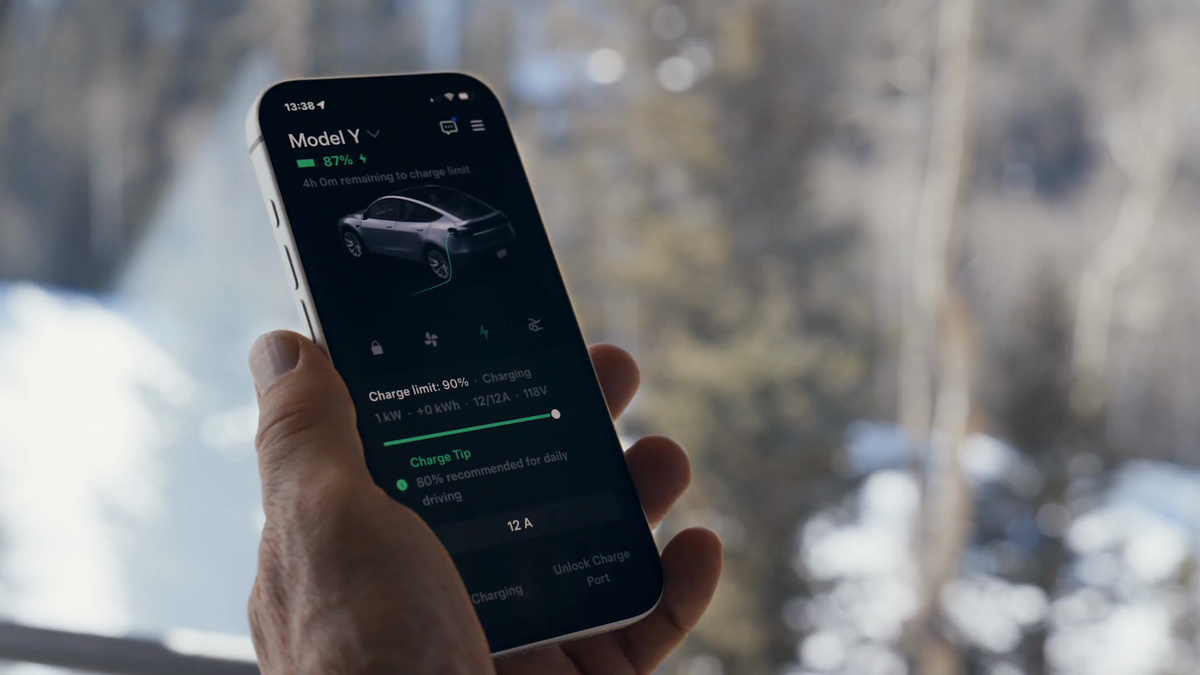
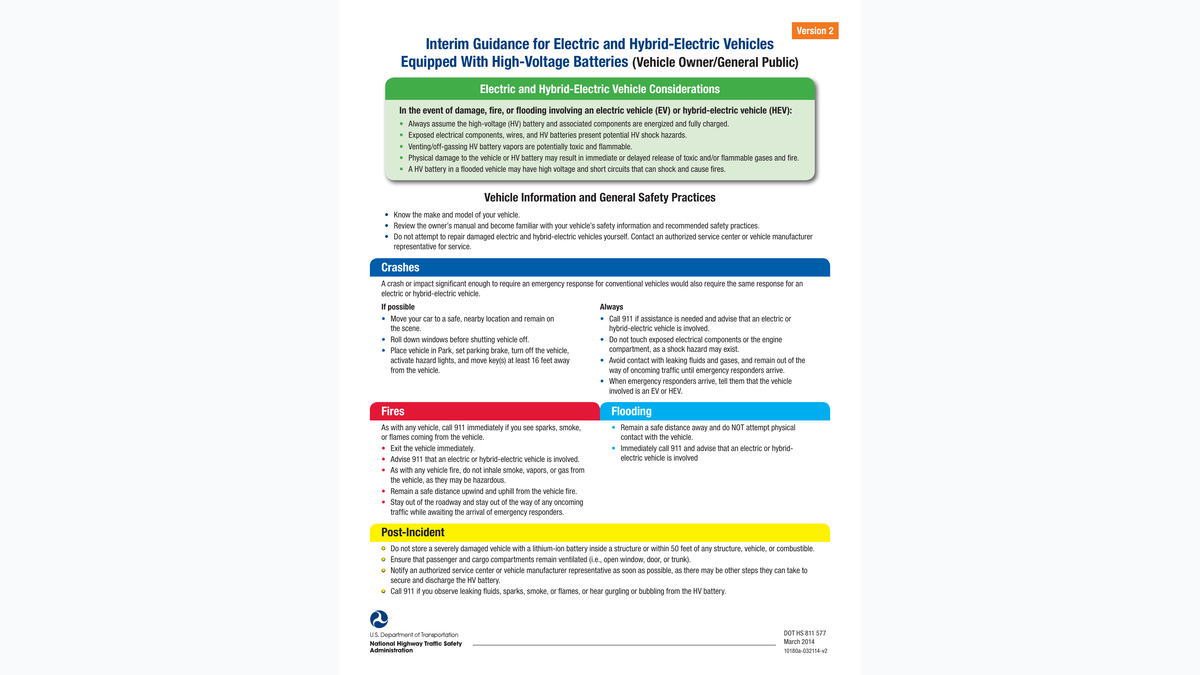
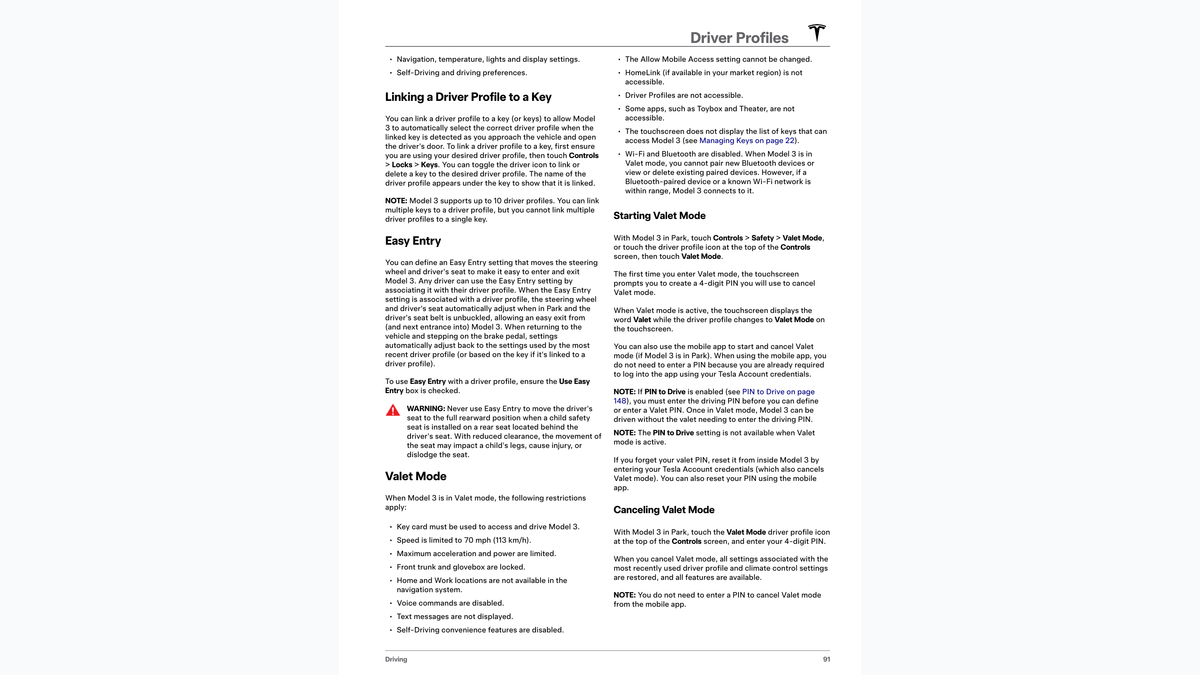
Reporting note: Safety, geographic, charger and after-use claims come from Tesla’s current primary documentation. The independent source corroborates the release-note listing but does not override the vehicle-specific manual. The two inline images are official Tesla charging-context frames and are explicitly illustrative, not screenshots of Emergency Drive Away.
Update & Correction Log
October 29, 2026: Initial publication. Added current Tesla Model 3 and Model Y primary documentation, the October 21 manual date, independent release-note corroboration, activation boundaries and the mandatory Service-inspection warning.


Hinterlasse einen Kommentar
Diese Website ist durch hCaptcha geschützt und es gelten die allgemeinen Geschäftsbedingungen und Datenschutzbestimmungen von hCaptcha.