
NVIDIA Says SpaceXAI Will Use Vera CPUs for Grok and Starmind
Company Confirmed · NVIDIA Primary Source + Dow Jones Report
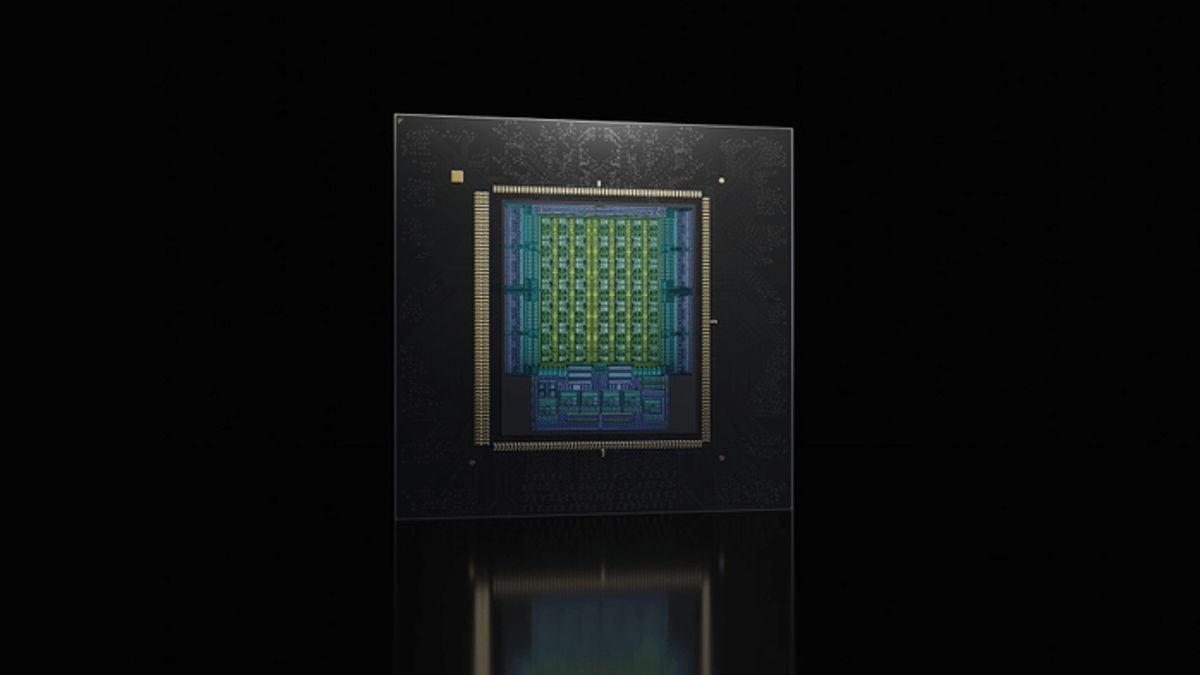
NVIDIA says SpaceXAI will deploy Vera CPUs for agentic AI workloads, expand Grok infrastructure on the NVIDIA Vera Rubin platform, and adapt an NVL72-based design for a planned Starmind AI satellite. The CPU deployment is the confirmed company announcement; the orbital system remains forward-looking, with no launch date or delivered satellite disclosed.
30-Second Brief
- NVIDIA announced on August 24, 2026 that SpaceXAI will deploy Vera CPUs to support its next generation of agentic AI applications.
- The company says SpaceXAI plans to expand the infrastructure behind Grok using the broader Vera Rubin platform as it scales toward gigawatts of computing capacity.
- NVIDIA also says the planned first-generation Starmind satellite will be based on an optimized Vera Rubin NVL72 system adapted for orbital constraints.
- Dow Jones Newswires separately reported the announcement on August 24.
- Deployment size, commercial terms, delivery timing, live capacity and a Starmind launch schedule were not disclosed.
What Happened
NVIDIA published a same-day announcement describing a broader infrastructure relationship with SpaceXAI. The immediate deployment centers on Vera CPUs, which NVIDIA designed for the CPU-heavy work around model inference: orchestrating tools, executing code, processing data and running simulations while GPUs handle accelerated model workloads.
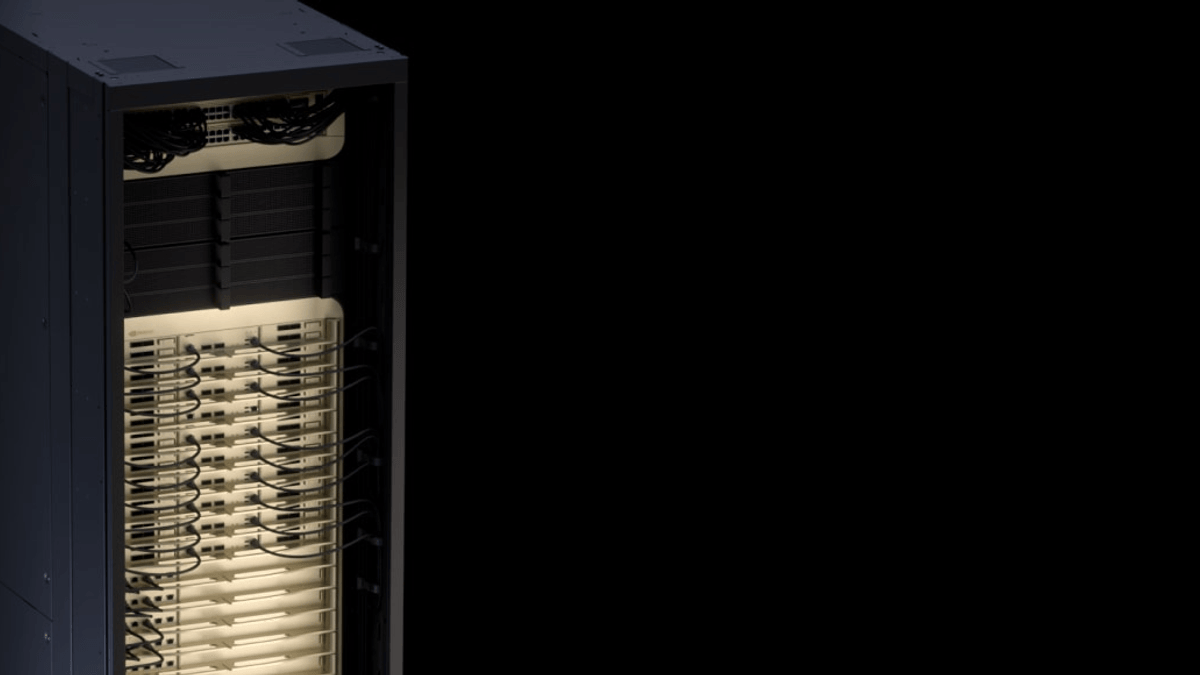
The announcement connects that CPU deployment to two larger plans. On Earth, SpaceXAI plans to expand the infrastructure behind Grok on Vera Rubin. In orbit, NVIDIA says the companies are working to adapt an optimized Vera Rubin NVL72 foundation for SpaceXAI's planned first-generation Starmind satellite.
What Is Confirmed
- Announcement date: NVIDIA's primary release is dated August 24, 2026.
- CPU plan: NVIDIA says SpaceXAI will deploy Vera CPUs for agentic AI application workloads.
- Grok infrastructure: The release says SpaceXAI plans to expand the infrastructure behind Grok on Vera Rubin.
- Named orbital project: NVIDIA identifies Starmind as SpaceXAI's planned first-generation AI satellite and says its design will use an optimized Vera Rubin NVL72 foundation.
- Independent reporting: Dow Jones Newswires reported the partnership and described the same CPU, Grok and Starmind elements.
What Remains Unconfirmed
The release does not disclose the number of Vera CPUs SpaceXAI will deploy, the purchase value, installation locations, delivery schedule or when the capacity will begin serving production workloads. NVIDIA's speed, bandwidth and efficiency figures are company-reported measurements and should not be treated as independent benchmarks for SpaceXAI's eventual configuration.
Starmind remains forward-looking. No launch provider schedule, orbit, satellite mass, power budget, thermal design, flight hardware milestone or in-space performance data were provided. NVIDIA's release also states that products and features may remain in development and are subject to change.
Why It Matters
The announcement makes the CPU layer visible in an AI buildout usually discussed in terms of GPUs. Agentic systems repeatedly call tools, run code and move data between model requests; if the CPU side falls behind, expensive accelerators can sit underused. SpaceXAI's decision therefore signals an effort to treat orchestration capacity and memory bandwidth as first-class infrastructure constraints.
The Starmind reference is strategically notable because orbital computing has different power, cooling, bandwidth and reliability limits than a terrestrial data center. A common architecture could simplify software and workload portability, but a press-release architecture is far from a flight-proven satellite system.
What Tesla Owners Should Know
- This is not a vehicle software release. The announcement does not add a feature to a Tesla car, the Tesla app or FSD.
- Do not infer immediate Grok changes. New infrastructure plans do not confirm a model release, subscription change or performance improvement available today.
- Treat Starmind as planned. There is no launch date or operating satellite to evaluate yet.
- Separate company metrics from field results. NVIDIA's performance comparisons describe its platform under company-defined conditions, not independently measured SpaceXAI production workloads.
- Watch for execution milestones. Useful follow-ups would include delivered systems, disclosed capacity, operational benchmarks and a regulatory or launch record for Starmind.
Tesstudio Analysis
The most important confirmed change is not an orbital AI computer; it is SpaceXAI's stated commitment to NVIDIA's CPU and rack-scale architecture for agentic workloads. That is concrete enough to define an infrastructure direction while still leaving commercial scale and deployment timing open.
Our view: Starmind should remain in a separate evidence bucket until hardware, launch and regulatory milestones appear. Combining a deployed CPU plan and a future satellite in one announcement creates an exciting narrative, but the two claims have very different verification maturity.
Related Tesla News Resources
Follow the Tesstudio Tesla News hub for verified SpaceXAI, Grok, SpaceX and Tesla-company updates. This article contains no product placement because Tesstudio's vehicle-accessory catalog is not directly relevant to enterprise AI infrastructure.
Sources & Reporting Notes
- NVIDIA Newsroom: SpaceXAI Adopts NVIDIA Vera CPU to Accelerate Agentic AI at Massive Scale — primary company announcement dated August 24, 2026.
- NVIDIA: Vera CPU platform — official product documentation for architecture and company performance claims.
- Dow Jones Newswires via Morningstar: SpaceX to Deploy NVIDIA CPU Chips for AI Development — independent same-day report.
Reporting note: This article was published on August 24, 2026 in America/Los_Angeles during normal mode. NVIDIA and SpaceXAI plans are labeled as company-reported, future Starmind claims are separated from confirmed deployment intent, and no undisclosed commercial or launch detail is inferred. Both images are official NVIDIA assets resized without generative alteration.
Update & Correction Log
August 24, 2026: Initial publication. The article distinguishes the announced Vera CPU deployment from forward-looking Grok scale and Starmind orbital plans.


Hinterlasse einen Kommentar
Diese Website ist durch hCaptcha geschützt und es gelten die allgemeinen Geschäftsbedingungen und Datenschutzbestimmungen von hCaptcha.