
SpaceX Starship Reaches Orbit on Flight 14
Updated · Official Postflight Record · Mission Complete
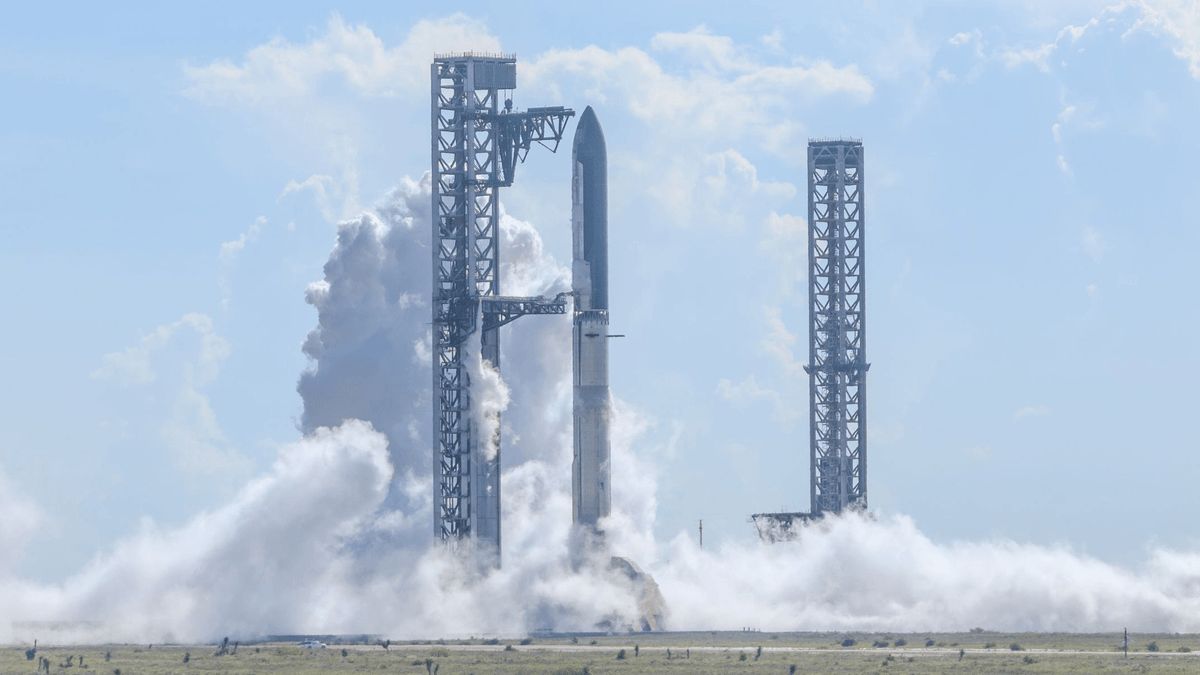
SpaceX Starship Flight 14 reached orbit, deployed all 26 Starlink V3 satellites, completed a controlled atmospheric reentry, and executed a successful deceleration burn and splashdown in the Northern Pacific. The roughly three-hour flight did not complete the originally planned six orbits after an engine shut down early during ascent.
30-Second Brief
- Starship Flight 14 completed its first orbital mission on September 28, 2026.
- Ship 41 reached orbit and released all 26 operational Starlink V3 satellites.
- Space.com reported atmospheric reentry at 15:42 UTC and a successful Northern Pacific splashdown at approximately 15:58 UTC.
- The mission ended about three hours and nine minutes after launch, roughly six hours and 50 minutes earlier than planned.
- Flight 14 did not complete the originally planned six orbits after an engine shut down early during ascent.
What Happened
Ship 41 entered the atmosphere at about 15:42 UTC after completing its deorbit burn. Space.com then reported that the vehicle executed a successful deceleration burn and splashdown in the Northern Pacific at approximately 15:58 UTC, closing the mission at T+3 hours and 9 minutes.
The upper stage reached the water intact before tipping over. Reuters reported that flames and a large fireball followed as the vehicle contacted the ocean; recovery was not part of the mission plan. The controlled return completed the final major phase of a flight that had already reached orbit and deployed all 26 Starlink V3 satellites.
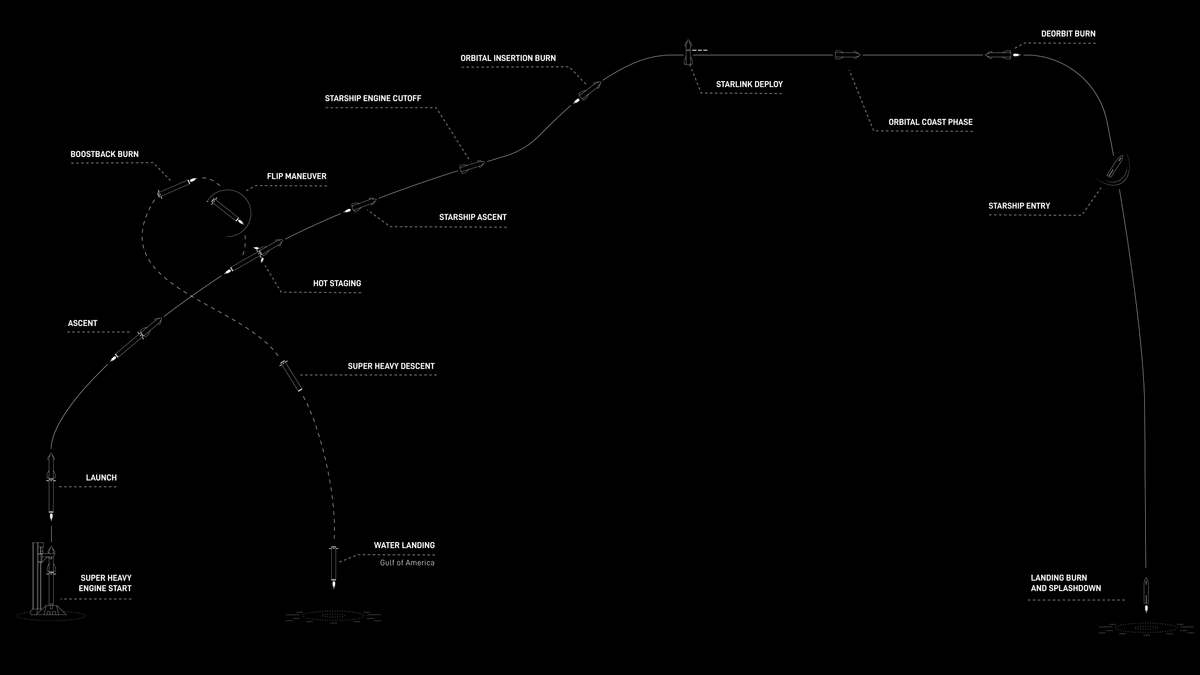
SpaceX's official postflight summary adds operational context to the independently reported outcome. The company says the booster boostback was intentionally designed to consume the remaining liquid oxygen in its main tank as a performance-limit test. After Super Heavy's landing-burn shutdown, its flight termination system was intentionally triggered to demonstrate the safety hardware.
SpaceX also says the flight team limited Starship's time in orbit out of an abundance of caution because of the ascent engine issue, then proceeded to the Northern Pacific splashdown. The company reports that the Starlink team made contact with all 26 satellites.
What Is Confirmed
- Orbit: Starship reached Earth orbit for the first time.
- Payload: all 26 Starlink V3 satellites were deployed.
- Early engine shutdown: Space.com and Reuters reported that one Ship engine shut down early during ascent.
- Reentry: Ship 41 entered the atmosphere at about 15:42 UTC.
- Splashdown: the upper stage completed a controlled Northern Pacific splashdown at approximately 15:58 UTC.
- Mission duration: the flight ended at about T+3 hours and 9 minutes instead of the planned nearly 10 hours and six orbits.
Official postflight record: SpaceX attributes the shortened orbital phase to an abundance-of-caution decision after the ascent engine issue; says the booster test intentionally burned through remaining liquid oxygen; confirms the booster flight termination system was triggered after landing-burn shutdown as a safety-hardware demonstration; and reports contact with all 26 satellites.
What Remains Unconfirmed
SpaceX has now stated why the flight team shortened the orbital coast: an abundance-of-caution decision after the ascent engine issue. The company has not yet published the engine's detailed technical root cause, corrective actions, or a full post-flight investigation.
Contact with all 26 satellites confirms initial communications, not completed checkout or sustained service. Orbit raising, long-term operation and the value of the heat-shield imagery require later confirmation. The successful ocean landing also does not demonstrate tower catch, rapid reuse or a full-duration orbital mission.
Why It Matters
Flight 14 combined orbital insertion, operational payload deployment, active deorbit, atmospheric reentry and controlled splashdown in one mission. That makes it a major Starship development milestone even though the flight profile was shortened.
The unresolved engine issue and early return remain material limitations. SpaceX demonstrated that the mission could recover from an ascent anomaly and still complete its primary orbit, payload and return objectives, but it did not complete the planned multi-orbit duration.
The official detail separates planned test behavior from anomalies: burning through the booster's remaining liquid oxygen and triggering its flight termination system after landing-burn shutdown were intentional objectives, while the ascent engine issue and shortened coast remain the unresolved technical limitation.
What Tesla Owners Should Know
- No Tesla owner action is required. This is a SpaceX mission update, not a Tesla vehicle, charging, energy or recall notice.
- Separate mission success from a flawless flight. Orbit, deployment and splashdown were completed, but an engine shut down early and the mission ended early.
- Do not equate deployment with service. The satellites still require checkout and orbit raising.
- Do not infer rapid reuse. An ocean splashdown is not a tower catch or a demonstrated refurbishment cycle.
- No Related Gear is included. The event has no verified match to Tesstudio's vehicle-accessory catalog.
Did Starship Flight 14 complete its mission?
Yes. Ship 41 reached orbit, deployed all 26 Starlink V3 satellites, reentered and completed a controlled Northern Pacific splashdown. The mission ended early and did not complete the planned six orbits.
Tesstudio Analysis
Tesstudio scores this same-event completion update at 92.4. Closing the existing Flight 14 page preserves one authoritative event record while adding the independently confirmed reentry and splashdown result.
The evidence supports a successful controlled return and a shortened flight. It does not yet support a technical root-cause conclusion, a claim that all satellite checkout is complete, or a conclusion that Starship has demonstrated full-duration operations or rapid reuse.
This official postflight record raises confidence in the mission timeline without turning an attributed company account into a root-cause finding. Tesstudio retains the score at 92.4: Flight 14 completed its main orbital, payload and return milestones, while engine diagnosis, satellite checkout and reuse remain open.
Related Tesla News Resources
See the earlier FAA Flight 14 orbital reentry authorization brief and follow the Tesstudio Tesla News hub for later mission updates.
Sources & Reporting Notes
- SpaceX: Starship Flight 14 — official mission profile, webcast, source images and postflight account of the booster tests, early-return decision and satellite contact.
- Space.com: Starship Flight 14 live updates — timestamped independent reporting for orbit, deployment, deorbit, reentry and splashdown.
- Reuters: Starship reaches orbit, deploys satellites and ends early — independent reporting on the ascent engine shutdown, shortened mission and controlled Pacific landing.
Reporting note: This page was updated in place because every milestone belongs to the same Flight 14 event cluster. Mission completion is confirmed, while the detailed engine root cause, satellite checkout and any future reuse remain open.
Update & Correction Log
September 28, 2026: Initial publication after independent live reporting confirmed liftoff, stage separation and Starship's first orbital insertion.
September 28, 2026: Deployment and deorbit update. Added confirmation that all 26 Starlink V3 satellites were released, SpaceX shortened the planned mission, and Ship 41 completed a deorbit burn.
September 28, 2026: Reentry and splashdown update. Added the independently reported atmospheric reentry, successful deceleration burn and controlled Northern Pacific splashdown. Clarified that the mission ended early and did not complete the planned six orbits.
September 28, 2026: Official postflight update. Added SpaceX's account of the boostback liquid-oxygen test, the deliberate post-splashdown flight-termination-system demonstration, the abundance-of-caution early return and initial contact with all 26 satellites. The detailed engine root cause remains unconfirmed.


Hinterlasse einen Kommentar
Diese Website ist durch hCaptcha geschützt und es gelten die allgemeinen Geschäftsbedingungen und Datenschutzbestimmungen von hCaptcha.