
Verified Brief: NASA Sets Aug. 30 Falcon Heavy Coverage for Roman
Verified Brief · NASA Primary Source
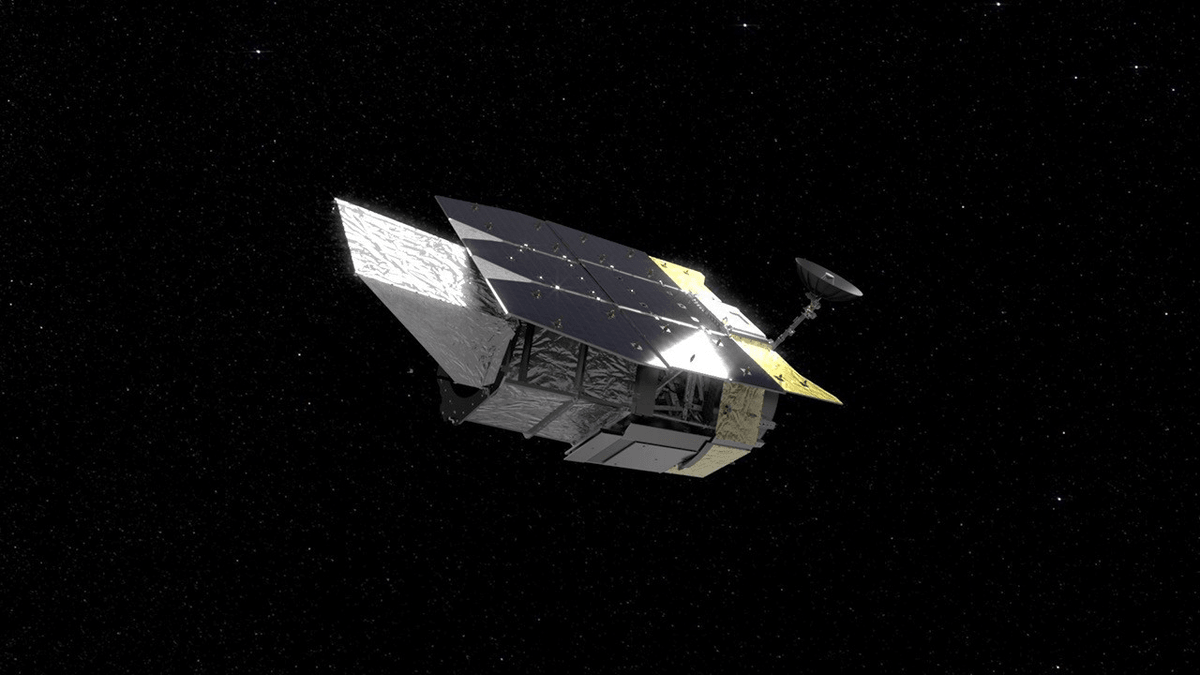
NASA has set the Roman Space Telescope launch coverage to begin at 6:20 a.m. EDT on August 30, 2026, ahead of a 7:26 a.m. target for the SpaceX Falcon Heavy launch from Kennedy Space Center pad 39A. NASA now confirms the encapsulated observatory arrived at the SpaceX hangar on August 25 ahead of rocket mating, but this remains a no-earlier-than launch target, not a completed mission.
30-Second Brief
- NASA published a media advisory on August 24, 2026 with live-coverage times for the Nancy Grace Roman Space Telescope launch.
- NASA and SpaceX are targeting liftoff no earlier than 7:26 a.m. EDT (11:26 UTC) on Sunday, August 30, from Launch Complex 39A in Florida.
- NASA plans to start launch coverage at 6:20 a.m. EDT and lists a postlaunch news conference for 9:30 a.m. EDT.
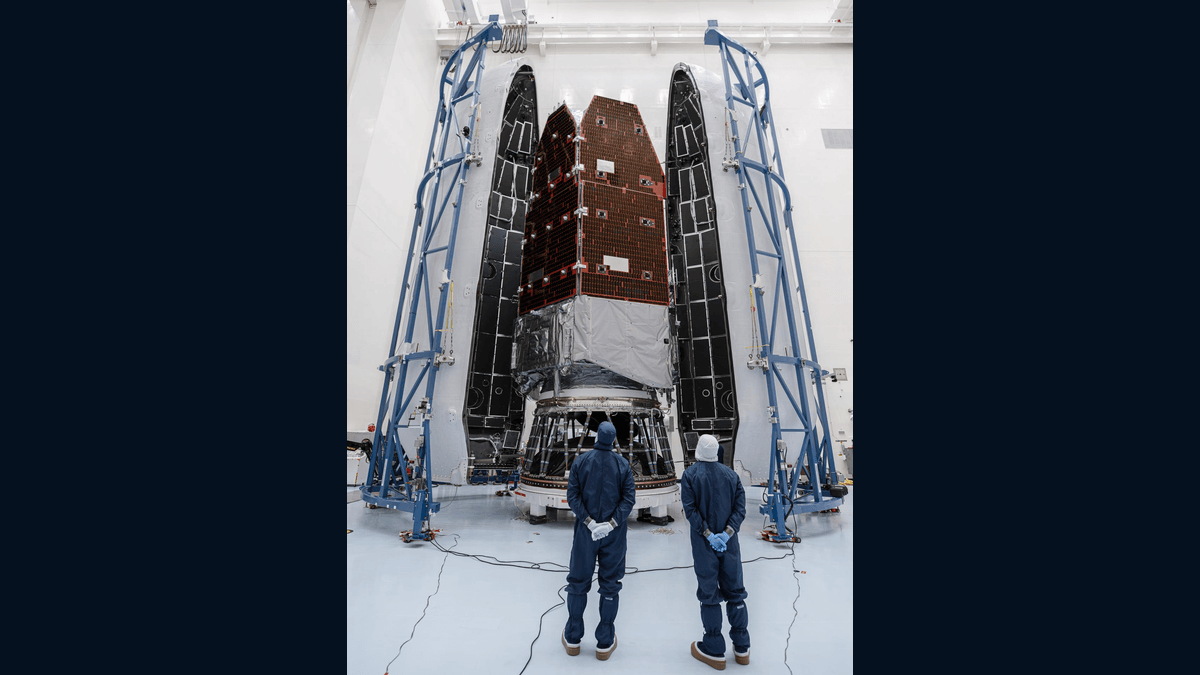
- The observatory has been enclosed in Falcon Heavy’s payload fairing and NASA says it traveled to the SpaceX hangar at pad 39A on August 25, ahead of mating to the rocket.
- The schedule can change. This article does not claim liftoff, separation or commissioning success before those milestones happen.
What Happened
NASA released its detailed Roman mission coverage plan at 20:44 UTC on August 24. The advisory turns a previously announced launch target into a practical viewing schedule, including two prelaunch briefings on August 29, live countdown coverage on August 30 and a planned postlaunch news conference.
The update follows NASA’s same-day confirmation that the observatory has been enclosed inside the two halves of a SpaceX Falcon Heavy payload fairing.
NASA added a new primary record on August 26 confirming that the encapsulated observatory traveled from the Payload Hazardous Servicing Facility to the SpaceX hangar at Launch Complex 39A on August 25. The agency describes that move as occurring ahead of mating to Falcon Heavy. Mating, rollout, liftoff and separation remain future milestones.
What Is Confirmed
- Target: no earlier than 7:26 a.m. EDT (11:26 UTC) on August 30, 2026.
- Rocket and pad: SpaceX Falcon Heavy from Launch Complex 39A at NASA’s Kennedy Space Center.
- Coverage: NASA lists a 6:20 a.m. EDT broadcast start and provides its live-stream destination.
- Payload status: NASA says Roman is encapsulated in the Falcon Heavy fairing and arrived at the SpaceX hangar on August 25 ahead of mating to the rocket.
- Destination: after launch and separation, the planned journey is toward the Sun-Earth L2 region about one million miles from Earth.
- Mission plan: NASA lists a five-year primary mission with a ten-year operational goal; those are plans, not achieved outcomes.
What Remains Unconfirmed
No source can yet confirm that the rocket will leave at the targeted minute. Launch weather, range availability, vehicle performance and operational decisions can cause a hold or scrub. The words “no earlier than” are therefore material, not boilerplate.
The hangar move does not confirm that Roman has been mated to Falcon Heavy or that the integrated vehicle has rolled to pad 39A. Liftoff will also be only the beginning. Successful ascent, spacecraft separation, communications, the cruise to L2 and commissioning of Roman’s instruments all remain future milestones. This brief will not convert a schedule or hardware move into a success claim.
Why It Matters
Roman is one of NASA’s flagship astronomy missions and Falcon Heavy is the launch service chosen to send it away from Earth toward L2. NASA says Roman combines Hubble-like sharpness with a field of view at least 100 times larger, enabling broad infrared surveys of dark energy, dark matter, exoplanets, galaxies and black holes.
For SpaceX watchers, the mission is more consequential than a routine satellite deployment. It places a major civil-science observatory on Falcon Heavy and creates several separately verifiable milestones: rollout, launch, booster/core performance, separation and Roman’s early communications.
What Tesla Owners Should Know
- This is SpaceX news, not a Tesla vehicle update. It does not change vehicle software, charging, service or product availability.
- Use NASA’s stream. The official NASA live page is the most direct source for schedule changes and launch-day coverage.
- Convert the time carefully. The current target is 7:26 a.m. EDT, or 11:26 UTC, on August 30.
- Expect schedule movement. Recheck the NASA launch blog before travel or viewing plans.
- Separate milestones. Launch, separation and commissioning should each be confirmed from a dated primary update.
Tesstudio Analysis
Tesstudio scores the updated event page at 87.0. The evidence is direct and unusually complete: NASA supplies the timestamped broadcast plan, fairing and hangar-transfer records, rocket, pad and target time, while Spaceflight Now independently lists the mission on its professional launch schedule.
Our view: the most valuable framing is operational rather than predictive. Readers now have a verified time and viewing plan, but the article keeps every future milestone open. If the launch proceeds, the correct next update is a primary-source confirmation of liftoff and separation—not a rewrite that implies today’s advisory was the launch itself.
Related Tesla News Resources
Follow the Tesstudio Tesla News hub for verified SpaceX, Starlink and Tesla developments. No Related Gear or product call-to-action is included because Tesstudio’s vehicle-accessory catalog is not relevant to this NASA mission.
Sources & Reporting Notes
- NASA: Roman Space Telescope travels to SpaceX hangar — primary August 26 image article confirming the August 25 move to pad 39A ahead of mating to Falcon Heavy.
- NASA: Roman launch coverage advisory — primary media advisory published August 24, 2026 at 20:44:58 UTC.
- NASA Science: Roman enclosed in Falcon Heavy’s fairing — primary payload-status record and source of the encapsulation photograph.
- NASA Science: Roman launch countdown — primary mission, stream and launch-site reference.
- Spaceflight Now: launch schedule — independent professional schedule listing Falcon Heavy, Roman, pad 39A and the current target time.
Reporting note: This Verified Brief was published August 24, 2026 in America/Los_Angeles during normal mode and updated August 26 after NASA documented the hangar transfer. NASA’s target time remains conditional. The lead visual is an official NASA animation still; the second visual is an official NASA photograph. Both were resized without generative alteration.
Update & Correction Log
August 24, 2026: Initial publication. The article records NASA’s coverage schedule and separates the planned launch, separation and commissioning milestones from completed events.
August 26, 2026: Updated with NASA’s confirmation that the encapsulated Roman observatory traveled to the SpaceX hangar on August 25. Mating, rollout, liftoff and separation remain explicitly unconfirmed.


Hinterlasse einen Kommentar
Diese Website ist durch hCaptcha geschützt und es gelten die allgemeinen Geschäftsbedingungen und Datenschutzbestimmungen von hCaptcha.