
Verified Brief: FAA Authorizes Starship Flight 14 Orbital Reentry
Verified Brief · FAA Primary Record · September 26, 2026
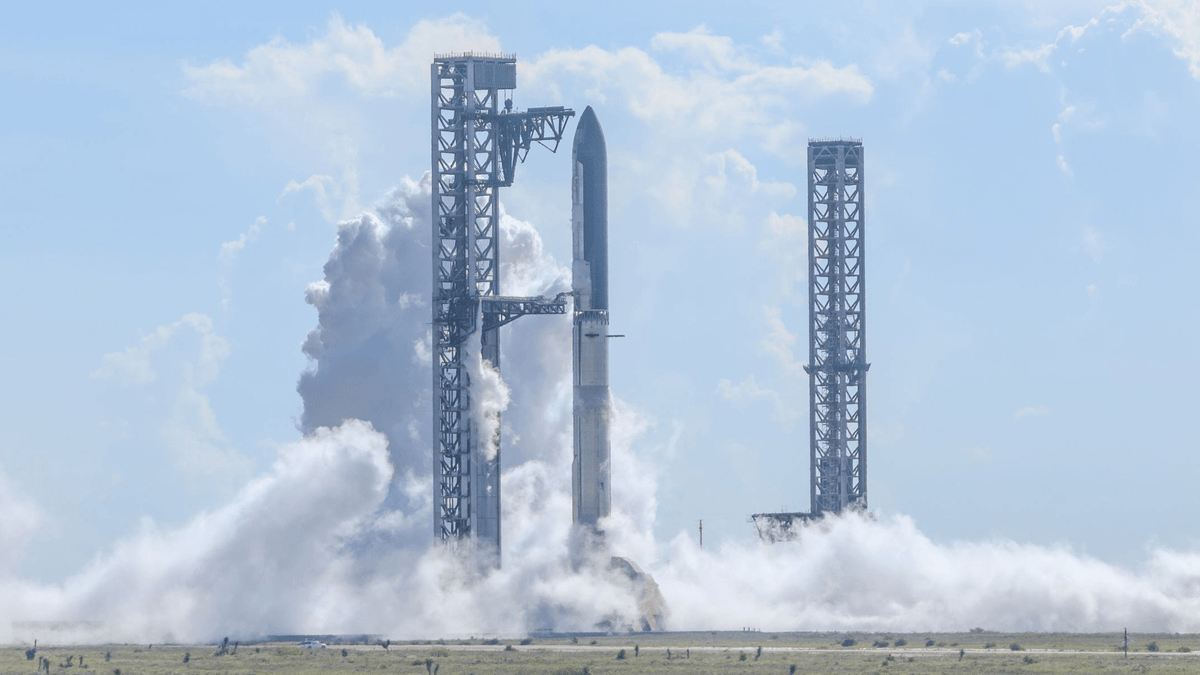
FAA license VOL 23-129 Rev 9.0 authorizes a single Starship Flight 14 reentry from Earth orbit to the Pacific Ocean. SpaceX plans its first orbital Starship mission, 26 Starlink V3 satellites, a deorbit burn and controlled reentry. The license is a regulatory authorization, not a guarantee that every mission objective will succeed.
30-Second Brief
- The FAA's current operator-license record identifies VOL 23-129 as Revision 9.
- Rev 9.0 adds Order A-2, authorizing one Starship reentry following Flight 14 from Earth orbit to the Pacific Ocean.
- Order B-2 requires $500 million in liability insurance for the reentry operation, with an extended-coverage provision if an abort leaves Starship in orbit.
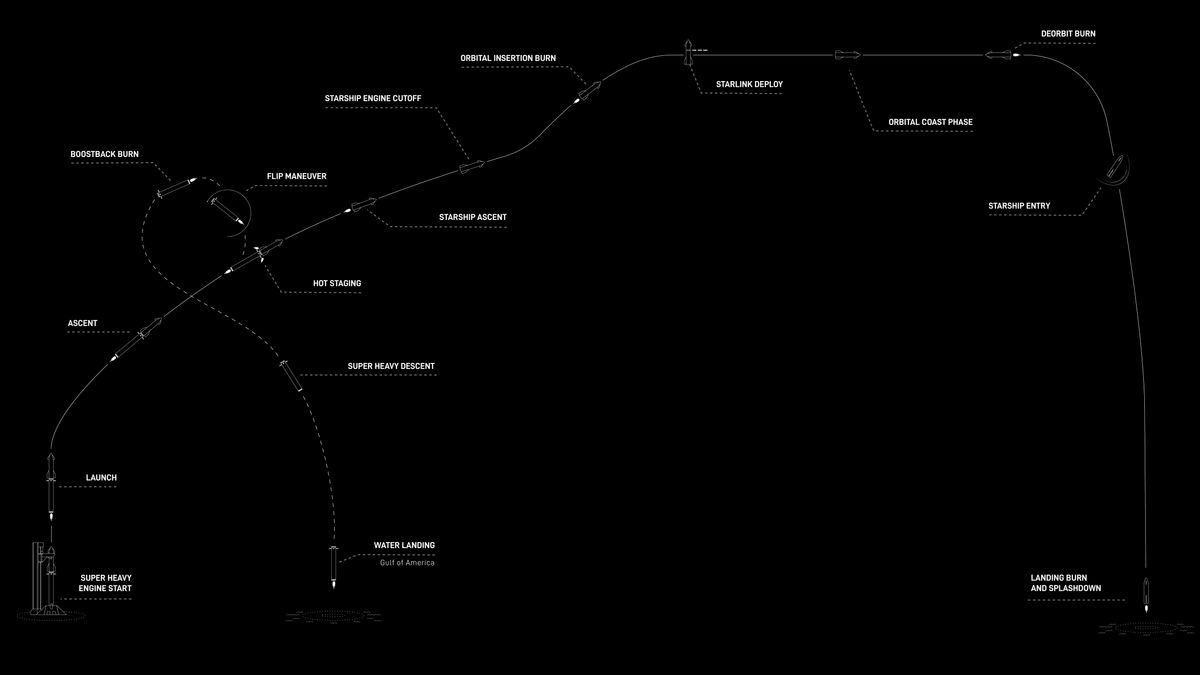
- SpaceX says Flight 14 is planned as Starship's first orbital mission and would deploy 26 Starlink V3 satellites before a deorbit burn and Pacific reentry.
- SpaceX's mission page still said “pending regulatory approval” when checked; that wording appears to lag the newer FAA license record.
What Happened
The Federal Aviation Administration published a current Revision 9.0 of SpaceX's Starship-Super Heavy vehicle operator license. The revised document changes the Flight 14 regulatory record in a concrete way: it adds launch order A-2 for a single Starship reentry after Flight 14, beginning from Earth orbit and ending in the Pacific.
The license cover identifies September 26, 2026 as both the issue date and effective date. The revision-history table inside the same PDF labels Rev 9.0 September 27. Tesstudio is preserving that discrepancy rather than selecting one date without further FAA clarification.
What Is Confirmed
- License: FAA VOL 23-129 is current at Revision 9.
- Reentry order: A-2 applies to one reentry after Starship-Super Heavy Flight 14.
- Origin and destination: the order specifies Earth orbit to the Pacific Ocean.
- Financial responsibility: Order B-2 requires $500 million in liability insurance for the Pacific reentry.
- Orbital-abort provision: if an abort leaves Starship in orbit, insurance coverage may remain in effect for 18 months.
- Company plan: SpaceX describes an orbital mission at about 275 km, roughly six orbits over nearly 10 hours, deployment of 26 Starlink V3 satellites, a deorbit burn and Pacific splashdown west of Chile.
What Remains Unconfirmed
The license does not guarantee a September 28 liftoff or confirm that vehicle, range, weather and operational readiness reviews are complete. SpaceX's official mission page still used “pending regulatory approval” language at publication time, while the FAA's newer Rev 9.0 record supplies the authorization described here. That wording mismatch is documented, not silently harmonized.
Launch success, orbital insertion, deployment of all 26 satellites, completion of the deorbit burn and controlled splashdown remain future outcomes. The FAA document authorizes the covered operation; it does not certify those outcomes in advance.
Why It Matters
Flight 14 is designed to cross a threshold previous Starship tests intentionally avoided: sustained Earth orbit followed by an actively commanded deorbit and reentry. FAA Rev 9.0 supplies the legal operating framework for that new phase and replaces the earlier license structure that centered on suborbital profiles.
The mission also links Starship development to a real payload deployment. If flown as planned, 26 Starlink V3 satellites would be the first operational payload delivered by Starship, while the nearly 10-hour mission would test whether the vehicle can complete an orbital coast and return on command.
What Tesla Owners Should Know
- No Tesla owner action is required. This is an FAA-SpaceX regulatory update, not a vehicle, charging, energy or recall notice.
- Do not read authorization as launch confirmation. Schedules remain dynamic until SpaceX begins the attempt.
- Starlink service does not change immediately. SpaceX says the satellites would need deployment, checkout and orbit raising before serving customers.
- Use the FAA record for the regulatory claim. SpaceX's page still contains older pending language.
- No Related Gear is included. The event has no verified match to Tesstudio's vehicle-accessory catalog.
Did the FAA authorize Starship Flight 14 orbital reentry?
Yes. FAA operator license VOL 23-129 Rev 9.0 includes Order A-2, which authorizes one Starship reentry following Flight 14 from Earth orbit to the Pacific Ocean. The authorization does not guarantee the launch date or mission outcome.
Tesstudio Analysis
This event scores 92.4. It is a new, current regulatory record from the FAA, directly corroborated by SpaceX's detailed Flight 14 mission plan and supported by two attributable official visuals. The score stops below breaking-news level because the mission has not launched and the direct impact on Tesla owners is limited.
Our view: the durable fact is narrow but important—Rev 9.0 authorizes the planned orbital reentry. Reporting should keep that authorization separate from launch readiness and from mission success.
Related Tesla News Resources
For the earlier hardware milestone, read SpaceX Confirms Ship 41's 60-Second Six-Engine Static Fire for Flight 14. For the environmental record, see FAA Completes Starship Pacific Reentry Environmental Review.
Sources & Reporting Notes
- FAA DRS: VOL 23-129 SpaceX Starship-Super Heavy Rev 9.0 — primary license record, revision status, Flight 14 reentry order, route and insurance requirement.
- SpaceX: Starship Flight 14 — primary mission plan, schedule language, orbital profile, payload, deorbit and reentry objectives, and official images.
Reporting note: The FAA record was checked against the current DRS metadata and the 16-page Rev 9.0 PDF. The cover gives September 26 as the issue and effective date; the revision-history table says September 27. SpaceX still said pending regulatory approval at verification time, which appears to be a page-update lag relative to the newer FAA license.
Update & Correction Log
September 26, 2026: Initial publication based on FAA VOL 23-129 Rev 9.0 and SpaceX's Flight 14 mission record. The date discrepancy and SpaceX page lag are explicitly disclosed.



Hinterlasse einen Kommentar
Diese Website ist durch hCaptcha geschützt und es gelten die allgemeinen Geschäftsbedingungen und Datenschutzbestimmungen von hCaptcha.