





Owner Brief: What to Do If a Tesla Model Y Runs Out of Range
Owner Brief · Current Tesla Primary Guidance
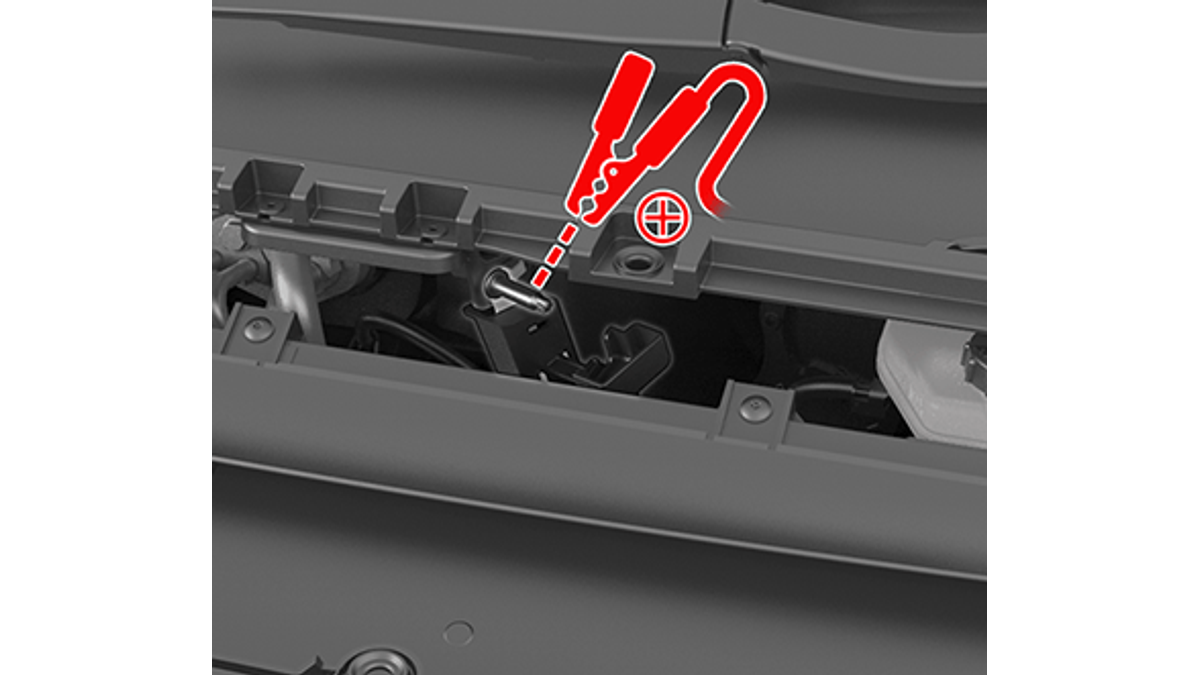
If a Tesla Model Y runs out of range, pull over safely and do not assume a reserve remains at 0%. Tesla says the low-voltage system needs external support before the high-voltage battery can charge. Have the vehicle transported within cable reach of a charger, jump-start the low-voltage system, plug in, and keep the tow provider present until high-voltage charging is confirmed.
30-Second Brief
- This Owner Brief was published November 20, 2026 in America/Los_Angeles under the mandatory fallback ladder. It summarizes standing Tesla instructions and does not claim the procedure changed today.
- Tesla warns drivers not to assume usable range remains when the display reaches 0 miles, 0 km or 0%.
- After the high-voltage battery is depleted, the low-voltage battery is no longer supported and may need an external power supply before the vehicle can charge.
- A tow provider should place the vehicle within charging-cable reach and remain until high-voltage charging is confirmed.
- Tesla’s low-voltage connection procedure differs by battery type; check Additional Vehicle Information before connecting power.
- Running-out-of-range towing and low-voltage battery damage from depletion are not covered by the warranty, according to Tesla’s current U.S. Model Y manual.
What Happened
Tesla’s current Model Y manual documents a recovery sequence for the uncommon but high-consequence case in which the vehicle reaches 0% and can no longer support its low-voltage system. The key point is that placing a depleted vehicle beside a charger may not be sufficient: the low-voltage system may first need external support so the charge port and high-voltage charging controls can operate.
Same-window discovery found launch schedules already covered by existing Trackers, future-only events, a California Robotaxi permit boundary without a distinct normal-threshold event, software observations without a readable Tesla version-level record, and community claims that failed the primary-source gate. With the Los Angeles daily count below four after more than five no-publication hours, the workflow expanded to this current owner-recovery brief.
What Is Confirmed
- No assumed reserve: Tesla says drivers must not assume any range remains when the display reads 0.
- Safe stop: if the vehicle runs out of range while moving, pull over when safe and contact Tesla Roadside Assistance or a preferred tow provider.
- Low-voltage support: after range depletion, the low-voltage battery may no longer be supported, and external power is required before the high-voltage battery can charge.
- Tow placement: transport the vehicle to the nearest charging station and unload it within the charging cable’s reach.
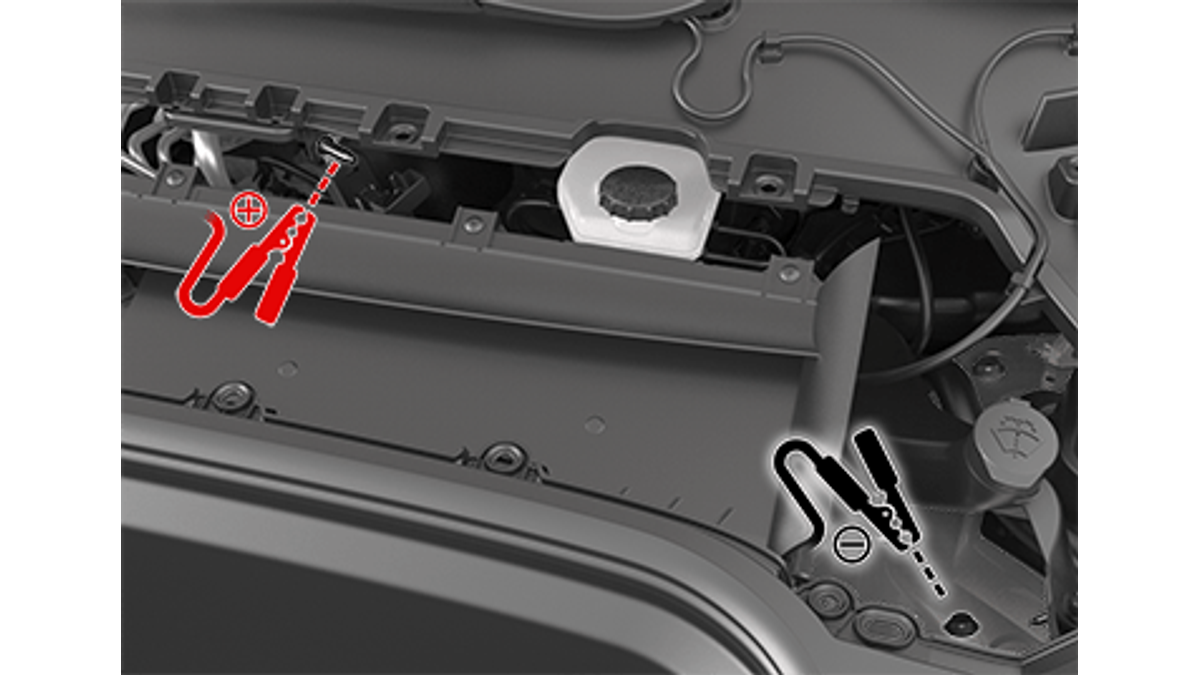
- Recovery order: support the low-voltage system, wait for the touchscreen to power on, connect the charge cable, then remove the external supply only after high-voltage charging begins.
- Provider handoff: Tesla says the tow provider should not leave until successful high-voltage charging is confirmed.
- Adapter boundary: at a non-Tesla charger, confirm the vehicle has the correct adapter before transport.
- Persistent alert: if VCFRONT_a478 remains two minutes after the external supply is removed, Tesla directs users to the Service Manual’s low-voltage recovery procedure.
What Remains Unconfirmed
Tesla’s guidance does not promise a hidden reserve below 0%, a universal recovery time or success at every charger. Temperature, battery condition, vehicle settings, wind, driving behavior and charger compatibility can all change the outcome.
External low-voltage support does not diagnose why the vehicle depleted or prove either battery is healthy. Repeated shutdowns, persistent alerts or a vehicle that will not charge require service-level diagnosis rather than repeated attempts.
Why It Matters
The recovery sequence prevents an avoidable dead end: a depleted Model Y can be delivered to a charger yet still fail to start charging because its low-voltage controls are unsupported. Coordinating the tow, adapter and low-voltage supply before arrival reduces delay and a second roadside call.
The confirmation step is equally important. A powered touchscreen or connected cable is not the same as verified high-voltage charging. Tesla explicitly tells owners to confirm charging before the tow provider leaves.
What Tesla Owners Should Know
- Stop before the situation worsens. Treat energy warnings as action items and route to a reachable charger while range remains.
- Pull over safely at depletion. Use hazard lights and move out of traffic when possible; do not continue on a deflated or otherwise unsafe vehicle.
- Share exact information. Give Roadside Assistance the VIN, exact location and nature of the problem.
- Specify cable reach. Ask the tow provider to unload the car where the intended charge cable can physically connect.
- Check charger compatibility. Confirm the required adapter before choosing a non-Tesla charging destination.
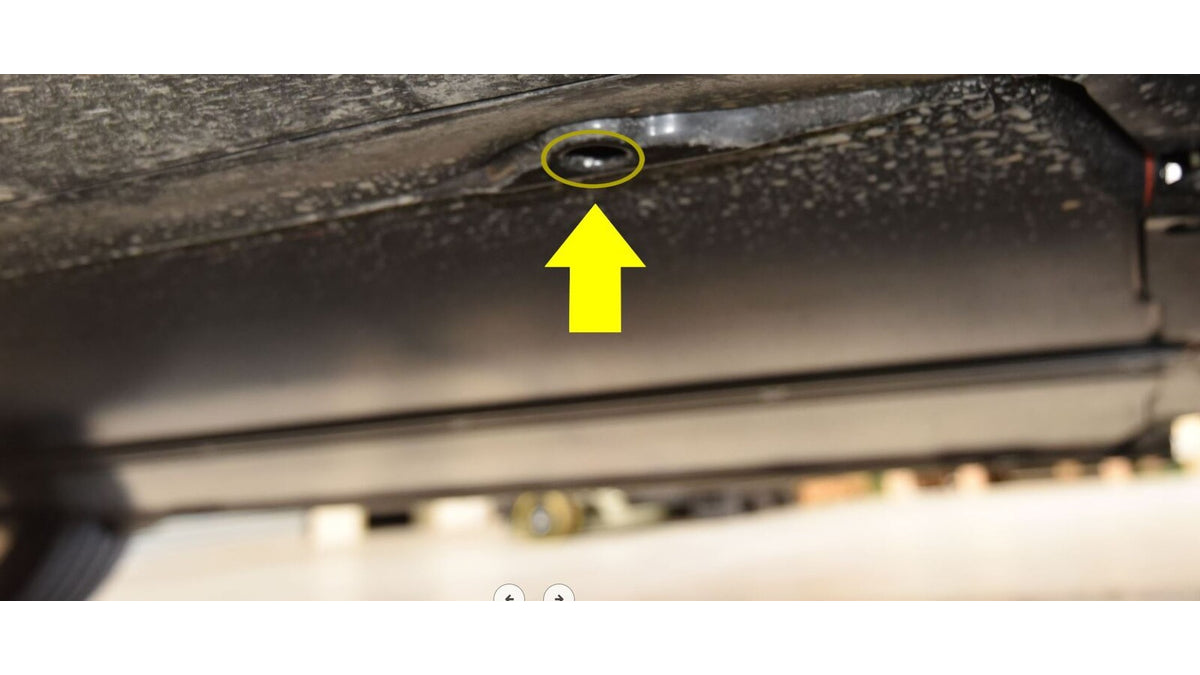
- Identify the low-voltage battery. Use Controls > Software > Additional Vehicle Information and follow the matched Tesla jump-start procedure.
- Confirm high-voltage charging. Do not release the tow provider merely because the touchscreen turns on or the cable is attached.
- Escalate persistent alerts. Preserve the alert code and follow Tesla’s Service Manual or service instructions when the recovery sequence does not complete.
Tesstudio Analysis
This candidate scores 74.1. Source authority and owner value are high because the recovery sequence, warning boundaries and roadside inputs come from current Tesla primary documentation. Timeliness and event magnitude are lower because this is standing guidance rather than a same-window announcement.
The practical distinction is between low-voltage wake-up and high-voltage charging. The first enables vehicle controls; only the second begins energy recovery. Owners should plan the tow destination, adapter and external supply around that two-stage process.
Sources & Reporting Notes
- Tesla Model Y Owner’s Manual — Running Out of Range — primary recovery sequence, warranty boundary, adapter check and charging-confirmation instruction.
- Tesla Model Y DIY — Jump Starting — primary low-voltage battery identification, connection and disconnect guidance.
- Tesla Model Y Owner’s Manual — Contacting Tesla Roadside Assistance — primary list of information to provide and current U.S. contact options.
- Tesla Model Y Owner’s Manual PDF — directly fetched official PDF used to cross-check the live owner-document pages.
Reporting note: Tesla documentation can change with model, market, battery type and software. The article does not assume a reserve below 0% or guarantee that roadside service is warranty-covered. Both visuals are official Tesla low-voltage diagrams reused with their existing provenance; no X API call was made because actual X billing could not be verified.
Update & Correction Log
November 20, 2026: Initial Owner Brief. Published in mandatory fallback mode with the Los Angeles daily count below four and after more than five no-publication hours. The article distinguishes low-voltage wake-up from confirmed high-voltage charging.


اترك تعليقًا
This site is protected by hCaptcha and the hCaptcha Privacy Policy and Terms of Service apply.