
Owner Explainer: Tesla Camera Calibration After Windshield Replacement
Owner Explainer · Current Tesla Primary Guidance
After a Tesla windshield replacement or a moved forward camera, Tesla says to clear the old camera calibration so the vehicle can recalibrate. Calibration commonly completes after 20–25 miles of manual driving, but Tesla says to contact service if it remains incomplete after 100 miles in suitable lane-marking conditions.
30-Second Brief
- This Owner Explainer is dated October 10, 2026 in America/Los_Angeles and summarizes current Tesla documentation; it does not claim the procedure was newly announced today.
- Tesla says calibration data must be cleared when a camera shifts from its calibrated position, including after a camera or windshield replacement.
- The documented touchscreen path is Controls > Service > Camera Calibration > Clear Calibration.
- Tesla says calibration typically completes after 20–25 miles, but the actual distance varies with road and environmental conditions.
- Until calibration completes, affected Self-Driving and active-safety features may be unavailable; the touchscreen shows status and warnings.
- Tesla says to contact service if calibration remains incomplete after 100 miles of driving in the described conditions.
What Happened
A current owner discussion about post-repair calibration highlighted a recurring practical question: what should a Tesla driver expect after windshield work? Community experience varies, so this explainer uses the discussion only as a discovery signal and relies on Tesla's current records for every operational claim.
This article enters the mandatory fallback ladder after five complete no-publication hours while the Los Angeles daily count remains below four. It is a current owner explainer, not a claim that Tesla launched a new calibration feature today.
What Is Confirmed
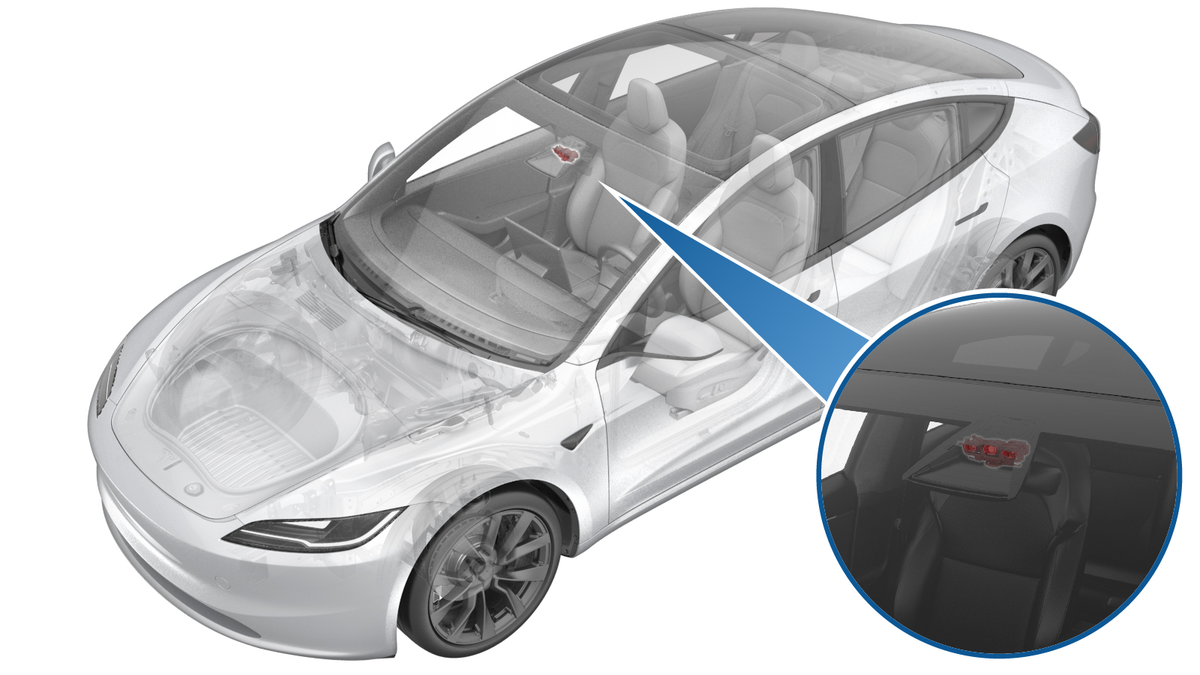
- Replacement trigger: Tesla's owner and service manuals state that moved cameras or windshield replacement require clearing calibration data.
- Control path: the owner action is Controls > Service > Camera Calibration > Clear Calibration when the documented trigger applies.
- Normal range: Tesla says calibration typically completes after 20–25 miles (32–40 km).
- Road conditions: Tesla recommends straight, multi-lane roads with highly visible lane markings and minimal traffic for the best calibration conditions.
- Feature state: Self-Driving and some active-safety features remain unavailable until calibration completes; the touchscreen displays progress or a manual-driving message.
- Service threshold: Tesla says to contact it if calibration has not completed after 100 miles (160 km) in the described conditions.
- Tesla glass work: Tesla's support page says calibration is included in the total price for glass replacement performed by Tesla.
What Remains Unconfirmed
The cited documentation does not promise one exact completion distance for every model, camera suite, road, weather condition or repair. Twenty to twenty-five miles is typical, not guaranteed. A shorter or longer result does not by itself prove that a repair was correct or defective.
Clear Calibration is also not a universal repair for every camera or sensor concern. Tesla says it may not resolve all issues. Owners should not repeatedly clear calibration to mask a persistent alert, poor camera view, incorrect installation or damaged component.
Why It Matters
Calibration connects physical camera position to the vehicle's interpretation of lane and object geometry. After glass or camera work, using stale calibration data could make the system's reference frame inaccurate. Tesla therefore requires a fresh process when the camera position changes.
The immediate owner impact is availability, not proof of a new fault. A temporary manual-driving message can be expected while calibration progresses. The safe boundary is to treat unavailable assistance as unavailable and keep full control of the vehicle.
What Tesla Owners Should Know
- Confirm the repair scope. Ask whether the windshield, forward camera or camera bracket moved and whether calibration was cleared.
- Check the touchscreen. Follow the calibration progress and any manual-driving or camera-visibility alerts.
- Use suitable roads. Favor clearly marked, straight, multi-lane roads when safe and legal; never drive extra miles in unsafe conditions just to accelerate calibration.
- Keep camera views clear. Remove dirt, snow, condensation and other obstructions using the vehicle-specific cleaning guidance.
- Do not rely on unavailable features. Drive manually and remain fully responsible throughout the process.
- Escalate persistent status. Contact Tesla after 100 miles in the described conditions, or sooner if a repair warning, poor visibility or unsafe behavior persists.
- Use the matched manual. Exact menus, hardware and behavior vary by model, year, market and software.
Tesstudio Analysis
Tesstudio scores this dated Owner Explainer at 74.2. Authority and owner relevance are high because the operational boundaries come directly from Tesla's current owner, service and glass-support records, with NHTSA used only for general driver-responsibility context. Timeliness and event magnitude are lower because this is current guidance rather than a same-window announcement.
The most useful distinction is between expected recalibration and unresolved repair. A temporary feature lockout while the progress bar advances can be normal; a calibration that will not complete in the stated conditions deserves service attention rather than guesswork.
Sources & Reporting Notes
- Tesla Support: Tesla Glass — primary company guidance on camera-system compatibility, replacement and included calibration for Tesla-performed glass work.
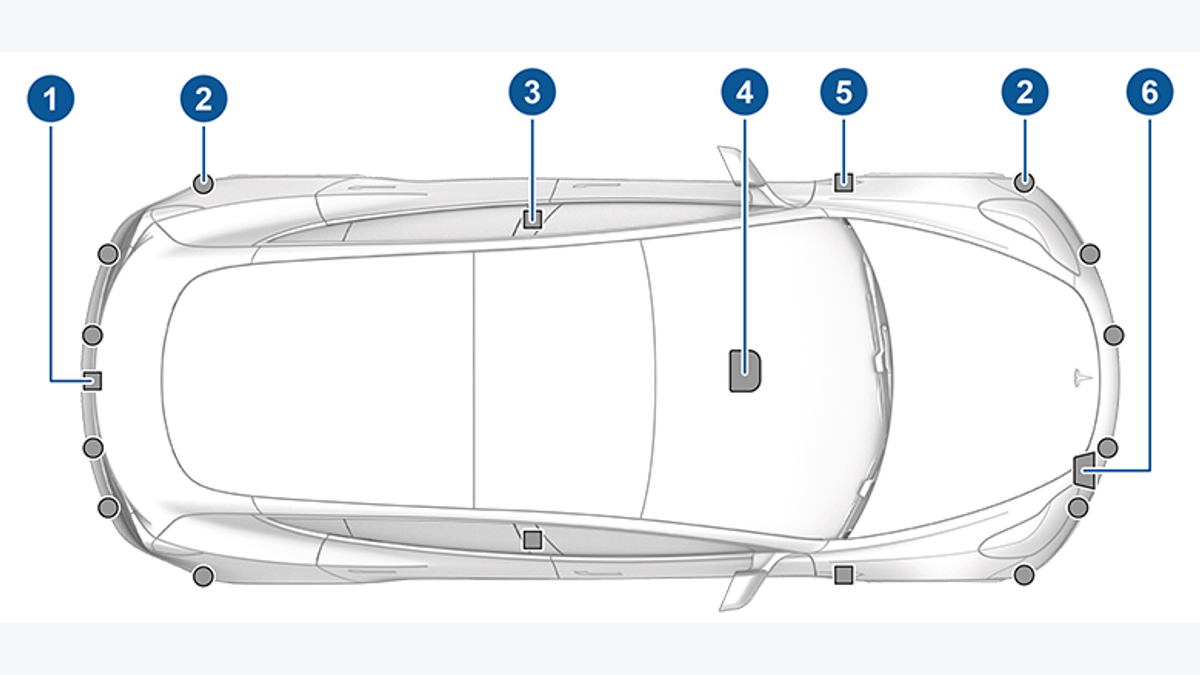
- Tesla Model 3 Do It Yourself: Cameras — primary calibration trigger, touchscreen path, typical distance, road conditions, 100-mile threshold and camera-location diagram.
- Tesla 2024+ Model 3 Service Manual: Forward-Facing Camera — primary technician record confirming the windshield-replacement trigger and manual-driving status during calibration.
- NHTSA: Driver Assistance Technologies — independent public guidance that driver-assistance systems require an attentive, fully engaged driver.
Reporting note: Community posts were discovery-only and are not evidence for repair steps, safety performance or calibration timing. Tesla procedures and limits are identified as company guidance. The two official images are resized without generative alteration.
Update & Correction Log
October 10, 2026: Initial publication. The article distinguishes a normal calibration period from a persistent service problem and preserves Tesla's model, road-condition and distance caveats.


اترك تعليقًا
This site is protected by hCaptcha and the hCaptcha Privacy Policy and Terms of Service apply.