
Verified Brief: Neuralink Prototypes Hands-Free Speech and iPhone Calling
Verified Brief · October 29 Engineering Update
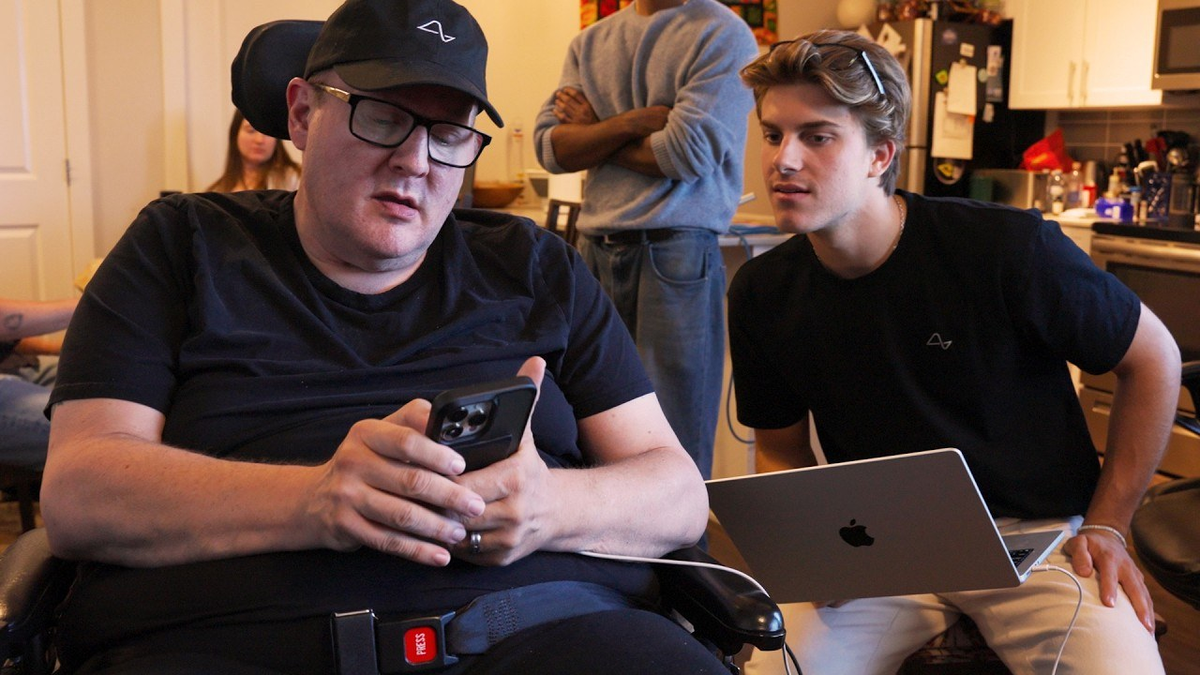
Neuralink’s VOICE study team says it spent 72 hours prototyping hands-free speech detection, a thought-triggered Grok computer agent and iPhone call integration for one participant. These are company-reported engineering demonstrations—not published clinical results, approved medical claims or generally available products.
30-Second Brief
- Neuralink published the engineering update on October 29, 2026; this fallback Verified Brief preserves that original date.
- The company says engineers spent 72 hours at one VOICE speech-restoration study participant’s home, rapidly building and testing communication features.
- Neuralink showed automatic detection of intended speech, real-time neural-signal visualizations, a thought-triggered Grok agent prototype, Bloom mobile-app changes and iPhone call integration.
- The public material does not provide a controlled comparison, participant-wide result, final accuracy measure or evidence that the prototypes are generally available.
- Neuralink states that its devices are investigational and have not been approved by the FDA or other regulatory authorities.
What Happened
Neuralink turned a three-day visit into a rapid engineering test with a participant in its VOICE speech-restoration study. The company’s stated goal was to prototype many possible communication improvements, then put each one in front of the person expected to use it.
The update sits inside the verified 72-hour fallback pool. It is timely and directly documented, but it is not framed as a clinical endpoint or a new commercial release. Tesstudio therefore treats each feature as a company-reported prototype and keeps the regulatory disclaimer prominent.
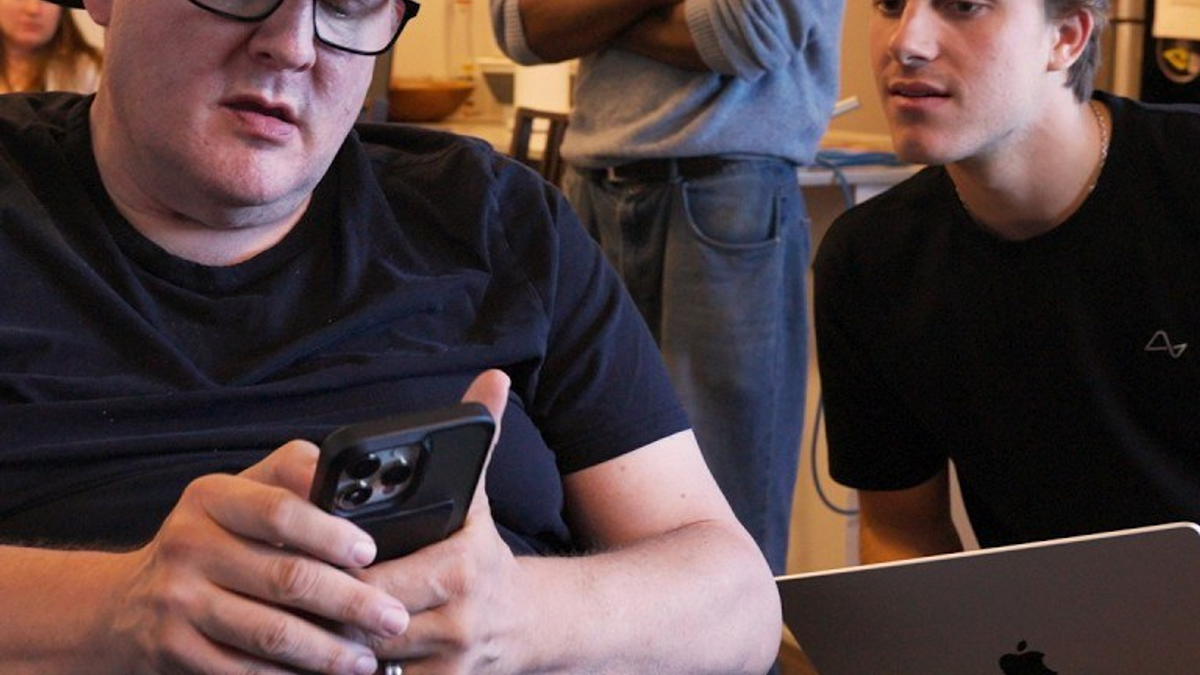
What Is Confirmed
- Automatic speech detection: Neuralink says it built a system intended to start and stop decoding without requiring a manual button press.
- Real-time feedback: the company showed visualizations intended to help identify imagined actions associated with stronger detected neural activity.
- Grok prototype: Neuralink says a participant could think the phrase “Hey Neuralink” with a task to trigger a Grok agent on a computer.
- Bloom mobile work: the team described an iOS keyboard, editing flow and lock-screen access for its speech interface.
- Phone calls: Neuralink says Bloom-generated speech was routed into an iPhone call’s microphone stream, with an optional assistive-device greeting.
- Official video: Neuralink published an engineering sprint video alongside the written update.
What Remains Unconfirmed
The update does not establish how well each prototype performs across participants or over time. It supplies no controlled benchmark for the 72-hour work, no final word-error rate for the demonstrated interfaces, no adverse-event analysis and no evidence that the features are ready for routine clinical or consumer use.
The public clips concern one voluntary trial participant. Neuralink explicitly says such experiences may not reflect other participants or future outcomes. Independent reporting can confirm what the company showed, but it does not independently validate medical effectiveness.
Why It Matters
The practical value of a speech brain-computer interface depends on more than decoding accuracy. Starting a conversation without pressing a button, sending speech into a normal phone call and correcting text inside familiar apps are workflow problems that can determine whether a research system is usable in daily life.
The sprint also shows Neuralink connecting its BCI work with a general computer agent. That makes the distinction between a prototype interaction and a validated capability especially important: a demo can identify a promising direction without proving reliability, safety or regulatory readiness.
What Tesla Owners Should Know
- Separate the companies. This Neuralink research update does not announce a Tesla vehicle, app or FSD feature.
- Treat performance as company-reported. The published material describes a participant demonstration, not a peer-reviewed result for the sprint.
- Keep the regulatory status clear. Neuralink says the devices are investigational and not approved by the FDA or other regulators.
- Watch for measured follow-up. Useful next evidence would include participant counts, task definitions, accuracy, latency, durability and safety reporting.
- Do not infer general availability. A working prototype inside a clinical study is not a consumer product launch.
Tesstudio Analysis
This Verified Brief scores 77.5. Source authority, timeliness and visual evidence are strong because Neuralink published a dated page, an official thread and an event-specific video. Owner impact and clinical confidence remain lower because the work concerns one participant, the features are prototypes and the update does not report a study-wide endpoint.
The most useful conclusion is narrow: Neuralink demonstrated an attempt to move speech BCI from a laboratory interaction toward normal phone and app workflows. The next threshold is measured, repeatable evidence—not more feature labels.
Related Tesla News Resources
Follow the Tesstudio Tesla News hub for verified Neuralink and Musk-company updates. No Related Gear module is included because this clinical-research prototype has no relevant vehicle-accessory match.
Sources & Reporting Notes
- Neuralink: A 72-Hour Engineering Sprint for Translating Thought to Speech — primary company update dated October 29, 2026.
- Public mirror of Neuralink’s October 29 feature thread — preserves the company’s feature descriptions and investigational-device disclaimer without using the X API.
- Neuralink: An Engineering Sprint for Speech Restoration — official event-specific video.
- CyborgsLife: Neuralink 72-hour VOICE sprint capsule — independent summary that separates the demonstration from a published trial result.
Reporting note: This fallback Verified Brief was published on November 1, 2026 in America/Los_Angeles and preserves the October 29 event date. Neuralink’s prototype and participant claims are attributed. Both visuals are transformations of one event-relevant official Neuralink image.
Update & Correction Log
November 1, 2026: Initial fallback publication. The article distinguishes company-reported prototypes from clinical results, regulatory approval and general availability.


اترك تعليقًا
This site is protected by hCaptcha and the hCaptcha Privacy Policy and Terms of Service apply.